
Many local homeowners begin at Plant Nursery in Jupiter to pick a few hardy plants. They bring those plants home and the patio changes fast. A small number of smart choices makes a big difference.
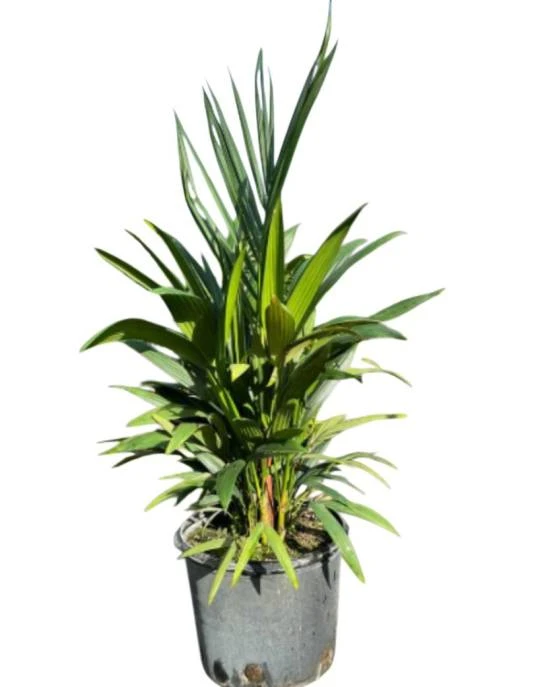
Patios are where people relax. They are also the easiest outdoor rooms to dress up. With plants, a patio can feel private, cool, and fresh without much work.
This article explains why patios are so popular, which plants work best, and how to set up a patio that looks great and stays easy to care for.
Why patios beat other outdoor spots
Patios sit close to the house. That means you can check plants without a trip across the yard. It also means you can use your indoor tools and supplies. For busy people, that makes care simpler.
Patios usually get good light and air flow. That helps many plants grow fast. The shelter of an overhang or wall also protects plants from strong wind. You get the best of both worlds: sun and shelter.
Finally, patios are seen and used every day. You walk past them, sit on them, and host guests there. Adding plants makes that space feel warm and lived in. It changes the way you use your home.
What makes a patio plant haven work
A good patio plan starts with light. Look at where the sun hits during the day. Some spots get full sun. Others stay in shade most of the time. Match plants to those spots and they will thrive.
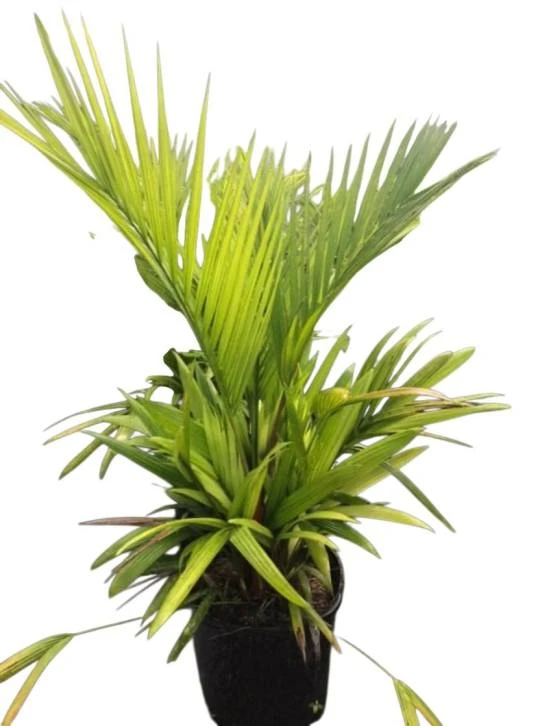
Next, think about size and scale. A large palm can fill a corner and make shade. Small pots can sit on tables and shelves. Mix sizes to avoid a flat look. Layering creates depth without clutter.
Also plan for care. If you travel a lot, pick low-care plants. If you enjoy time outside, choose plants that reward daily attention. A clear care plan keeps the patio healthy and calm.
Best plants for sunny patios
Sun-loving plants shine on bright patios. They take heat and strong light. These picks work well in most warm climates.
- Succulents and agaves — low water needs, bold shapes.
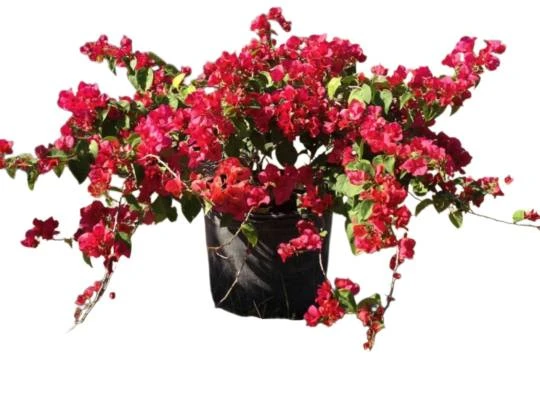
- Hibiscus — bright blooms that love the sun.
- Bird of paradise — dramatic leaves and strong growth.
Sun plants need good drainage and regular checks. In pots, use a mix that drains well. In ground beds, add organic material so roots stay healthy.
Best plants for shady or covered patios
Not all patios get bright sun. Many have shade from the roof or nearby trees. The right shade plants still add lush color and texture.
- Ferns — soft leaves that handle shade and humidity.
- Caladiums — colorful leaves that brighten dark spots.
- Philodendron — good on shelves and hanging baskets.
Shade plants need less water and less direct sun. Still, they like a steady routine and clean leaves. Wipe leaves every few weeks so they can breathe and stay bright.
Layout and design tips that look good
Start with a focal point. A palm, a small tree, or a pot cluster can anchor the space. Place that item where people will see it first, like near the door or seating area.
Use levels to add interest. Put tall plants in the back, medium ones in the middle, and low pots in front. Hanging pots free up floor space and add a vertical layer.
Keep a simple color scheme for pots and furniture. Too many colors distract. A quiet palette lets the plants stand out and the space feel calm.
Easy care routines that save time
Set a short weekly routine and stick to it. Check soil, water when needed, and sweep fallen leaves. A 10–15 minute weekly task keeps the patio neat.
Use drip lines or soaker hoses if you have many pots. These tools save time and give plants steady water. Timers make care hands-off for busy weeks.
Fertilize lightly during the growing season. A small dose once a month keeps growth steady. Avoid overfeeding; that can lead to weak stems and pests.
Small-patio hacks and container ideas
You do not need lots of space to make a lush patio. Use shelves, rail planters, and hanging baskets to add green without crowding.
Group pots in odd numbers — three or five — for a natural look. Mix textures: glossy leaves, thin grass-like leaves, and bold succulents. That mix reads as planned, not messy.
Move pots on wheels if you need flexibility. This lets you chase light or clear space for guests. Portable planters are a simple upgrade that makes a big difference.
Pests, storms, and local challenges
Watch for small pests like aphids and scale. Catch problems early by checking leaves and stems. A spray of water or mild soap often fixes minor issues.
Plan for storms. Move small pots inside or place them where wind won’t topple them. Secure tall pots and stake young trees. A small prep step before heavy weather saves time and loss.
Know your microclimate. Patios on the north side of a house will feel different than those on the south side. Local nurseries can tell you what plants handle your exact spot.
Where to buy and when to ask for help
Local nurseries and plant shops offer plants that are right for the area. Staff can point out which types will handle sun, salt, or wind near you.
Ask for care tips at purchase. A simple note on watering and sun needs helps you avoid common mistakes. Many shops also offer potting or delivery services if you need setup help.
Online groups and local plant clubs are good for quick hacks. Neighbors often trade tips about what works on similar patios. That real-world advice speeds up learning.
Final steps to build your patio haven
Start with three plants: one tall, one medium, and one small. Place the tall plant in a corner, the medium near seating, and the small on a table or step. See how they look and grow for a month.
Keep care simple. Water on a set day, check for pests, and wipe leaves now and then. A short routine keeps plants healthy without stress.
Add more plants as you learn what works. Over time, your patio will feel like a calm room outside the house — a place to relax and enjoy the view.




























Sign in to leave a comment.