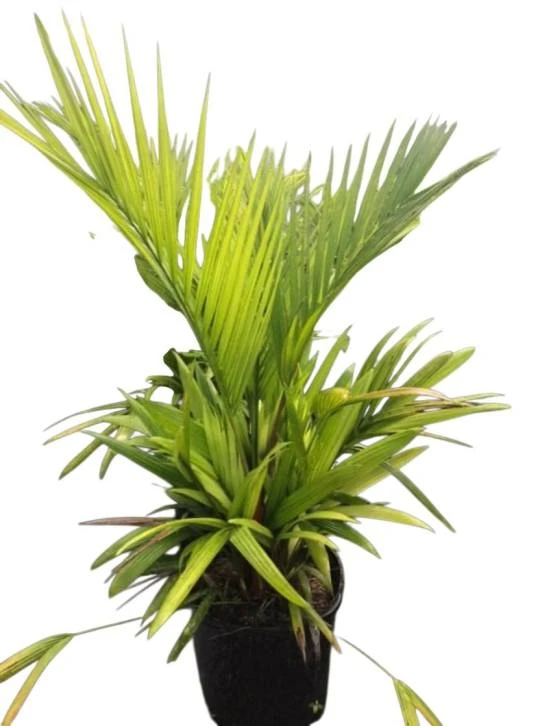
Keeping a garden healthy in South Florida is not as simple as picking what looks good at the store. The climate in Wellington brings strong sun, heavy rains, humidity, and occasional cold snaps. Plants that thrive here need to handle all of it without constant replacement.
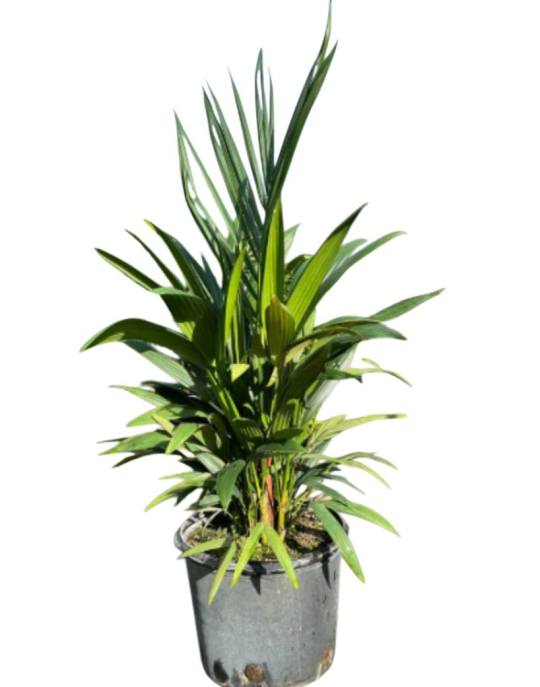
That’s why many homeowners turn to a trusted Plant Nursery in Wellington to find varieties that are proven to grow well year round. These nurseries don’t just sell plants—they guide you toward options that match your soil, sunlight, and maintenance level.
This guide breaks down where residents go, what they look for, and how they keep their landscapes thriving all year long.
Understanding Wellington’s Growing Conditions
Climate Factors That Affect Plant Growth
Wellington sits in a tropical-to-subtropical zone, which creates both opportunity and risk for your garden.
Key factors include:
- High humidity that can encourage fungal diseases
- Strong UV exposure that can burn sensitive plants
- Seasonal heavy rain that affects drainage
- Mild winters with occasional temperature dips
Plants that survive here are typically heat-tolerant, pest-resistant, and able to handle inconsistent watering conditions.
Soil and Drainage Considerations
Many properties in this area have sandy soil. While it drains well, it doesn’t hold nutrients.
That means:
- You may need soil amendments like compost
- Slow-release fertilizers work better than quick fixes
- Raised beds can improve plant stability
Local nurseries often tailor recommendations based on these exact conditions, which is something big-box stores rarely do well.
Local Nurseries That Know What Works
Why Residents Trust Specialized Nurseries
Experienced gardeners don’t gamble with random plant choices. They rely on nurseries that understand local conditions.
Here’s why:
- Staff provide region-specific advice, not generic tips
- Plants are often locally grown or acclimated
- Inventory focuses on proven performers, not trends
This reduces plant loss and saves money over time.
What Sets a Quality Nursery Apart
Not every nursery delivers the same value. The best ones stand out in a few clear ways:
- Clear labeling of sun/shade requirements
- Honest guidance on maintenance levels
- Healthy root systems—not just attractive foliage
- Availability of native and drought-tolerant plants
If a nursery pushes high-maintenance plants without asking about your setup, that’s a red flag.
Plants That Perform Well All Year
Reliable Outdoor Plants
If your goal is a yard that looks good without constant replanting, focus on durable species.
Popular choices in Wellington include:
- Areca palms for privacy and tropical appeal
- Crotons for color that handles heat
- Hibiscus for consistent blooms
- Podocarpus for structured hedges
These plants tolerate heat, humidity, and regular trimming.
Low-Maintenance Options for Busy Homeowners
Not everyone has time for daily care. Fortunately, many plants thrive with minimal attention.
Look for:
- Snake plants (great for indoor/outdoor transitions)
- Zamia (Cardboard palm) for drought resistance
- Coontie (a Florida native) for low upkeep
- Agave and succulents for dry areas
These options reduce watering, pruning, and pest issues.
Indoor Plants That Handle Florida Conditions
Best Picks for Interior Spaces
Indoor gardening in Wellington still deals with humidity and strong light exposure.
Top-performing indoor plants:
- Fiddle leaf fig (with controlled light)
- Monstera deliciosa for tropical aesthetics
- Peace lilies for low-light spaces
- ZZ plants for near-neglect conditions
These plants adapt well to indoor environments without constant care.
Placement and Care Tips
Even hardy plants fail when placed incorrectly.
Keep these basics in mind:
- Avoid direct afternoon sun through windows
- Rotate plants for even growth
- Watch for overwatering—common in humid climates
- Use well-draining pots to prevent root rot
Most plant issues come from care mistakes, not the plant itself.
Seasonal Strategy for Year-Round Success
How Residents Plan Their Landscapes
Smart homeowners don’t treat gardening as a one-time task. They plan for seasonal shifts.
A solid approach includes:
- Planting heat-tolerant species before summer
- Using mulch to retain moisture
- Adjusting watering schedules during rainy months
- Pruning before growth seasons
This keeps landscapes stable instead of reactive.
Avoiding Common Mistakes
Here’s where many people go wrong:
- Choosing plants based on looks alone
- Ignoring sunlight patterns in their yard
- Overwatering during humid months
- Skipping soil preparation
These mistakes lead to wasted money and constant replacements.
Why Native and Adaptive Plants Win
Benefits of Florida Native Plants
Native plants are built for this environment. They require less intervention and perform more consistently.
Advantages include:
- Better resistance to pests and disease
- Lower water requirements
- Stronger root systems
- Support for local ecosystems
Examples like coontie and firebush thrive with minimal care.
Mixing Native and Tropical Plants
You don’t have to choose one or the other. The best landscapes blend both.
A balanced yard might include:
- Native plants for structure and reliability
- Tropical plants for color and visual interest
This approach gives you durability without sacrificing design.
What Experienced Gardeners Do Differently
They Focus on Longevity, Not Trends
Trendy plants often fail in local conditions. Experienced gardeners prioritize:
- Proven plant varieties
- Long-term growth patterns
- Maintenance requirements
They build landscapes that improve over time instead of needing constant replacement.
They Build Relationships with Nurseries
Regular customers at local nurseries gain an edge.
They benefit from:
- Early access to new plant shipments
- Personalized recommendations
- Advice based on past purchases
That level of insight can’t be matched by large retail chains.
Final Thoughts on Finding the Right Plants
Wellington’s climate rewards smart choices and punishes guesswork. The difference between a thriving landscape and a struggling one often comes down to where you buy your plants and how well they match your environment.
Residents who succeed year round focus on:
- Climate-appropriate plant selection
- Soil and drainage awareness
- Consistent but simple maintenance routines
- Guidance from knowledgeable local nurseries
If you approach your garden with that mindset, you won’t just keep plants alive—you’ll build a landscape that holds up through every season without constant effort.

























Sign in to leave a comment.