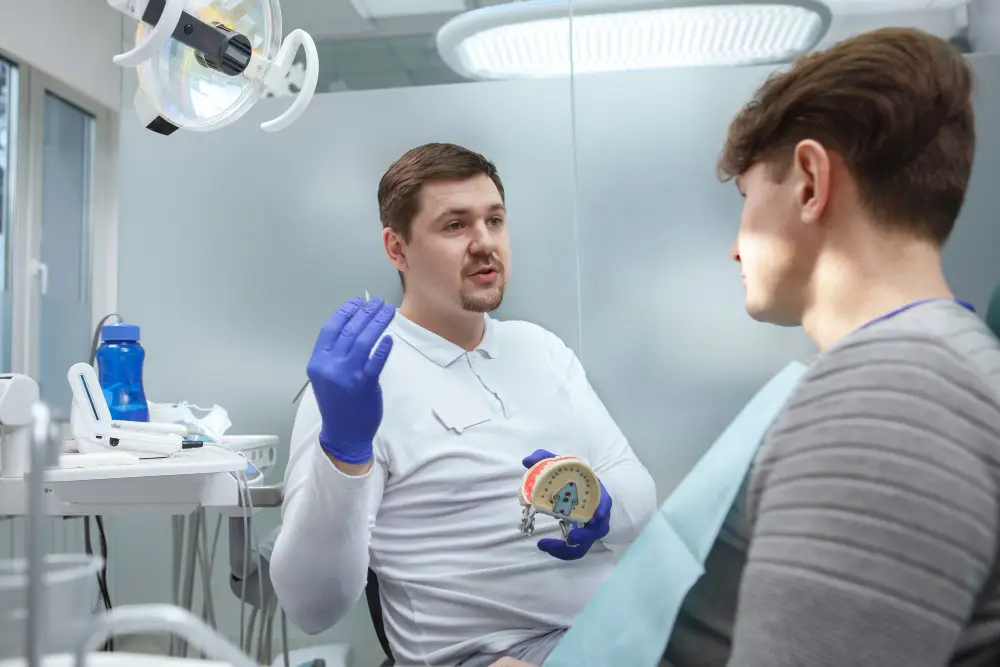

When you hear that a root canal needs to be redone, it can feel discouraging. You've already had treatment once, so why is the tooth still causing problems? Root canal retreatment is sometimes necessary, and while it has a high success rate, it may not fully resolve the issue in some cases.
Let's take a closer look at why root canal retreatment may fail and what can be done to restore your oral health.
Understanding Root Canal Retreatment
A root canal cleans and closes the canal system inside a tooth to keep it from getting infected again. Retreatment involves reopening the tooth, removing the previous filling materials, disinfecting the canals again, and carefully sealing them.
While this procedure is designed to correct lingering or recurring infection, several factors can affect the outcome.
Common Reasons Root Canal Retreatment Fails
Missed or Complex Canal Anatomy
Teeth are not always simple inside. Some have curved canals, extra branches, or hidden canals that are difficult to locate. If a canal is missed during initial treatment, bacteria may persist, leading to a persistent infection.
Even during retreatment, complex anatomy can present challenges. Advanced magnification and imaging technology play an important role in identifying these hidden spaces.
Persistent Bacterial Infection
Bacteria are incredibly resilient. In some cases, they can survive deep within microscopic tubules inside the tooth. If bacteria remain after cleaning and disinfection, infection may continue or return over time.
Patients may notice swelling, tenderness, or a recurring abscess. These symptoms signal that the tooth still needs attention.
Delayed Crown Placement or Restoration Issues
Putting a permanent crown on a tooth after a root canal helps keep it from breaking or getting infected again. If the crown is delayed or becomes loose, bacteria can reenter the canal system.
Retreatment may fail if the tooth structure is compromised or if reinfection occurs due to a breakdown in the seal.
Cracks or Fractures in the Tooth
Sometimes the issue is not within the canal system but within the tooth's structure. A vertical root fracture can allow bacteria to seep into areas that retreatment cannot fully address.
These fractures can be difficult to detect, even with advanced imaging. When present, they significantly affect long-term success.
Healing Complications
Every patient heals differently. Certain medical conditions, smoking habits, or immune system concerns can influence how well the body responds to infection and treatment.
If healing does not occur as expected, additional care may be required to resolve inflammation around the root.
Signs Your Retreatment May Not Be Working
It is important to pay attention to your body. Some common warning signs include:
- Persistent pain or pressure when biting
- Swelling in the gums near the treated tooth
- A pimple-like bump on the gum
- Tooth discoloration
- Sensitivity that does not improve
If you notice any of these symptoms, it is wise to seek evaluation promptly. Early intervention can prevent further complications.
How We Approach Retreatment at Paramus Endodontics
At Paramus Endodontics, we combine experience with modern technology to improve retreatment outcomes. Our team uses advanced imaging tools such as 3D cone beam scans to evaluate the tooth from every angle. This detailed view helps us locate hidden canals, fractures, and areas of persistent infection.
We also use high-powered microscopes for precision. Enhanced visibility allows us to thoroughly clean and disinfect even the most intricate canal systems.
Comfort is equally important to us. Many patients arrive feeling anxious about another procedure. We take time to listen, explain each step clearly, and create a calm environment where you feel supported.
When Surgery May Be Recommended
In some situations, retreatment alone cannot resolve the issue. An apicoectomy, a little surgery that takes out the tip of the root and any contaminated tissue around it, may be recommended.
This targeted approach can eliminate infection while preserving your natural tooth. We will talk about all of your options freely during your appointment so that you may make an informed choice.
The Importance of Specialized Care
Endodontics is a highly focused field of dentistry. Retreatments can be complex and require specialized training and tools. Choosing a practice dedicated to endodontic care can significantly improve your chances of success.
At Paramus Endodontics, we focus exclusively on diagnosing and treating issues within the tooth's inner structures. Our experience allows us to handle challenging cases with precision and care.
Paramus Endodontics, Compassionate Care Close to Home
We understand how frustrating it can feel when dental treatment does not go as planned. Our team is committed to restoring both your oral health and your peace of mind. We work with you to build a treatment plan that fits your needs from the very first visit.
Our practice in Paramus is designed with patient comfort in mind. We value clear communication, gentle techniques, and a welcoming atmosphere. Every patient who walks through our doors is treated like family.
Conclusion
If you are experiencing ongoing discomfort after a root canal or have been told you need retreatment, we are here to help. At Paramus Endodontics, we combine skill, technology, and genuine compassion to give your tooth the best possible chance for healing.
Call us today to schedule your consultation and let us help you move forward with confidence and comfort. Your smile deserves expert care, and we are ready to provide it.


























Sign in to leave a comment.