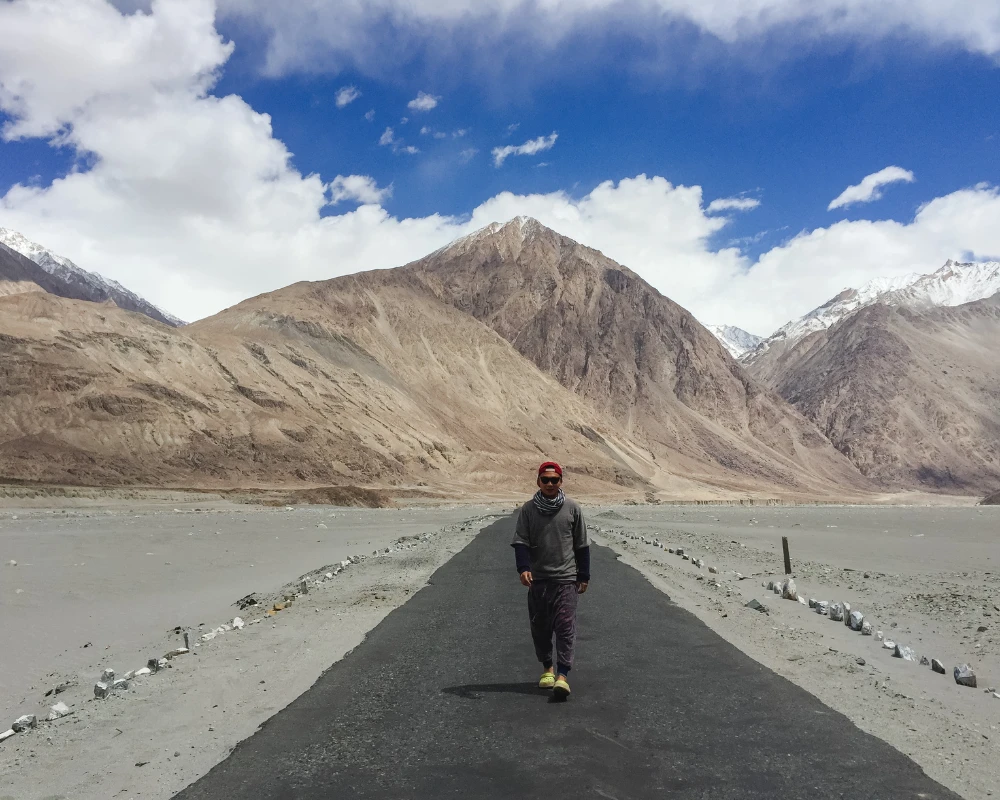

The mighty Himalayas are a treasure trove of trekking trails that cater to all kinds of adventurers — from serene meadow walks to adrenaline-pumping high-altitude expeditions. Among the numerous treks in Himachal Pradesh, the Sar Pass Trek holds a special place in the hearts of trekkers. Blessed with an unbeatable mix of natural beauty, snow-covered paths, diverse landscapes, and cultural richness, Sar Pass offers a complete Himalayan experience, especially for beginners and nature lovers. This article delves into the various factors that make Sar Pass Trek truly stand out among the other popular trekking trails in the state.
A Gateway for Beginners Without Compromising on Beauty
Unlike many high-altitude treks that demand significant trekking experience and high levels of fitness, the Sar Pass Trek welcomes beginners. Standing tall at 13,850 feet, it offers a moderate challenge with enormous rewards. Trekkers walk through dense pine forests, quaint Himalayan villages, vibrant meadows, and snowy stretches, giving them a wholesome experience of what trekking in the Himalayas can offer.
The beauty of Sar Pass lies in its balance — it is accessible, yet it doesn’t feel underwhelming. Beginners get a taste of snow trekking, scenic landscapes, and adventurous ascents without needing advanced mountaineering skills.
Rich Diversity of Terrain and Landscapes
One of the major attractions of the Sar Pass Trek is the incredible diversity of landscapes packed into just a few days of trekking. From the bustling village of Kasol in the Parvati Valley to serene pine woods, from flower-filled meadows in Grahan to snow-covered trails beyond Nagaru — this trek is like experiencing all seasons and terrains in a week.
Each day on the trail offers a fresh perspective and a different ambiance. One day you're walking alongside a gushing river, and the next you're on a ridge looking at majestic snow peaks. This constant change keeps the excitement alive and makes it one of the most visually fulfilling treks in Himachal.
Serene Start from Kasol — A Hippie Haven
The base camp of Sar Pass, Kasol, is itself a highlight. Known as the “Mini Israel of India,” Kasol has transformed into a popular tourist destination, attracting trekkers, backpackers, and artists alike. It sits along the Parvati River and offers a chill vibe, cozy cafes, and a rich cultural blend.
Starting a trek from such a vibrant location makes the whole journey more enriching. Trekkers often spend a day or two exploring the cafes, nature trails, and even taking short walks to nearby villages like Chalal before heading toward the actual trekking route.
Snow Adventure in Spring and Early Summer
The Sar Pass Trek is among the few trails in Himachal Pradesh that allows you to experience snow in the months of April, May, and early June. While other trails might open up later due to heavy snow, Sar Pass is accessible comparatively earlier, and this makes it a top choice for those who want to enjoy snow trekking without waiting for mid-summer.
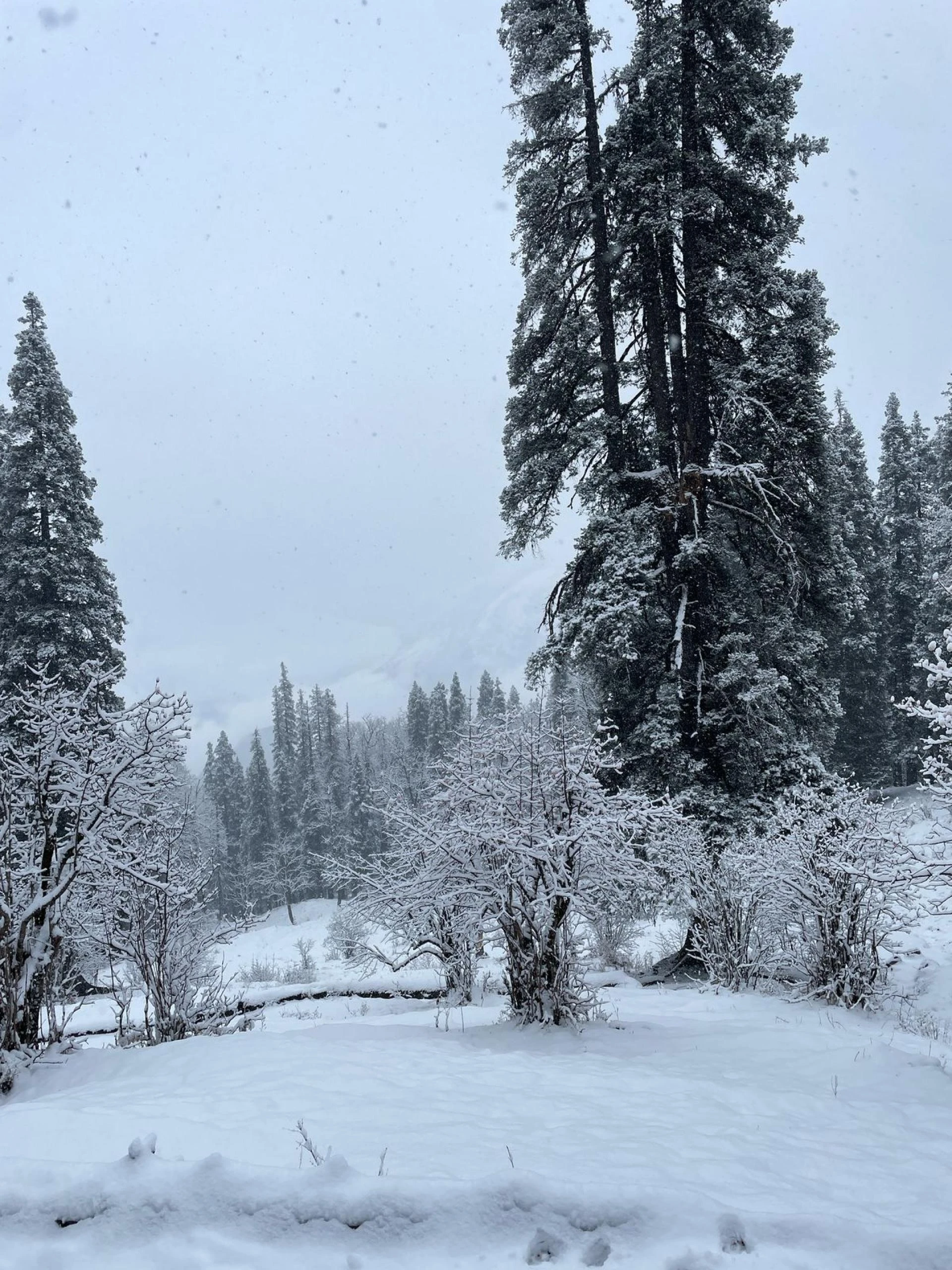
Crossing the Sar Pass involves gliding over snowy slopes, often requiring microspikes and proper winter gear. This sense of adventure adds a new thrill, especially for first-time snow trekkers. The panoramic view of snow-covered peaks from the pass is simply unforgettable.
The Picturesque Campsites
Trekking is not just about walking but also about where you pause, relax, and sleep under the stars. Sar Pass boasts of some of the most stunning campsites among all treks in Himachal Pradesh. The trail moves through campsites like Grahan, Min Thach, Nagaru, and Biskeri Thach, each offering mesmerizing views and peaceful surroundings.
- Grahan: A beautiful village with traditional wooden houses, set amidst thick forests.
- Min Thach: An open meadow with 360-degree mountain views and a thick tree line.
- Nagaru: Perched at a high altitude, this campsite offers starry nights and chilly winds.
- Biskeri Thach: Known for its lush greenery and colorful flowers, this is one of the most scenic spots to rest after the pass crossing.
Camping at these spots gives you a close connection with nature and enhances the overall trekking experience.
A Glimpse into the Local Himachali Culture
While most high-altitude treks are dominated by raw wilderness, the Sar Pass route includes charming Himalayan villages that give trekkers a chance to experience the Himachali lifestyle. Villages like Grahan offer a peek into traditional mountain living — wooden homes, warm smiles, handmade woollens, and organic farming.
Trekkers often engage in friendly conversations with locals, learn about their customs, and sometimes even enjoy local cuisine. This cultural exposure makes the trek more personal and grounded.
Well-Defined Trail and Safety
The trail to Sar Pass is clearly marked and well-maintained, especially since it is organized by several adventure groups including YHAI (Youth Hostels Association of India). The presence of a defined route, experienced guides, and proper base camps at intervals makes this trek safer and more structured — a big plus point for first-timers.
Moreover, medical help, emergency protocols, and weather tracking are more accessible here compared to remote, uncharted treks. This organized aspect adds an extra layer of comfort without compromising the adventure.
Perfect for Group and Solo Trekkers Alike
Whether you're a solo adventurer or someone looking for a group experience, Sar Pass caters to both. Thanks to its popularity, there are many groups conducting the trek, which makes it easy for solo travelers to find companions. At the same time, the trail is secure enough for confident individuals who prefer solo trekking.
Additionally, the camaraderie that develops over campfires and steep climbs often leads to long-term friendships and cherished memories.
Sar Pass Trek Itinerary – A Well-Paced Journey
A big reason for Sar Pass’s popularity is its well-paced itinerary, which gradually builds up in terms of difficulty and altitude. Here's a typical 5 to 6-day itinerary:
Day 1: Kasol to Grahan Village (4-5 hours)
A moderate start with forest trails and occasional views of the Parvati River. The trail is well-marked and offers gentle ascents.
Day 2: Grahan to Min Thach (5 hours)
You leave the tree line and enter a mixed terrain of meadows and rocky paths. The mountains begin to loom closer.
Day 3: Min Thach to Nagaru (4-5 hours)
A steep ascent through snow patches and higher ridges. This day brings you closer to the high-altitude experience.
Day 4: Nagaru to Biskeri Thach via Sar Pass (6-8 hours)
The summit day! An early morning start takes you over snowfields to the pass and then a thrilling descent to Biskeri Thach.
Day 5: Biskeri Thach to Barshaini (exit point near Kasol)
A beautiful trek down through meadows and forest trails to reach civilization again.
This Sar Pass Trek itinerary is designed to allow for acclimatization and avoid exertion, making it ideal for both beginners and intermediate trekkers.
Budget-Friendly and Easily Accessible
Unlike many other high-altitude treks that require expensive permits, long travel to remote regions, or professional gear, Sar Pass is relatively budget-friendly. It starts from Kasol, which is accessible via road from Delhi and Chandigarh, and doesn’t involve hefty travel costs.
Many trekking companies offer packages that include accommodation, food, guide, and equipment — making it a value-for-money adventure.
Breathtaking Views of the Parvati Valley
Sar Pass offers panoramic views of the Parvati Valley, known for its spiritual charm, natural beauty, and mythological connections. From the top of the pass, you can witness a grand vista of snow-clad peaks, sun-kissed ridges, and rolling clouds — a visual that’s hard to match.
Whether it’s the golden glow at sunrise or the pink hue at dusk, every moment is a photographer’s delight and a memory etched forever.
Wildlife and Flora
The region is part of the larger Great Himalayan National Park ecosystem, and while trekking, one might spot Himalayan monals, pheasants, or even bear footprints in the snow (at a safe distance, of course!). The flora changes with altitude — from pine and deodar trees to rhododendrons and alpine herbs.
The changing colors, chirping birds, and untouched forests give Sar Pass a refreshing ecological depth.
Post-Trek Relaxation and Exploration Options
After the challenging yet rewarding trek, trekkers can unwind in Kasol or nearby destinations like Manikaran (famous for its hot springs and spiritual vibe), Tosh, or even explore the scenic hamlet of Malana.
These post-trek explorations add to the overall journey, making Sar Pass not just a trek but a multi-faceted travel experience.
Conclusion: Sar Pass — More Than Just a Trek
The Sar Pass Trek isn’t just about reaching a summit; it’s about the journey through changing landscapes, forming bonds, challenging yourself, and experiencing the magic of the Himalayas in one compact package. While other treks may boast higher altitudes or longer durations, few can match the sheer variety and accessibility that Sar Pass offers.
For those seeking an unforgettable Himalayan adventure that doesn’t demand elite fitness but still delivers grandeur and thrill, Sar Pass Trek is the perfect choice. Its well-structured itinerary, stunning views, and beginner-friendly profile make it a standout among all treks in Himachal Pradesh.





















Sign in to leave a comment.