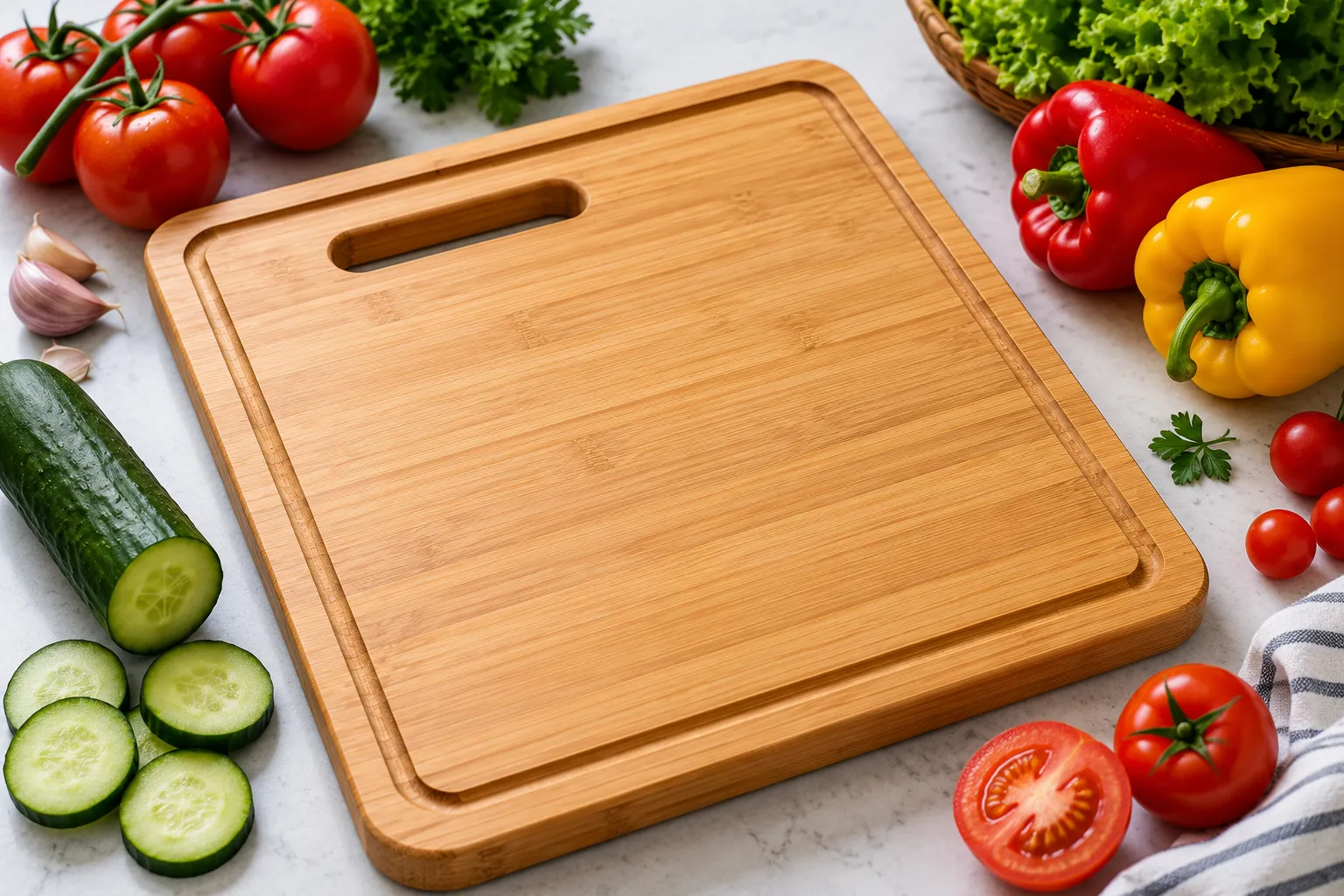

A cutting board is one of the busiest tools in any kitchen, making proper cleaning an essential part of safe food preparation. Every time you slice vegetables, cut fruit, or prepare raw meat, small food particles and bacteria can remain on the board's surface. If not cleaned properly, these contaminants may transfer to other foods and increase the risk of cross-contamination. Maintaining a clean Cutting Board for Kitchen use helps protect your family's health while keeping your kitchen hygienic and organized.
Developing a consistent cleaning routine not only supports food safety but also extends the life and performance of your cutting board.
Prevent Cross-Contamination
Using the same cutting board for different foods without cleaning it can spread harmful bacteria.
Cleaning after every use helps:
- Reduce bacterial growth
- Prevent cross-contamination
- Keep raw and cooked foods separate
- Improve kitchen hygiene
- Support safer meal preparation
Simple habits can make a big difference in food safety.
Remove Food Residue Immediately
Tiny food particles can remain trapped in knife marks even after food preparation is finished.
Proper cleaning removes:
- Meat juices
- Vegetable residue
- Fruit sugars
- Oils and grease
- Unpleasant odors
Removing residue helps keep your cutting board fresh and sanitary.
Follow Simple Cutting Board Cleaning Tips
Practicing proper Cutting board cleaning tips helps maintain both cleanliness and durability. Wash your cutting board with warm water and mild dish soap after every use, sanitize it regularly, and allow it to dry completely before storing. Avoid soaking wooden boards for extended periods, as excess moisture can damage the material over time.
Routine care helps your cutting board remain safe for daily use.
Sanitize Your Cutting Board Regularly
Daily washing removes debris, but sanitizing provides additional protection.
You can sanitize by:
- Using food-safe sanitizers
- Applying diluted white vinegar
- Using a mild bleach solution according to safety instructions
Always rinse thoroughly after sanitizing.
Store It Correctly
Proper storage prevents moisture buildup and bacterial growth.
For best results:
- Dry the board immediately
- Store upright whenever possible
- Keep it in a dry, ventilated area
- Avoid leaving it in standing water
Good storage habits extend the board's lifespan.
Replace Worn Cutting Boards
Over time, deep grooves and cracks may become difficult to clean.
Replace your cutting board if you notice:
- Deep knife cuts
- Cracks
- Warping
- Loose or damaged surfaces
A smooth surface is easier to clean and safer for food preparation.
Clean vs. Dirty Cutting Board
| Clean Cutting Board | Dirty Cutting Board |
| Safer food preparation | Higher contamination risk |
| Reduced bacteria | Bacteria buildup |
| Longer product lifespan | Faster wear and damage |
| Fresh odor | Lingering food smells |
| Better kitchen hygiene | Increased cross-contamination |
Frequently Asked Questions
Why should I clean my cutting board after every use?
Cleaning removes food particles and bacteria that can cause cross-contamination and foodborne illness.
How often should I sanitize a cutting board?
Sanitize your cutting board regularly, especially after preparing raw meat, poultry, or seafood.
Can bacteria stay on a cutting board?
Yes. Without proper cleaning, bacteria can remain on the surface and transfer to other foods.
When should I replace my cutting board?
Replace it if it develops deep grooves, cracks, or damage that cannot be cleaned effectively.
Conclusion
Cleaning your cutting board after every food preparation is one of the easiest ways to improve kitchen hygiene and food safety. Washing, sanitizing, drying, and following proper Cutting board cleaning tips help prevent cross-contamination while extending the life of your Cutting Board for Kitchen use. With a few simple maintenance habits, you can keep your kitchen cleaner and every meal safer.
Upgrade your kitchen with a durable cutting board that's easy to clean and built for everyday food preparation.






























Sign in to leave a comment.