

Singing is one of the most accessible ways to enjoy music. You do not need a stage, expensive equipment or years of experience to begin. Whether you sing quietly at home, enjoy performing with friends or have always wondered whether your voice could become stronger, learning with the right guidance can make a noticeable difference.
For many people, singing lessons in Cambridge offer an opportunity to develop vocal ability while also gaining confidence, improving musical understanding and discovering a more expressive side of themselves. The process is not simply about reaching higher notes. It involves learning how the voice works, understanding musical phrasing and becoming comfortable using your natural sound.
Why Learning to Sing Is About More Than Hitting the Right Notes
A common misconception is that good singers are simply born with naturally impressive voices. In reality, singing involves a collection of skills that can be developed with practice and suitable instruction.
Breathing, posture, pitch, rhythm, articulation and vocal control all influence how confidently a person sings. A learner may already have a pleasant natural voice but lack the technique needed to use it effectively. Conversely, someone who considers themselves a complete beginner can make meaningful progress by learning good habits from the beginning.
This is why singing lessons in Cambridge can be useful for people at very different stages. A beginner may need help finding accurate pitch, while a more experienced vocalist might want to improve breath management, tone or performance technique.
The important point is that progress should be measured against the individual's starting point rather than someone else's ability.
Building Confidence Through Regular Practice
Confidence is often one of the biggest changes people notice when they commit to learning music. Singing requires a person to be heard, which can initially feel uncomfortable, particularly for someone who has spent years avoiding attention.
A supportive learning environment can make that process much easier. Rather than expecting perfection immediately, effective teaching breaks larger goals into manageable steps. A learner might begin with simple breathing exercises, scales and familiar songs before gradually moving towards more challenging material.
Regular practice also helps reduce uncertainty. When you understand how to approach a difficult passage or recover from a missed note, performing becomes less intimidating.
At Chorus Music Therapy & Education, the learning experience can be approached with consideration for the individual rather than treating every student as though they have identical goals. This type of personalised approach can be particularly valuable for learners who feel nervous about singing in front of others.
What Can You Learn During Vocal Training?
A well-rounded programme can cover considerably more than basic vocal exercises. Students may explore several areas depending on their experience and ambitions.
Breath Control
Breathing provides the foundation for controlled singing. Learning to breathe efficiently can help singers sustain phrases and avoid unnecessary tension.
Pitch and Musical Accuracy
Pitch develops through listening, repetition and practical exercises. Students can learn to recognise when notes are accurate and understand how melodies move.
Vocal Expression
Technical accuracy is only one part of singing. Expression gives a song personality. Learners can explore dynamics, phrasing, articulation and interpretation to communicate the meaning of a piece.
Performance Skills
Those interested in performing may also benefit from learning how to manage nerves, use a microphone, stand comfortably and connect with an audience.
These areas demonstrate why singing lessons in Cambridge can be valuable for both aspiring performers and people who simply want to become more comfortable with their voice.
Choosing the Right Lesson Environment
Finding a suitable teacher or learning environment is an important part of the process. A technically knowledgeable instructor is valuable, but so is someone who can communicate clearly and adapt teaching to different learners.
Before choosing lessons, consider what you actually want to achieve. Are you learning for enjoyment, preparing for an audition, developing confidence, working towards an examination or simply exploring a long-standing interest?
Your answer can help determine the type of teaching that will suit you.
It is also worth asking how lessons are structured. Some learners prefer a clear technical programme, while others respond better when exercises are connected to songs they genuinely enjoy. A combination of structured development and personal interests can make practice feel purposeful rather than repetitive.
Making Practice Part of Everyday Life
Improvement does not happen solely during a lesson. Consistent practice between sessions gives learners an opportunity to reinforce new techniques and identify areas that need attention.
However, practice does not necessarily mean spending hours every day. Short, focused sessions can be more useful than occasional lengthy rehearsals. Ten or fifteen minutes spent carefully working on breathing, pitch or a challenging section of a song can be productive when approached consistently.
Recording yourself can also provide useful feedback. Listening back may reveal details that are difficult to notice while singing, such as inconsistent volume, rushed phrasing or pitch changes.
The key is to treat mistakes as information rather than failure. Every singer has areas that need improvement, and identifying them is part of becoming more skilled.
Singing for Different Ages and Abilities
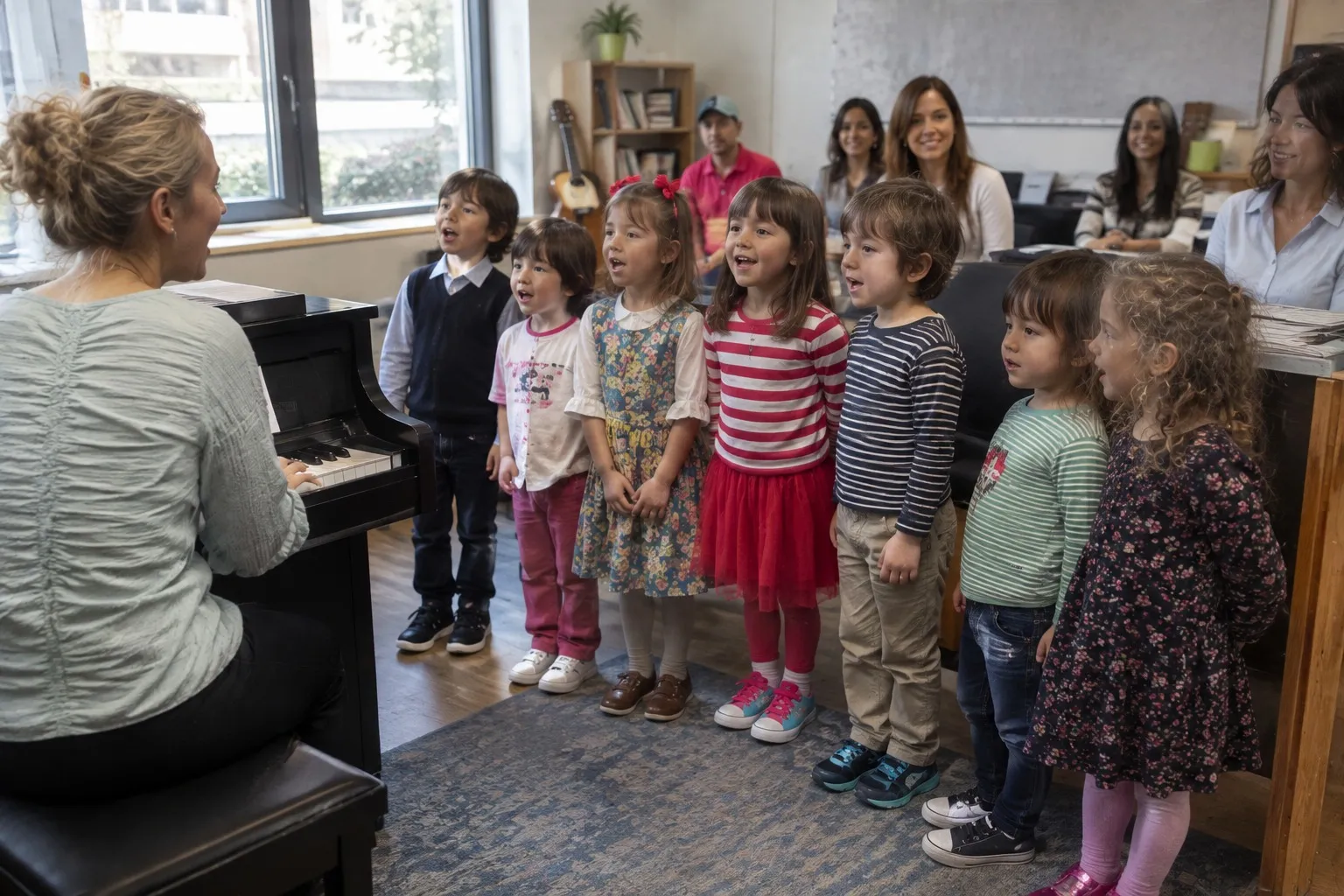
There is no single age at which someone should begin learning. Children may enjoy discovering music through playful activities, while teenagers might use singing as a creative outlet or prepare for performances. Adults may return to an old passion or finally decide to explore something they have always wanted to try.
Experienced teaching should recognise these differences. A child's lesson will naturally require a different approach from an adult preparing for an audition. Similarly, a confident performer may need more advanced technical challenges than someone attending their first lesson.
This flexibility is one reason Chorus Music Therapy & Education takes an individual-focused approach to musical learning. Understanding a student's needs, interests and confidence level can help make each session more meaningful.
The Wider Benefits of Making Music
Singing can also become an important part of a person's wider wellbeing. Musical activities provide opportunities for creativity, concentration and emotional expression. Learning a song can offer a sense of achievement, while singing with others can create connection and shared enjoyment.
It is important not to overstate these benefits. Singing is not a replacement for professional healthcare or psychological support where those services are needed. However, as a creative activity, it can be a positive addition to everyday life.
For some learners, the greatest benefit may simply be having dedicated time each week to do something enjoyable.
Finding the Right Starting Point
If you are considering singing lessons in Cambridge, start by thinking about your personal objectives rather than worrying about whether you are already good enough.
You do not need a perfect voice to begin. You need curiosity, willingness to practise and a learning environment where questions are welcomed. The right guidance can help you understand your voice, identify realistic goals and gradually develop greater control.
It can also be helpful to choose songs that genuinely interest you. Familiar music gives beginners something enjoyable to work towards and can make technical exercises feel more relevant.
A Journey That Develops Over Time
Learning to sing is not about reaching a final destination. Voices continue to develop as technique, musical understanding and confidence grow.
Some students may eventually perform publicly, while others may remain happy singing for themselves, friends or family. Both outcomes are equally worthwhile. The value of musical education lies partly in giving people the freedom to decide what they want to do with the skills they develop.
With patient instruction, thoughtful practice and realistic expectations, singing lessons in Cambridge can become much more than a weekly activity. They can provide a structured way to explore music, strengthen confidence and develop a deeper understanding of your own voice.
For anyone considering taking that first step, Chorus Music Therapy & Education provides an example of how vocal learning can be approached with both musical development and the individual learner in mind. The most important thing is to begin at a level that feels comfortable, remain open to learning and allow progress to happen naturally.
A voice does not have to be perfect to be worth developing. Sometimes, all it needs is the opportunity to be heard.


























Sign in to leave a comment.