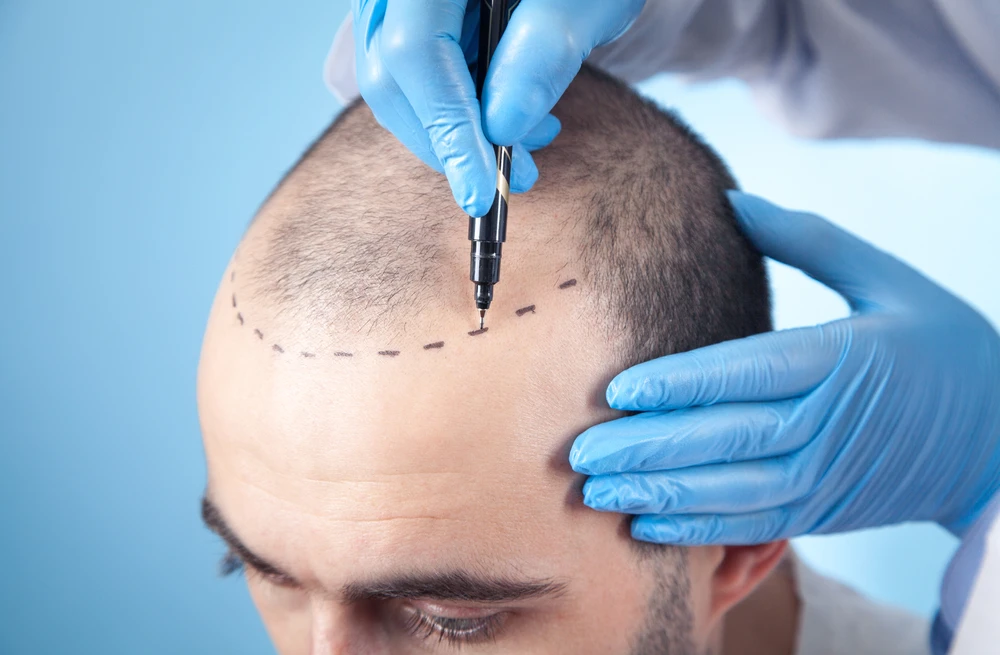

Loss of hair may be a very significant psychological shock and affect self-image, which makes many individuals view hair transplant surgery as a permanent measure. Although the present-day hair transplant methods have greatly improved, there is one important factor that still determines the success of undergoing the procedure, and it is the expertise of the surgeon. It is not simply a matter of transplanting hair follicles, and it is actually a very specific medical and aesthetic field that cannot be learned without experience, planning, and technical know-how. Knowledge of the importance of the surgeon's skill would assist patients in making informed choices as well as bring natural, satisfying outcomes.
The Surgeon and His Role in Hair Transplant Results.
The quality of a hair transplant directly depends on the surgeon's capability of a surgeon to plan and perform an operation. The evaluation of hair loss pattern to develop a natural hairline and laying the grafts in the right direction are parts that need accuracy. An experienced surgeon makes sure the hair that is transplanted will be smooth to existing hair, grow according to the existing direction and will remain natural in the long run.
The significance of Good Hairline Design.
One of the most obvious and significant parts of a hair transplant is hairline design. The appearance of a natural-looking hairline must be according to the age, face structure, and the pattern of hair. A Hair transplant surgeon skilled enough knows how to make soft, non-uniform hairlines on single-hair grafts on the front and then progressively build the density behind it.
Graft Handling accuracy and Placement accuracy.
Hair follicles are very sensitive structures and must be handled well during extraction and implantation. Experienced surgeons cause the least possible trauma to the grafts, which enhances the survival rates and the general outcomes. The angle of placement and depth are also crucial, and the wrong placement of the implants may influence the direction and the look of hair.
Big Deal: Learn Hair Loss Patterns and Plan.
In most people, loss of hair is progressive. An informed surgeon notices present hair loss and also thinks of further thinning. Good long-term planning prevents unnatural outcomes because hair loss goes on with time. Such a strategic solution will enable the donor hair to be used in a more effective manner and will minimize the necessity of correctional interventions in the future.
Having tried various types of hair loss.
Hair transplant surgery is not equally effective in all. The patterns of losing hair vary in men and women, and such disorders as diffuse thinning, receding hair lines, or baldness in the crown areas cannot be addressed in a single mode. Surgical experts are trained to change practices according to different needs and thereby come up with more accurate and efficient outcomes.
In a single case study that was documented, a patient with progressive thinning of the crown received a personalized transplant strategy, which involved the distribution of grafts strategically as opposed to dense packing. A progressive and natural-appearing density and coverage improvement was observed over the next few months, which underscores the role of individual planning of the surgery in generating positive and realistic results
Significance of a Pre-Procedure Consultation: Detailed Discussion.
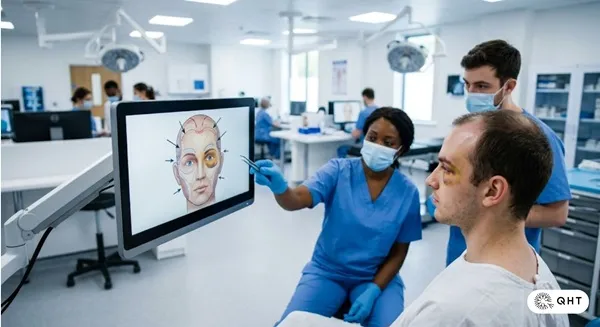
The procedure of a professional hair transplant surgeon starts with a good consultation. This step involves examination of the scalp, evaluation of the area of the donor, and discussion of the possible outcomes. A competent surgeon will take time to describe the operation, the recovery process, and the expectations. Such transparency will assist the patients in being confident and knowledgeable before making a decision.
Standards of Surgical Environment and Safety.
Another sign of professionalism is the attitude of a surgeon towards safety and hygiene. The surgery of transplanting the hair must be conducted in a clean and controlled environment by trained medical professionals and with the right equipment. Compliance with safety measures mitigates the risk of infectious disease, complicates the recovery process and improves the outcomes.
Post-Procedure Care and Toll Holding.
The responsibilities of the surgeon do not stop at the end of the procedure. It is important that the post-operative care is proper so as to heal and grow hair. Results are most optimized by having clear instructions on aftercare, additional assessment on follow-up, and providing guidance throughout the period of hair growth
Handling Expectations in the Long Run. Hair transplant surgery does not give immediate and artificial results, but it enhances the appearance and density of hair with time. Seasoned surgeons counsel the patients on what is realistically achievable, depending on the availability of donor hair and the patterns of hair loss of the patient. Patients will become more satisfied with the outcome when they receive medically feasible expectations.
Such reliable sources of information, like WriteUpCafe, are also significant as they present well-organized articles that enable the reader to gain more knowledge on the process of hair restoration and make the right judgment prior to receiving the treatment.
Conclusion:
Skill Makes the Difference.
Technology or the method is not the sole determinant of hair transplant success; it is the skill of the surgeon, with his experience and attention, that determines the success of the process. Planning and execution, aftercare, and long-term support are all areall processes that are improved with the intervention of an expert. The key to a successful and permanent change is to select a surgeon who takes his safety, accuracy, and natural outcomes as a priority.
FAQs
Why is a surgeon's skill important in hair transplant surgery?
Surgeon skill affects hairline design, graft survival, natural appearance, and long-term results.
Can poor technique affect hair growth?
Yes, improper graft handling or placement can reduce growth and lead to unnatural results.
Is consultation important before surgery?
Yes, a detailed consultation helps assess suitability and set realistic expectations.
How long does it take to see final results?
New hair growth usually starts in 3–4 months, with full results visible in 9–12 months.

























Sign in to leave a comment.