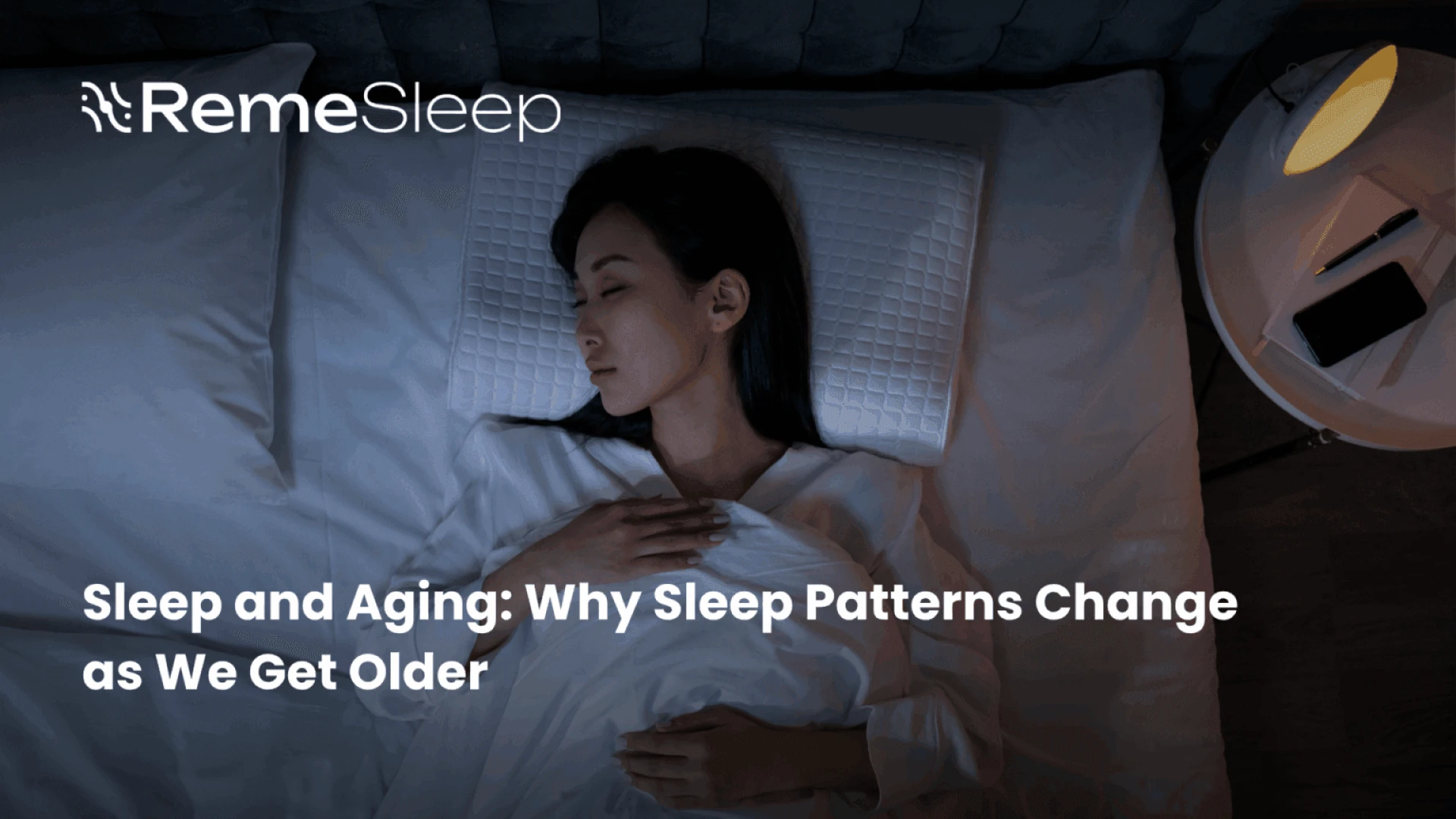

Sleep and Aging: Understanding Why Sleep Patterns Change as We Grow Older
Sleep remains vital throughout life, but our sleep patterns naturally shift with age. Many older adults experience trouble falling asleep, frequent awakenings, or waking up too early. But what causes these changes—and how can we restore restful nights? Let’s explore how aging affects sleep and how RemeSleep Sleep Solution helps bring back deep, rejuvenating rest.
At RemeSleep, we blend advanced diagnostics with personalized therapies to help older adults achieve restorative sleep—supporting sharper minds, stronger immunity, and more vibrant energy.
How Sleep Evolves With Age
1. Altered Sleep Architecture
With aging, deep slow-wave sleep decreases while lighter sleep increases, making individuals more easily disturbed by noise or discomfort.
2. Shifted Circadian Rhythm
Older adults often feel sleepy earlier in the evening and wake earlier in the morning due to a “phase advance” in their internal clock.
3. Reduced Melatonin Levels
Natural melatonin production declines with age, affecting both sleep onset and overall sleep quality.
4. More Frequent Awakenings
Conditions such as arthritis, heartburn, nocturia, and chronic illness often interrupt sleep throughout the night.
5. Increased Sleep Disorders
Issues like insomnia, sleep apnea, and restless legs syndrome (RLS) become more common and require timely evaluation.
Why Poor Sleep in Older Adults Shouldn’t Be Ignored
Chronic sleep loss in aging adults can:
- Raise fall risk
- Impair memory and cognition
- Weaken immunity
- Trigger or worsen anxiety and depression
How RemeSleep Supports Healthy Sleep in Aging
At RemeSleep, we understand that sleep issues in older adults are multifaceted—not just a “normal part of aging.” Our approach includes:
- Comprehensive Sleep Assessments: Identify causes like insomnia, apnea, or circadian rhythm shifts.
- Expert-Led Treatment Plans: Developed by certified sleep doctors using evidence-based methods.
- Non-Invasive Therapies: IFrom cognitive behavioral therapy for insomnia (CBT-I) to CPAP therapy and personalized lifestyle strategies.
- Flexible Testing Options: Choose from in-lab or home-based sleep studies with accurate data insights.
- Smart Sleep Technology: Continuous tracking, follow-up, and support for long-term wellness.
Why Choose RemeSleep Sleep Solution
- Age-Sensitive Approach: Tailored therapies that respect biological and emotional aspects of aging.
- Expert Guidance: Early detection and management of age-related sleep challenges.
- Holistic Care: Integrating nutrition, behavioral therapy, and device support.
- Accessible & Affordable: Virtual and in-person consultations at competitive prices.
FAQs About Sleep and Aging
Q1. Is it normal to sleep less as we age?
Yes, total sleep time may decline slightly, but persistent sleep issues may signal a disorder.
Q2. Can insomnia develop later in life?
Absolutely. Stress, health issues, or medications can trigger insomnia in older adults.
Q3. Are sleeping pills safe for seniors?
Not always—these may increase fall or confusion risk. CBT-I offers a safer, more sustainable solution.
Q4. When should I see a sleep specialist?
If poor sleep lasts over a few weeks or affects daily life, professional assessment is essential.
Q5. What makes RemeSleep unique?
Our non-drug, age-inclusive, and personalized approach combines science, compassion, and innovation.
✨ Ready to rediscover peaceful, restorative sleep—at any age?
Visit RemeSleep today and connect with our expert sleep specialists for a tailored consultation.




























Sign in to leave a comment.