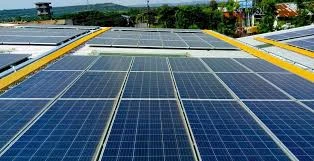

The rising cost of energy, coupled with growing environmental concerns, is pushing businesses to reevaluate how they power their operations. One of the most promising and practical solutions is solar energy. Installing solar for commercial use is no longer just a green initiative—it’s a financially savvy and strategic business decision. Here’s why more businesses are making the switch.
The Financial Benefits of Commercial Solar
Reduced Operational Costs
One of the most compelling reasons to invest in solar for commercial properties is the significant reduction in energy bills. Businesses often operate during peak sunlight hours, meaning they can directly benefit from the energy produced by solar panels. Over time, this translates into thousands—sometimes millions—of dollars saved in utility expenses.
Tax Incentives and Rebates
Governments at all levels offer financial incentives for companies investing in renewable energy. These may include federal investment tax credits (ITCs), accelerated depreciation (MACRS), and state or municipal rebates. When combined, these incentives can offset a large portion of the initial installation costs, making solar a more accessible option for small to large enterprises alike.
Long-Term Investment
Unlike volatile energy prices, solar provides predictable savings. A typical commercial solar system has a lifespan of 25 to 30 years, meaning businesses can count on decades of reduced energy costs. As energy prices continue to rise, the value of generating your own power increases steadily over time.
Environmental and Branding Advantages
Reduced Carbon Footprint
Companies are under increasing pressure to demonstrate environmental responsibility. Switching to solar for commercial use helps reduce reliance on fossil fuels and cuts down greenhouse gas emissions. This not only benefits the planet but also aligns your business with modern sustainability standards.
Enhanced Brand Reputation
Consumers and clients are more likely to support businesses that reflect their own values. Going solar can position your company as an eco-conscious leader in your industry. This can lead to stronger customer loyalty, enhanced community relationships, and even positive media coverage.
Energy Independence and Risk Management
Energy Security
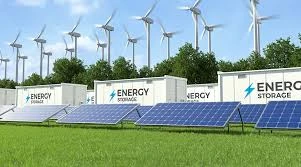
Solar energy systems reduce dependence on the grid and protect your operations from power outages and energy price fluctuations. With the addition of battery storage systems, businesses can store excess energy for use during peak hours or emergencies, ensuring uninterrupted service and operation.
Future-Proofing Your Business
As energy regulations continue to evolve and carbon pricing becomes more common, investing in renewable energy now places your business ahead of regulatory curves. Future mandates may require reduced emissions or cleaner energy sources, and businesses that already use solar will be well-prepared.
Customization and Scalability
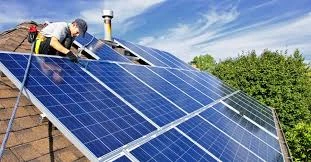
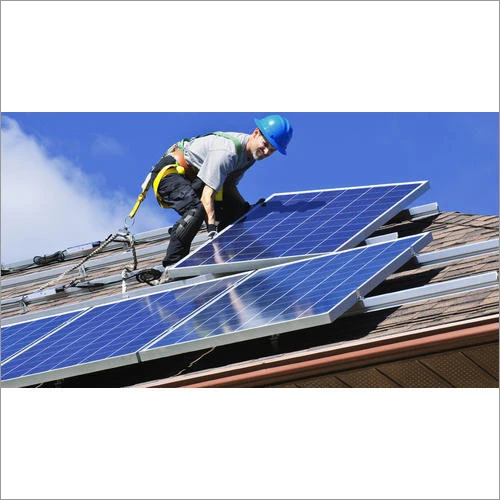
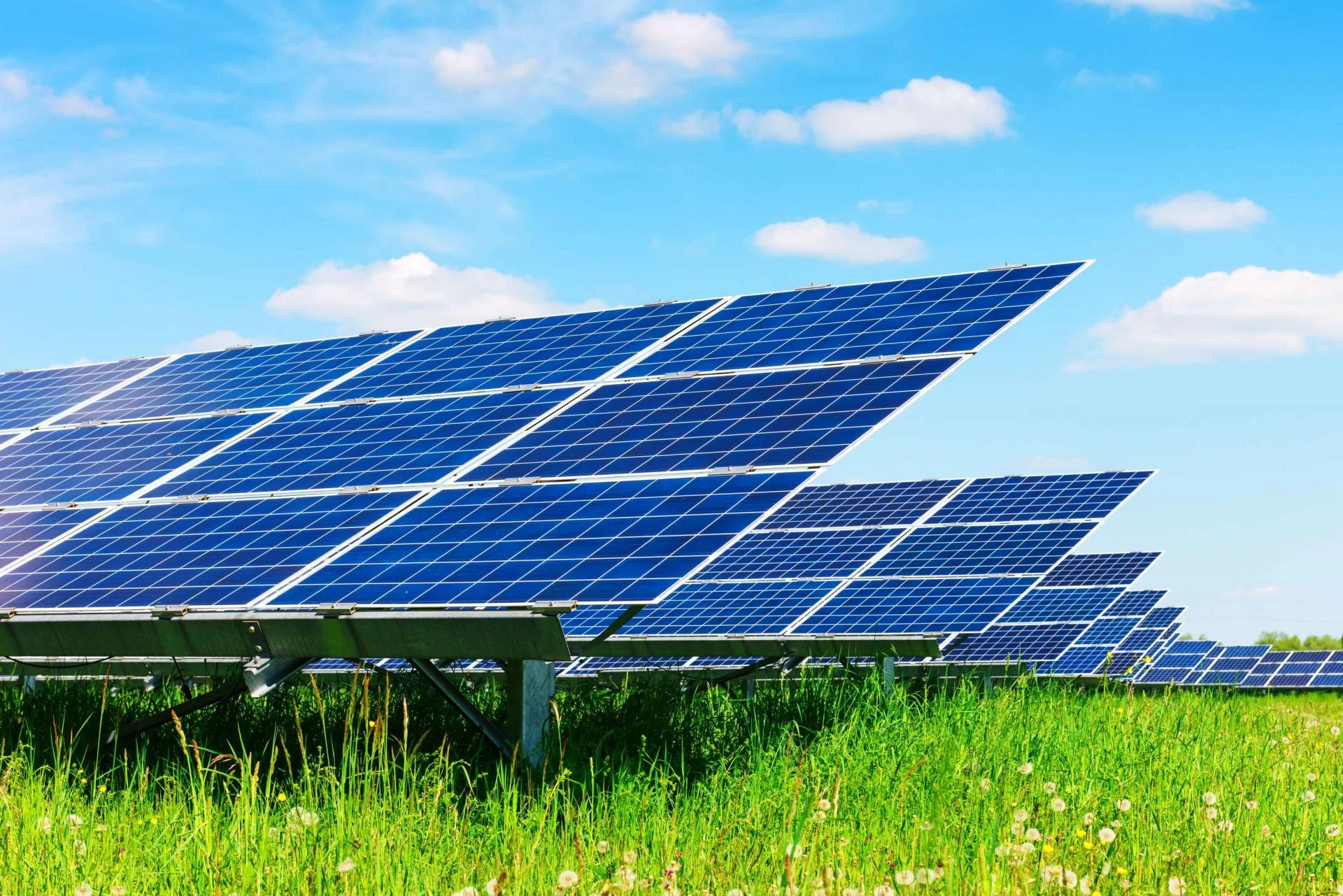
One of the great advantages of modern solar solutions is their adaptability. Systems can be customized to fit rooftops, parking canopies, or open land. They’re also scalable, meaning they can grow with your business. Whether you’re operating a warehouse, office building, or retail chain, solar for commercial needs can be tailored to meet your unique energy demands.
Choosing the Right Partner for Solar Integration
Why It Matters
Not all solar providers are created equal. Choosing an experienced, reputable solar integration partner is crucial to the success and ROI of your system. From design and permitting to installation and maintenance, a trusted provider ensures a smooth and efficient transition.
FAQs About Solar for Commercial Use
1. How long does it take to recoup the investment in a commercial solar system?
Most commercial solar installations pay for themselves within 5 to 7 years through energy savings and tax incentives. After that, the energy savings directly contribute to your bottom line for decades.
2. Can a business still operate if the solar system doesn’t produce enough energy?
Yes. Solar systems are typically connected to the grid. If additional power is needed beyond what your system generates, it’s automatically drawn from the grid, ensuring continuous energy availability.
3. Is there maintenance involved with solar for commercial properties?
Commercial solar systems require minimal maintenance. Routine inspections and occasional cleanings are usually sufficient. Many providers offer maintenance packages to ensure your system runs efficiently.
Conclusion
Investing in solar for commercial use is more than just a trend—it’s a strategic move that yields financial savings, enhances brand value, ensures energy independence, and supports environmental sustainability. As businesses continue to seek innovative ways to reduce costs and build resilience, solar energy emerges as a practical, proven solution.
Green Integrations Inc. is your trusted partner in transitioning to solar power. With years of experience in commercial solar solutions, we design and install systems that deliver maximum efficiency and ROI for your business.
Contact Green Integrations Inc. today to get a customized solar plan tailored to your commercial energy needs.























Sign in to leave a comment.