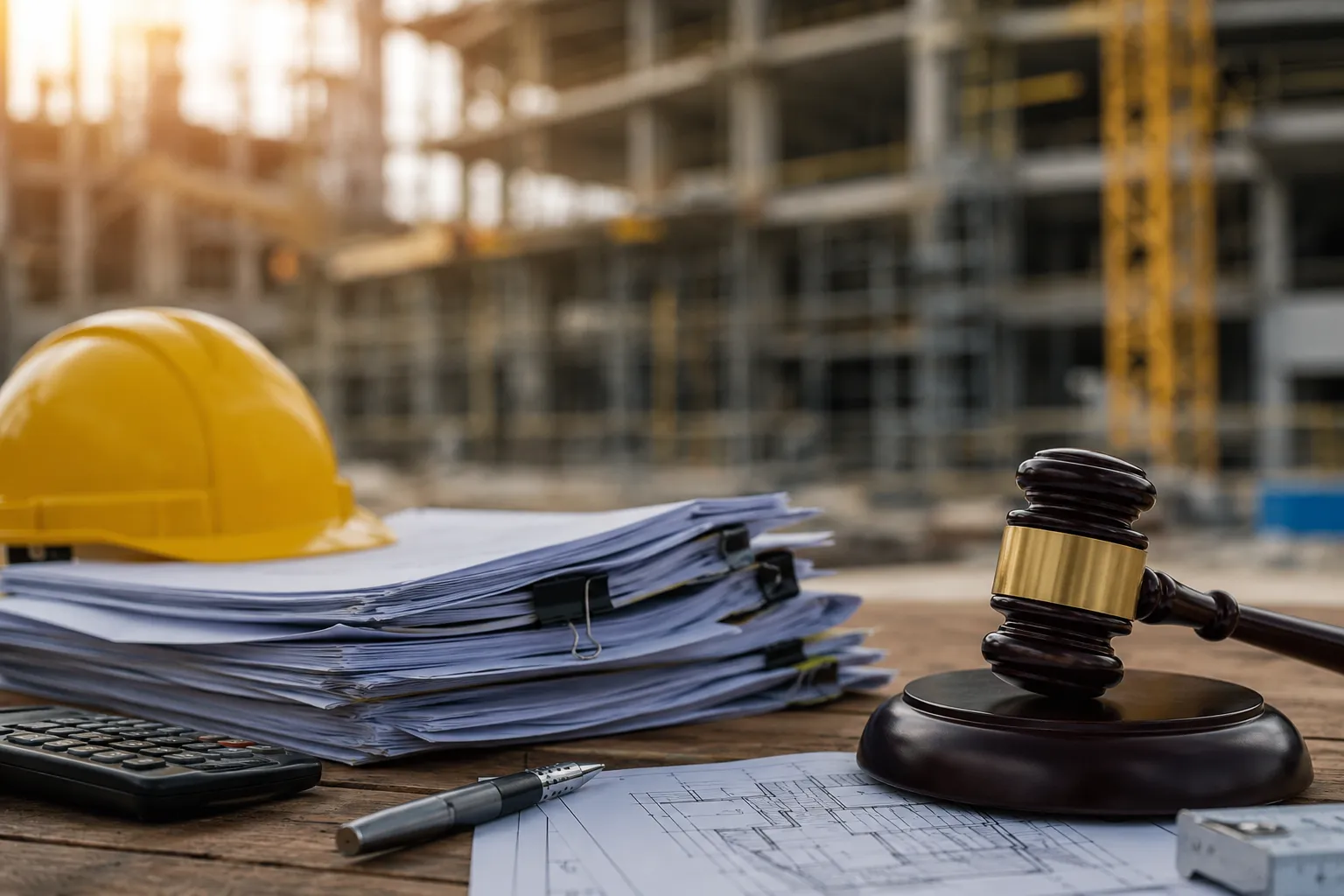

Construction disputes often appear straightforward on the surface. A contractor may have photographs, emails, inspection reports, delay records, invoices, and witness statements that clearly show a problem occurred. Yet many claims still fail during negotiation, adjudication, arbitration, or court proceedings.
In Australia, construction claims regularly collapse not because evidence is missing, but because the evidence is poorly presented, legally weak, inconsistent, or unsupported by proper expert analysis. Strong evidence alone is not enough. The way a claim is prepared, explained, and connected to the legal issue matters just as much.
This is where many contractors, builders, developers, and property owners make costly mistakes.
Evidence Without Clear Causation
One of the biggest reasons construction claims fail is the inability to prove causation.
For example, a builder may provide photographs showing water damage in a commercial property. However, unless the claim clearly proves what caused the damage, who was responsible, and how the issue developed, the evidence may not support liability.
Courts and tribunals look beyond the existence of a defect. They examine whether the claimant can establish a direct connection between the alleged breach and the resulting loss.
This becomes particularly important in cases involving:
- Waterproofing failures
- Structural movement
- Delayed project completion
- Defective workmanship
- Design coordination issues
- Multi-contractor disputes
Without a clear chain of responsibility, even detailed evidence can lose value.
Poor Documentation Timing
Timing plays a major role in construction disputes.
Many parties only begin collecting records after problems escalate. By then, critical information may already be missing. Site conditions may have changed, subcontractors may no longer be available, and project records may be incomplete.
Australian construction claims often weaken because of:
- Missing site diaries
- Incomplete variation records
- Unapproved scope changes
- Lack of signed instructions
- Missing progress reports
- Delayed incident reporting
Even genuine claims can struggle if documentation does not show a consistent timeline.
This is especially common in residential construction disputes where communication is handled informally through phone calls or messaging apps.
Weak Expert Witness Reports
An expert witness report can significantly strengthen or weaken a construction claim.
Some claims fail because the expert report lacks independence, technical detail, or compliance with legal requirements. Courts expect expert witnesses to provide objective opinions based on evidence, industry standards, and technical analysis.
A poor report may include:
- Unsupported conclusions
- Biased language
- Missing calculations
- Incomplete inspections
- No reference to Australian Standards
- Opinions outside the expert’s qualifications
An expert witness is not there to support one side blindly. Their role is to assist the court with professional and impartial analysis.
Claims supported by weak expert evidence often lose credibility quickly.
Contract Terms Are Overlooked
Many parties focus heavily on site evidence while ignoring the construction contract itself.
This becomes a major issue during delay claims, variation disputes, and payment conflicts. Even when defective work or project delays are obvious, the contract may contain notice requirements, procedural obligations, or limitation clauses that affect the claim.
For example:
- A contractor may fail to submit delay notices within the required timeframe
- A variation may not meet written approval requirements
- Extension of time procedures may not have been followed
- The contract may limit recoverable damages
Australian courts regularly assess whether contractual procedures were followed correctly before considering compensation.
Strong evidence cannot always overcome contractual non-compliance.
Inconsistent Communication
Construction disputes often involve hundreds of emails, reports, meeting minutes, and instructions. Problems arise when communication becomes inconsistent.
A contractor may claim one issue caused project delays, while earlier emails suggest a different explanation. Site records may conflict with progress reports. Witness statements may contradict documented timelines.
Even small inconsistencies can damage credibility.
Decision-makers look for reliability and consistency across all project records. When evidence conflicts internally, the entire claim can become questionable.
This is one reason experienced construction solicitors and expert witnesses carefully review project communication before formal proceedings begin.
Claims Are Poorly Structured
Another common issue is poor claim presentation.
Some construction claims contain large volumes of evidence but fail to explain the issue clearly. Courts and tribunals do not simply sort through documents and build the argument themselves.
A successful claim usually requires:
- Clear identification of the issue
- Evidence linked directly to each allegation
- Technical explanation from qualified experts
- Supporting contractual references
- A logical timeline of events
- Proof of financial loss or damages
Without structure, strong evidence becomes difficult to follow and less persuasive.
Delays in Obtaining Expert Advice
Many parties wait too long before engaging construction experts.
Early expert involvement often helps identify weaknesses before disputes escalate. Experts can assist with:
- Site inspections
- Defect analysis
- Delay assessments
- Evidence preservation
- Compliance reviews
- Causation analysis
When expert review happens late, important evidence may already be compromised.
In some Australian construction disputes, delayed inspections prevent experts from accurately determining the original cause of damage because repairs or alterations have already occurred.
Final Thoughts
Construction claims do not succeed purely because evidence exists. Success depends on how effectively that evidence proves liability, causation, contractual compliance, and financial impact.
Many disputes collapse due to poor documentation practices, inconsistent communication, weak expert reports, or failure to follow contractual procedures. Even technically strong cases can struggle if the claim lacks structure and credibility.
For contractors, developers, property owners, and project managers, early preparation is critical. Accurate records, independent expert analysis, and legally compliant documentation significantly improve the strength of a construction claim.
In complex disputes, the quality of the claim presentation often matters just as much as the evidence itself.
Frequently Asked Questions
What are the common reasons construction claims fail in Australia?
Construction claims often fail due to poor presentation of evidence, inability to establish clear causation, and oversight of contractual terms. Additionally, inconsistent communication, weak expert reports, and lack of proper documentation can significantly weaken a claim's credibility.
Why is documentation timing critical in construction claims?
Timing is vital because gathering documentation after issues arise can lead to missing critical information. Early record-keeping ensures that site conditions, subcontractor availability, and project timelines are accurately documented, which strengthens the overall claim.
What role do expert witness reports play in construction claims?
Expert witness reports can significantly bolster a construction claim by providing objective, technical analysis based on industry standards. However, if the report lacks independence, detail, or compliance with legal requirements, it can undermine the claim’s credibility.
How can inconsistent communication affect construction claims?
Inconsistent communication can create confusion regarding the causes of project delays or defects. If evidence such as emails, reports, and witness statements conflict, it can damage the claim's reliability and may lead decision-makers to question its validity.
When is the best time to engage construction experts during a dispute?
It is best to engage construction experts early in the dispute process, as they can help identify weaknesses and assist with site inspections, defect analyses, and evidence preservation. Waiting too long may compromise important evidence and hinder accurate assessments of the situation.


































Sign in to leave a comment.