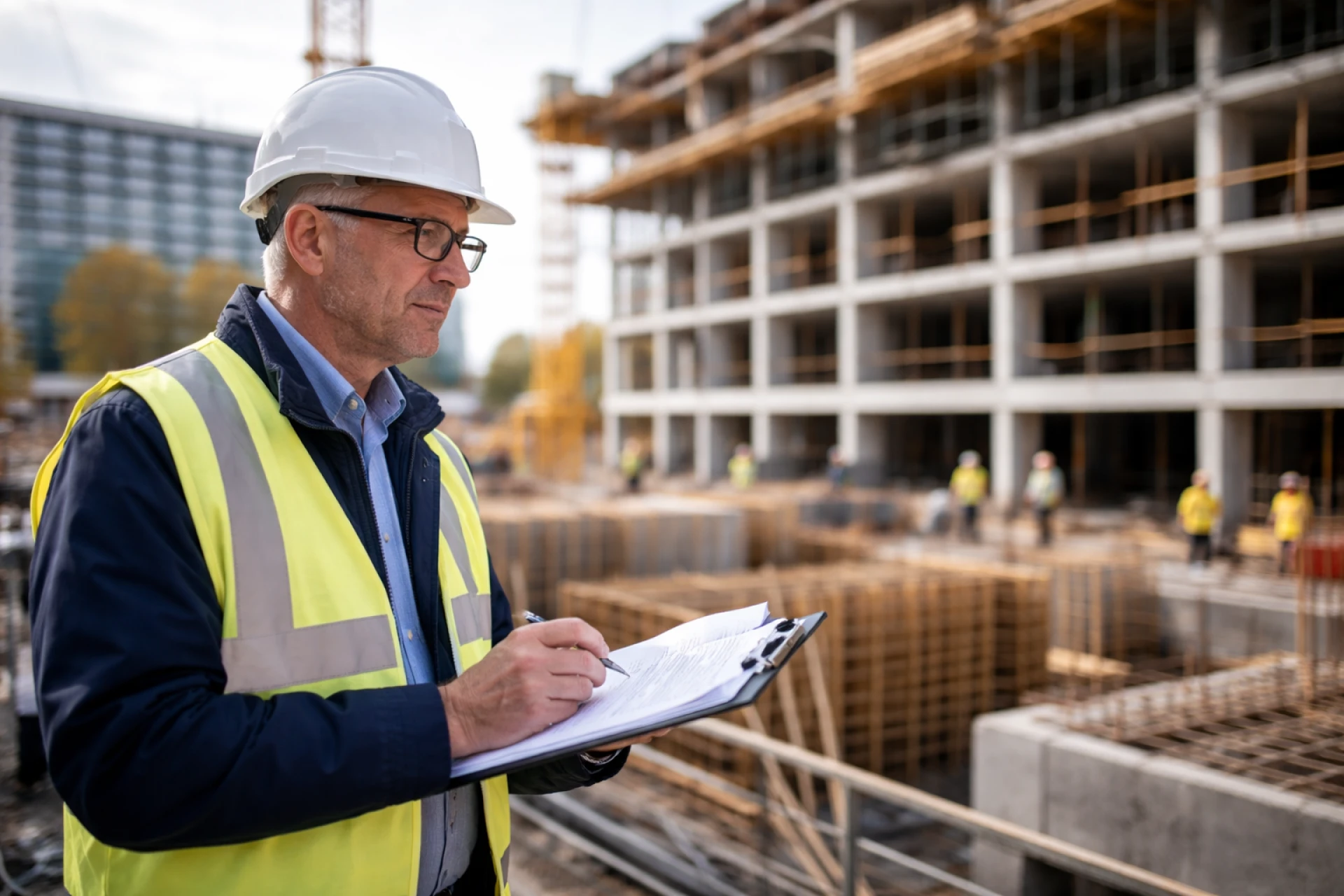

Construction disputes often involve technical details that courts, arbitrators, and lawyers are not trained to interpret on their own. This is where a construction expert witness becomes critical. Appointing the expert at the right time can directly influence the strength, cost, and outcome of a dispute.
This guide explains when a construction expert witness should be appointed and why timing matters.
What Is a Construction Expert Witness?
A construction expert witness is an independent professional with specialist knowledge in construction, engineering, contracts, or project management. Their role is to:
- Investigate technical and factual issues
- Provide impartial written opinions
- Assist legal teams with technical clarity
- Give expert testimony in court or arbitration
Their duty is to the tribunal, not to the party who appoints them.
When Should You Appoint a Construction Expert Witness?
1. As Soon as a Dispute Becomes Likely
The best time to appoint a construction expert witness is before positions become fixed. Early involvement helps preserve evidence and prevents critical information from being lost.
Early appointment allows the expert to:
- Inspect the site while conditions are unchanged
- Review original records and drawings
- Identify strengths and weaknesses before claims escalate
Waiting too long can reduce the credibility and effectiveness of the expert opinion.
2. When Technical Issues Are Central to the Dispute
You should appoint an expert witness when the dispute involves technical questions such as:
- Construction defects or workmanship issues
- Structural failures
- Material compliance
- Design responsibility
- Causation of damage
Courts and tribunals rely heavily on expert evidence in these matters.
3. During Delay and Disruption Claims
Construction delays are rarely straightforward. Expert witnesses are essential when disputes involve:
- Programme analysis
- Critical path delays
- Concurrent delays
- Productivity loss
An expert can assess whether delays were excusable, compensable, or caused by poor management.
4. Before Formal Legal Proceedings Begin
Appointing an expert before litigation or arbitration helps in:
- Assessing claim viability
- Valuing potential exposure
- Supporting settlement discussions
Well-prepared expert input often leads to earlier and more informed resolution.
5. When Preparing or Responding to Expert Reports
If the opposing party appoints an expert, you should do the same. Construction disputes are evidence-driven, and failing to appoint a qualified expert can leave your case unsupported.
An expert can:
- Critically review opposing expert opinions
- Identify factual or methodological errors
- Prepare rebuttal reports where required
6. When the Dispute Involves High Value or Complex Projects
Large commercial, infrastructure, or mixed-use developments often involve:
- Multiple contractors and consultants
- Complex contractual structures
- Interrelated technical issues
In such cases, expert evidence is not optional. It is essential.
7. Before Mediation or Alternative Dispute Resolution
Expert witnesses play a key role in ADR by:
- Clarifying disputed technical facts
- Supporting realistic settlement positions
- Reducing uncertainty for all parties
An informed mediation backed by expert input is more likely to succeed.
Why Timing Matters?
Delaying the appointment of a construction expert witness can lead to:
- Loss of physical evidence
- Incomplete or inaccurate opinions
- Increased legal costs
- Reduced credibility in proceedings
Early involvement strengthens both technical accuracy and legal strategy.
Key Takeaways
- Appoint a construction expert witness as early as possible
- Early expert input improves evidence quality and outcomes
- Experts are essential for defects, delays, and complex disputes
- Proper timing can reduce costs and support settlement

























Sign in to leave a comment.