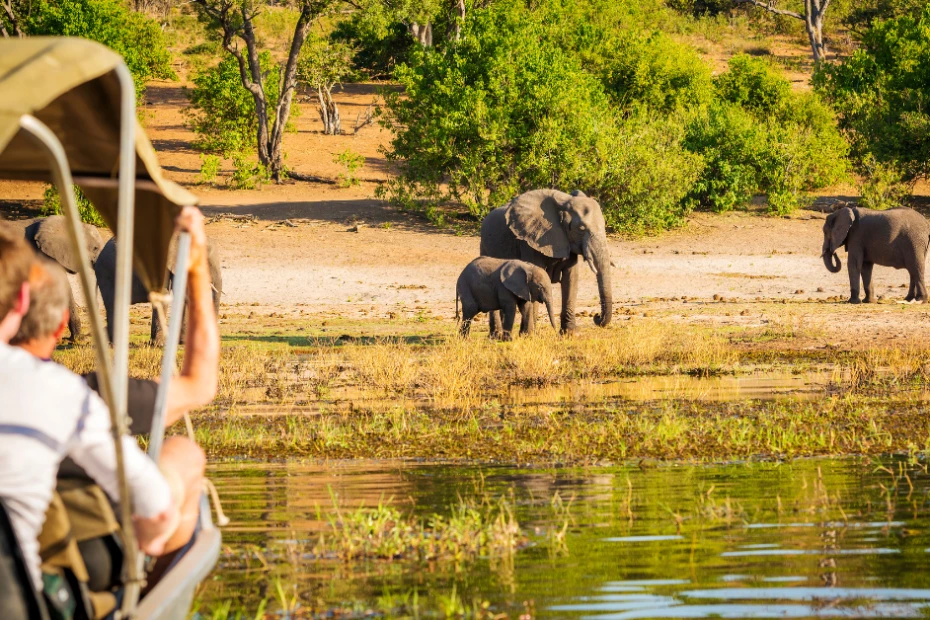

Most people planning a trip to Africa think of Kenya or Tanzania first. And look, those are great spots. But if you’ve been paying attention to what seasoned travellers have been saying over the past few years, you’ll know that the real magic is happening further south. We’re talking about countries like Botswana and Mozambique, two places that offer completely different experiences but are equally worth your time and money.
If you’re based in South Africa, you’re already in the perfect position to get to both of these places without spending a full day in airports. And if you’re coming from overseas, combining a trip to Botswana with a beach stop in Mozambique is one of the smartest things you can do.
Let me break down why.
What Makes Botswana Different From Other Safari Destinations
There’s a reason Botswana has become one of the most talked-about wildlife destinations in the world. The government took a very different approach to tourism compared to its neighbours. Instead of letting large numbers of tourists flood into the parks, they kept visitor numbers low and prices higher. The result? You get to see wildlife in settings that feel untouched, without a queue of twenty vehicles all trying to photograph the same lion.
A Botswana safari is not like a safari anywhere else. The Okavango Delta alone is something you won’t find replicated on the planet. It’s a massive inland delta where water from Angola floods into the Kalahari Desert, creating a green, water-rich paradise right in the middle of dry land. Animals gather there in huge numbers, and you can view them from traditional mokoro canoes, open-top vehicles, or even on foot with trained guides.
Then there’s Chobe National Park, home to one of the largest elephant populations in Africa. During the dry season, you can sit on the riverbank and watch hundreds of elephants coming to drink and bathe. It’s not something you forget easily.
Choosing the Right Place to Stay
Accommodation in Botswana ranges from mobile camping safaris to high-end lodges that cost a small fortune per night. Both have their place, and both give you access to incredible wildlife.
If you go the lodge route, a good Botswana safari lodge will put you right in the middle of the action. Most lodges in the Delta are built on islands or along waterways, so you wake up to the sounds of hippos grunting and birds calling. Some lodges have private plunge pools looking out over the floodplains. Others are more rustic and closer to the bush camping feel.
For budget-conscious travellers, mobile camping safaris are a solid option. You move between campsites following the wildlife, sleeping in walk-in tents. You’re still getting the same incredible sightings, just without the fancy extras.
Either way, the standard of guiding in Botswana is exceptional. Many of the guides have grown up in these areas and have been tracking animals since they were children. They know the bush better than anyone, and that makes a real difference to what you see and how you see it.
The Bigger Picture of Botswana African Wildlife
One thing that sets Botswana apart from other African countries is how seriously they take conservation. Large parts of the country are set aside as protected areas or wildlife management zones. This means the animals have massive amounts of space to roam, which leads to healthier populations and more natural behaviour.
You’ll find the Big Five in Botswana without too much trouble, but the country is particularly famous for its predator populations. The wild dog packs in the northern parts of the country are some of the most reliable sightings on the continent. Leopards are common in areas like the Moremi Game Reserve. And the lion prides in the Savuti area of Chobe are legendary for their size and hunting behaviour.
Beyond the big predators, Botswana is a birder’s dream. The Okavango Delta alone has over 400 species of birds. If you time your visit right, between November and March, you’ll see migrant species from Europe and Asia that come south for the warmer months.
Switching It Up With a Beach Break in Mozambique
After a few days in the bush, your body and mind are buzzing with everything you’ve seen. That’s exactly when a beach break makes sense. And there’s no better place for it than the coast of Mozambique.
Mozambique sits just east of South Africa along the Indian Ocean, and its coastline is one of the most beautiful and least crowded in all of Africa. The water is warm, clear, and full of marine life. The beaches are long stretches of white sand backed by palm trees and small fishing villages. It’s the kind of place where you can genuinely switch off.
Mozambique beach resorts have come a long way over the past decade. There are now options for every budget, from backpacker-style beachfront lodges to seriously high-end properties with private villas, ocean-facing pools, and world-class diving right off the beach. Some of the best resorts are in the Bazaruto Archipelago and along the Vilanculos coastline, where the combination of coral reefs, marine life, and calm turquoise water is hard to beat.
What makes Mozambique special is that it hasn’t been overdeveloped. You won’t find massive hotel chains lining the beach or packed tourist areas with souvenir shops every ten metres. Most places are small, locally run, and focused on giving you an authentic experience. You’ll eat freshly caught seafood grilled on the beach, swim with whale sharks and manta rays, and fall asleep to the sound of waves.
Why Combining Botswana and Mozambique Works So Well
The bush and beach combination is one of the most popular trip formats in Southern Africa, and for good reason. You get two completely different experiences in one holiday.
In Botswana, you’re up early, out in the bush, tracking animals, learning about the ecosystem, and soaking up the raw beauty of the African wilderness. In Mozambique, you slow right down. You sleep in, walk on the beach, snorkel over reefs, read a book under a palm tree, and eat too much prawns peri-peri.
The travel between the two is manageable. From Maun or Kasane in Botswana, you can fly to Johannesburg and then connect to Vilanculos or Maputo in Mozambique. Some operators even arrange direct charter flights during peak season, which saves a lot of time.
For South African travellers, you can drive to Mozambique in a day from Johannesburg or Pretoria, making it a very accessible add-on to any trip.
Practical Tips for Planning Your Trip
Best time for Botswana: The dry season, from May to October, is when the wildlife viewing is best. Animals gather around water sources, and the vegetation thins out so you can see more clearly. The green season, from November to April, is quieter and cheaper, but the landscape is lush and the birding is amazing.
Best time for Mozambique: The cooler, drier months from May to November are most comfortable. Water visibility for diving and snorkelling is best from May to August. Whale sharks are present from October to March around the Tofo and Vilanculos areas.
Visas: South African passport holders don’t need a visa for Botswana and can get a visa on arrival in Mozambique. Other nationalities should check their requirements well in advance.
Health: Malaria is present in both countries, so take proper precautions. Chat with a travel health clinic before you go. Yellow fever vaccination is not required for either country unless you’re coming from a country where it’s present.
Budget: Botswana is generally more expensive than other safari destinations because of its low-volume, high-value tourism model. You can expect to spend between R15,000 and R50,000 per person for a three to four-night safari, depending on the level of accommodation. Mozambique is more flexible. A week at a beach resort can cost anywhere from R8,000 to R40,000 per person depending on how fancy you go.
What to Expect When You Get There
Both Botswana and Mozambique are safe for tourists, but like any travel destination, you need to use common sense. Don’t flash expensive equipment around in cities, keep your valuables secure, and listen to your guides and lodge staff.
In Botswana, the infrastructure is good. Roads between major towns are paved, domestic flights are reliable, and the tourism industry is well-organised. You won’t have trouble getting around.
Mozambique is a bit more of an effort, particularly once you move away from the main tourist hubs. Roads can be rough, especially during the rainy season, and some areas are only accessible by boat or small plane. But that’s also part of the appeal. You feel like you’ve gotten somewhere that not everyone gets to see.
The people in both countries are warm and welcoming. Batswana (the people of Botswana) are known for their friendliness, and Mozambicans are some of the most laid-back, generous people you’ll meet anywhere on the continent. You’ll leave both places feeling like you’ve made real connections with the people and the places.
It’s Not Just a Holiday
Travelling to Botswana and Mozambique isn’t just about ticking boxes or posting photos. When you spend money in these countries, you’re supporting local communities, conservation programmes, and small businesses. Many lodges in Botswana operate in partnership with local communities, meaning that your stay directly benefits the people who live alongside the wildlife. In Mozambique, tourism has been a real driver of economic growth in coastal areas, creating jobs and funding community projects.
So yes, you’ll come home with incredible memories. But you’ll also know that your trip made a positive difference.
Southern Africa is full of places worth visiting. But if you had to pick two, Botswana and Mozambique would be right at the top. One for the wildlife. One for the ocean. Both for the kind of experience that stays with you long after you’ve unpacked your bags.
























Sign in to leave a comment.