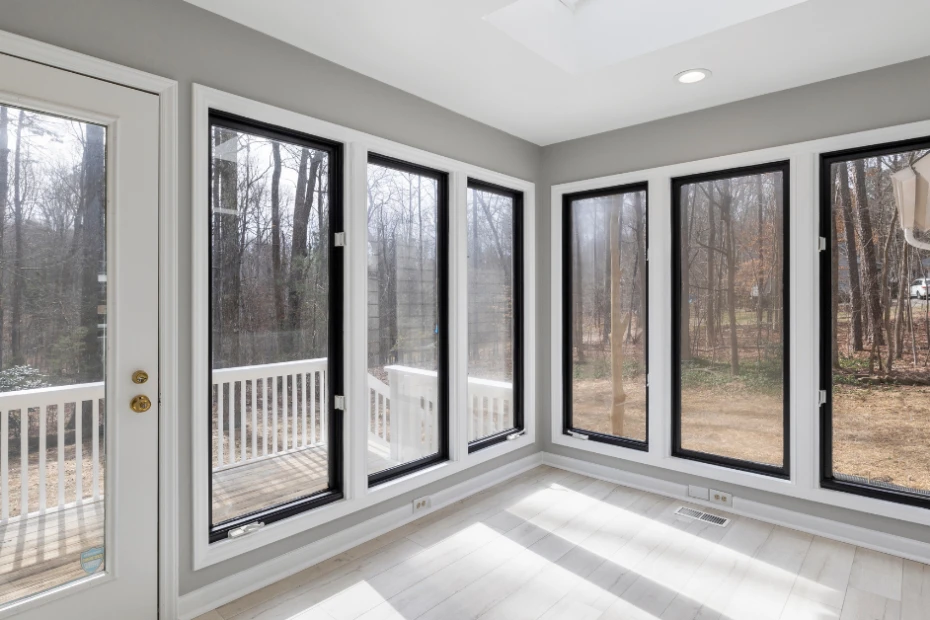

Most people spend weeks choosing paint colours, furniture, and flooring when they renovate. Those are the big decisions and they get all the attention. But once the walls are painted and the tiles are laid, it is the smaller things that pull a room together. The hardware on your doors. The fittings in your bathroom. The little touches that people notice without even realising they are noticing them.
Getting these details right does not have to cost a fortune, but it does take some thought.
Choosing the Right Door Handles
It sounds like a small thing, but door handles are one of the most used items in any home. Every person in the house touches them multiple times a day. A wobbly handle or one that feels flimsy in your hand cheapens the whole feel of a room, no matter how nice the rest of the space looks.
When picking handles, think about the finish first. Matt black is popular right now and works well in modern homes. Brushed nickel and chrome are safe choices that suit almost any style. Brass is making a comeback too, with a warmer tone that pairs well with wood and natural materials.
Then think about the shape. Lever handles are the most common for interior doors. They are easy to use, even with full hands. Round knobs look good on older-style homes but can be tricky for kids or anyone with grip issues.
Door Locks and Security
Good door locks are not something you think about until you need them. For exterior doors, a solid deadbolt is the minimum. For interior doors like bathrooms and bedrooms, a simple privacy lock that can be opened from the outside in an emergency is usually enough.
The quality of locks varies a lot. Budget options from hardware stores often have plastic internal parts that wear out within a year or two. Spending a bit more on a well-made lock saves you the hassle of replacing it down the line. Look for locks with solid metal mechanisms and a smooth turning action. If the lock feels stiff or scratchy when you test it, move on.
Hinges and Door Stops
Nobody thinks about door hinges until one starts squeaking or a door starts sagging. Cheap hinges are one of the most common reasons doors do not close properly. If a door swings open on its own or does not sit flush in the frame, the hinges are usually the problem.
For heavy doors, go with ball-bearing hinges. They carry more weight and move more smoothly than plain butt hinges. For lighter interior doors, standard hinges are fine as long as they are made from decent material. Stainless steel and brass are good options that hold up over time.
And do not forget door stops. A door that swings open and slams into a wall will damage the plaster, scuff the paint, and eventually crack the wall itself. A simple floor-mounted or wall-mounted stop prevents all of that. It is one of those things that costs almost nothing but saves you from expensive repairs later.
Sorting Out the Bathroom
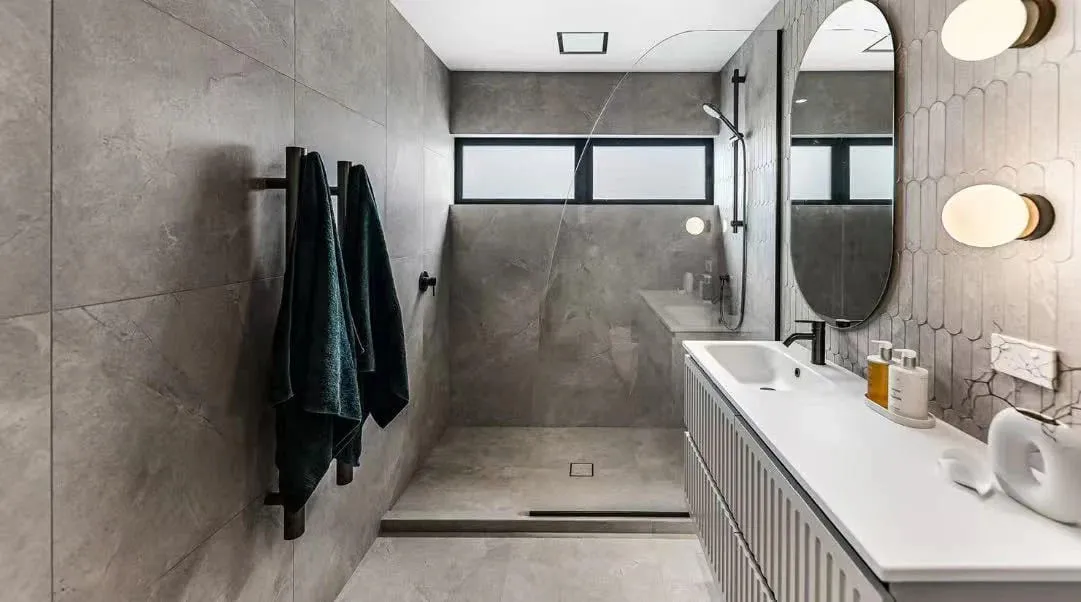
Bathrooms are where the details matter the most. It is a smaller space, so every fitting and accessory is visible. A mismatched towel rail, a cheap soap dispenser, or a toilet roll holder that keeps falling off the wall can make even a newly renovated bathroom feel half-finished.
Investing in proper bathroom accessories that match each other in finish and style makes the whole room look intentional. Towel rings, robe hooks, soap dishes, and toilet brush holders should all come from the same range if possible. That way everything ties together without looking like it was thrown together from whatever was on sale.
Vanities and Basins
Bathroom vanities are the centrepiece of most bathrooms. A wall-mounted vanity with a stone top gives a modern, clean look. A freestanding unit with drawers works better if you need storage space for towels, cleaning products, and toiletries.
The basin sits on top of or inside the vanity, and the style you choose changes the look completely. Bathroom basins come in countertop, undermount, and wall-hung options. Countertop basins (the ones that sit on top of the vanity like a bowl) are popular in modern bathrooms. They look great, but make sure the vanity is the right height. If the basin adds too much height, you will be washing your hands at an awkward angle.
Mirror Cabinets and Heated Towel Rails
Mirror cabinets are a smart choice for bathrooms that are short on space. You get a mirror and storage in one unit. Medicines, razors, toothbrushes, and other bits that clutter up a bathroom counter can all go behind the mirror where they are out of sight but easy to reach.
For anyone who has stepped out of a shower in winter and grabbed a cold, damp towel, heated towel rails are worth every cent. They keep towels warm and dry between uses, which means less laundry and no musty smell building up. They come in electric and hydronic options. Electric ones are easier to install since they just plug in or get wired into the wall. Hydronic ones connect to your hot water system and are more efficient to run, but the installation is more involved.
The Extras That People Forget
There are a few items that often get left off the shopping list during a renovation. One of them is castor wheels. If you have furniture that needs to move around, like an office chair, a kitchen island on wheels, or a TV stand, the castors underneath take a lot of abuse. Cheap plastic ones crack, scratch wooden floors, and stop rolling smoothly after a few months. Rubber or polyurethane castors are a better bet. They roll quietly, protect your floors, and last much longer.
Another thing people skip is matching all the hardware in a room. If your door handles are matt black, your hinges should be too. If your bathroom accessories are brushed nickel, do not throw in a chrome towel rail. Small mismatches like that stand out more than you would expect, and they are easy to avoid if you plan ahead.
Getting It Right the First Time
Renovating or building is stressful enough without having to redo things. Taking a bit of extra time on the hardware and fittings at the start saves money and frustration later. Measure your doors before ordering handles. Check the bore size of your locks before buying replacements. Make sure your hinges are rated for the weight of the door they are going on.
And when it comes to the bathroom, plan the layout before you buy anything. Know where the plumbing points are, how much wall space you have, and what style you are going for. That way, everything you order fits the space and works together from day one.

































Sign in to leave a comment.