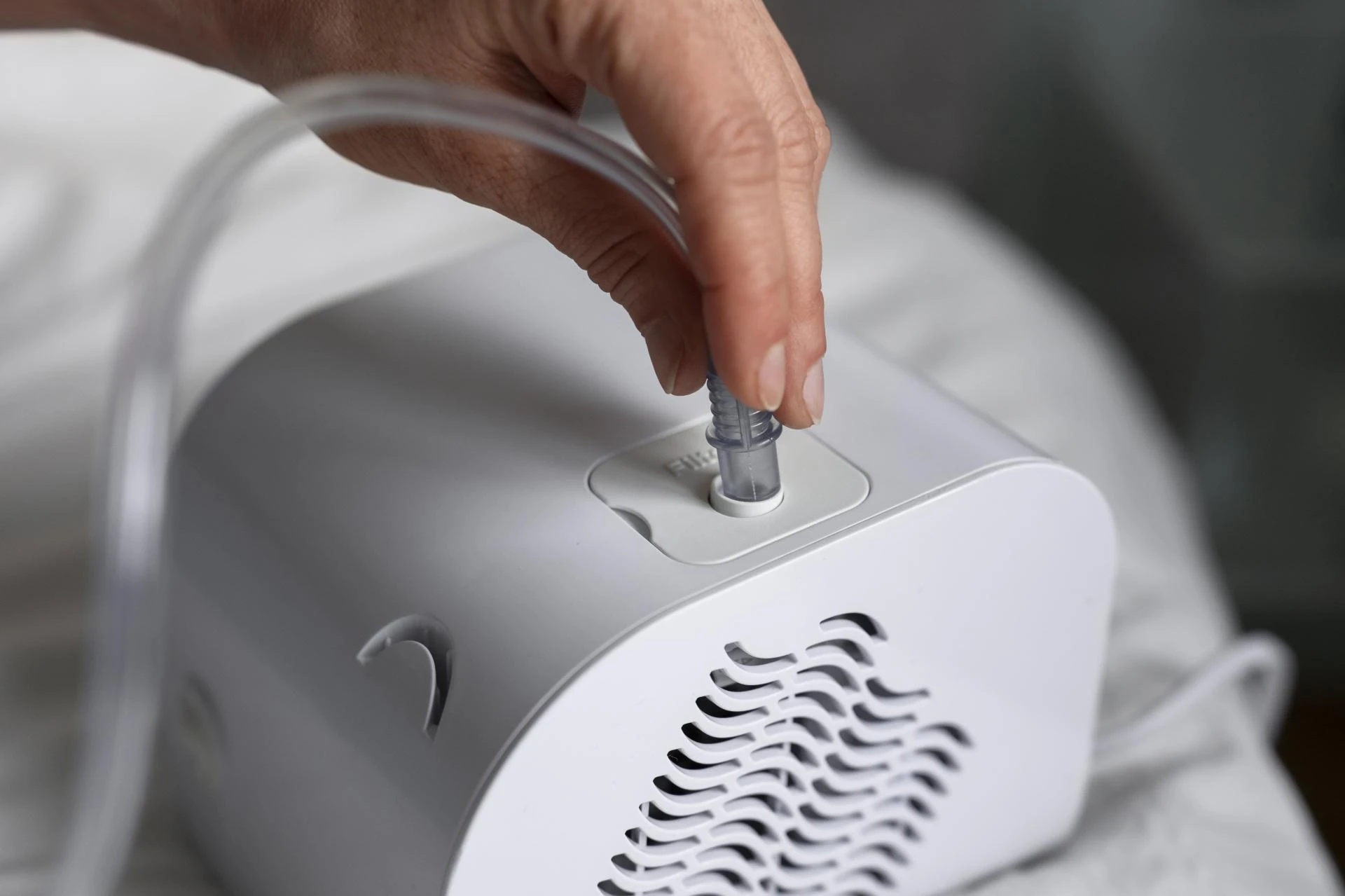

People who rely on supplemental oxygen often explore multiple options before choosing the right system for their needs. Among the most dependable solutions available today are Stationary Oxygen Concentrators, which are built specifically for home use. Unlike portable devices designed for travel and mobility, a Stationary Oxygen Concentrator focuses on continuous, reliable oxygen delivery within a controlled indoor environment.
Understanding why these systems are intentionally non-portable helps patients and caregivers make informed decisions about their oxygen therapy. This guide explains the purpose, design characteristics, and advantages of stationary units and how they fit into a wider oxygen therapy plan that may also include portable systems for life on the move.
What Makes a Stationary Oxygen Concentrator Different?
Designed for Higher Oxygen Output
One of the defining features of a Stationary Oxygen Concentrator is its ability to deliver higher, more stable oxygen flow rates. Many home-based concentrator models support continuous flow settings of 5, 8, or even 10 litres per minute, which is far above what most portable devices can provide. This makes them suitable for users with advanced respiratory conditions such as COPD, pulmonary fibrosis, or chronic hypoxemia who require consistent oxygen throughout the day and night.
A portable device is built for convenience, but a stationary system is engineered for performance. Creating higher oxygen output requires larger internal components, stronger compressors, and more powerful filtration systems none of which lend themselves to portability.
Built for Long-Term, 24/7 Use
A key expectation for home oxygen therapy is uninterrupted operation. A concentrator machine oxygen designed for the home must run for extended periods without overheating or losing performance. Stationary models use robust cooling systems and durable internal parts to ensure they remain reliable during continuous use.
Portable units, on the other hand, are meant for shorter intervals, travel, or periods away from home. Their compact size and battery-powered design inherently limit continuous flow capacity.
Why Stationary Units Are Not Portable
Size and Weight Requirements
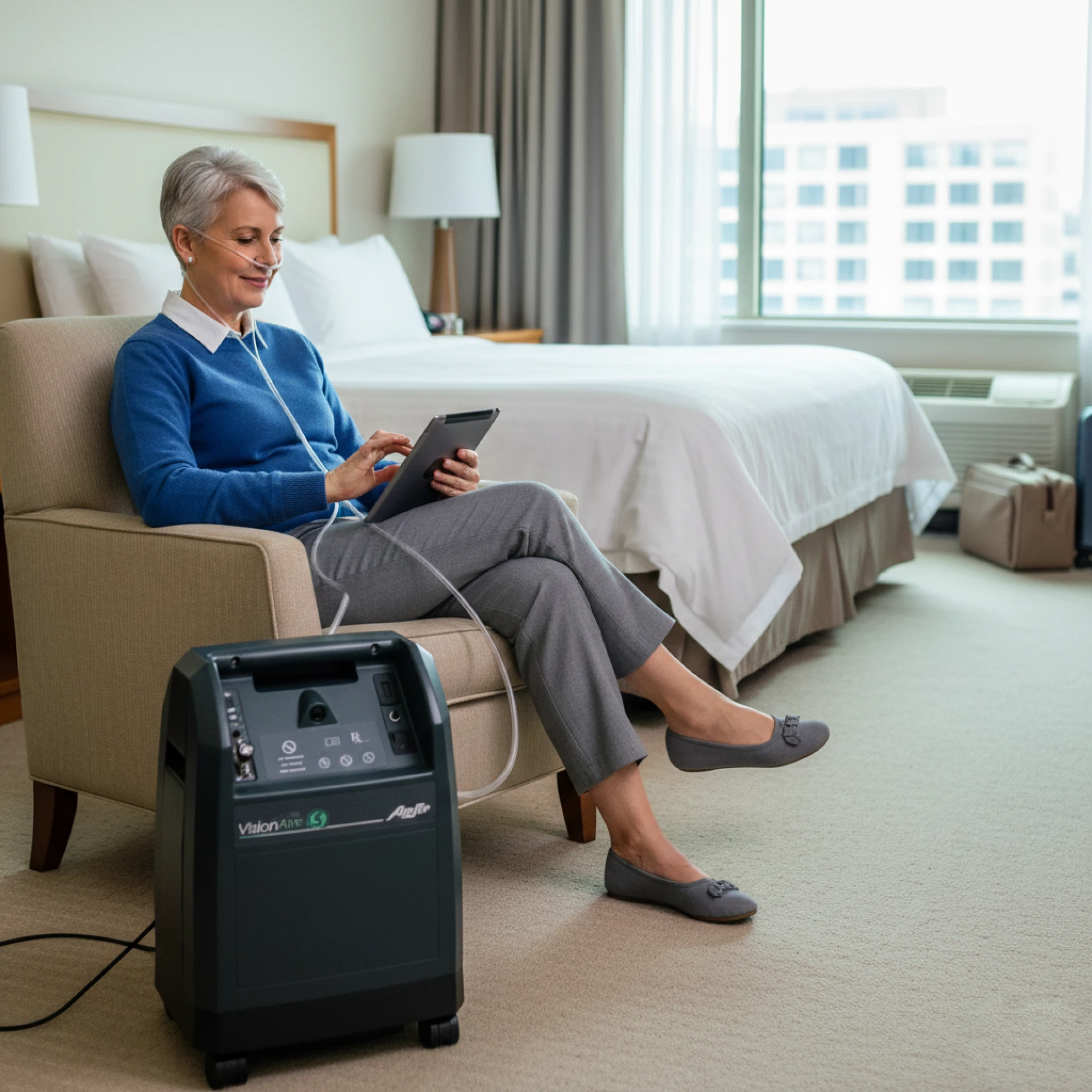
The internal mechanisms that support high oxygen output simply require more space. Larger compressors and heat dissipation systems result in a heavier device that isn’t practical to move around frequently. Most Stationary Oxygen Concentrators weigh significantly more than portable devices and are designed to remain in one location, typically near a power outlet and in a well-ventilated area.
Manufacturers don’t attempt to make stationary units small or lightweight because reducing size would directly compromise their performance and longevity.
No Battery Dependency
Portable concentrators rely on rechargeable batteries, which places limits on operating time and oxygen output. A Stationary Oxygen Concentrator is powered exclusively by mains electricity, ensuring consistent operation without the need for recharging or battery maintenance.
This design choice supports reliability over mobility. As long as it remains plugged in, a stationary unit can work around the clock, making it ideal for people who require continuous oxygen during sleep or throughout the day.
Stability Over Mobility
The goal of a stationary system is to create a stable oxygen environment within the home. These units are built to stay in place and deliver consistent performance without the movement, vibration, and impact stresses that portable devices face. Their construction emphasises durability, airflow efficiency, and temperature management key factors that ensure they can operate safely for years.
Who Benefits Most from Stationary Oxygen Concentrators?
Users Who Need High Flow Rates
Individuals with severe respiratory conditions often require higher flow rates that portable units cannot support. A home concentrator provides stronger oxygen delivery, making it a dependable option for patients whose prescription demands continuous, high-volume oxygen.
Individuals With Limited Mobility
For some users, portability is not a priority. Those who spend most of their time at home benefit from the simplicity and reliability of a stationary system. Even when combined with a portable device, the stationary unit often serves as the primary oxygen source.
Patients Seeking Cost-Effective, Long-Term Therapy
Stationary units can be more economical when considering long-term oxygen use. Because they are built for durability and energy efficiency, they offer reliable home therapy without the ongoing expenses associated with oxygen cylinders or frequent battery replacements.
Complementing Stationary Units with Portable Options
While Stationary Oxygen Concentrators are ideal for home use, many patients also choose to pair them with portable oxygen solutions for travel, errands, or outdoor activities. A portable device provides flexibility, while the stationary unit serves as the main oxygen source at home.
As a UK-based provider of portable oxygen concentrators serving customers worldwide, we regularly help users build a dual-system setup. This combination ensures that they have continuous oxygen support indoors and the freedom to move confidently when outside.
Final Thoughts
Stationary Oxygen Concentrators are intentionally designed for home stability, not portability. Their larger size, higher oxygen output, continuous operation capability, and durable construction make them essential for many individuals requiring long-term oxygen therapy. While they remain fixed in place, their reliability is unmatched making them a cornerstone of home respiratory care.
By understanding the role of a concentrator machine oxygen designed for home use, patients can better evaluate their therapy options and determine whether a stationary unit, a portable device, or a combination of both best suits their daily needs.




























Sign in to leave a comment.