
Strong brands rarely grow by chance. They grow because each product reflects intention, research, and a deep understanding of the customer. In fashion and lifestyle sectors, especially, products carry the brand’s identity into the marketplace. Every fabric choice, silhouette, and price point communicates something meaningful to buyers.
At the heart of that clarity is strategic product development. It connects creativity with data, ensuring that ideas translate into results. When strategic product planning becomes a core discipline, brands reduce uncertainty and create a stable path toward sustainable growth.
Strategic Product Development Creates Structure for Sustainable Growth
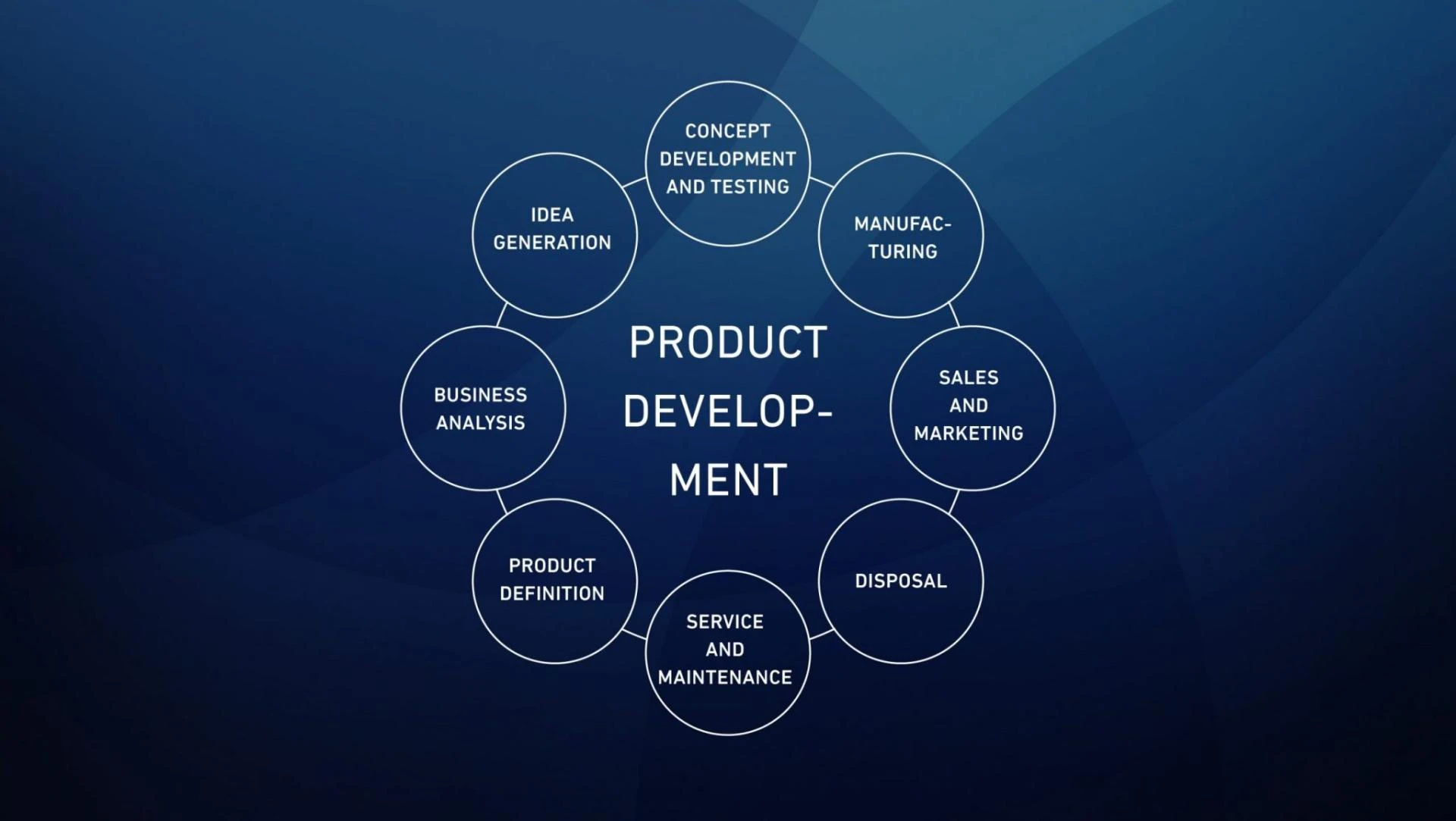
Long-term product planning provides a clear framework that guides a product from concept to launch. Without it, teams often move in different directions. Designers may chase trends, while operations focus only on cost control. A unified strategy keeps everyone aligned. When brands commit to strategic product development early, they define their target audience with precision. They outline pricing architecture, margin goals, and distribution strategy. This alignment prevents wasted investment and protects brand positioning.
An effective product portfolio strategy typically includes:
- Clear customer personas supported by research
- Defined brand positioning and value proposition
- Competitive landscape evaluation
- Cost modelling and margin planning
- Timeline mapping from concept to retail launch
These elements create accountability across departments. Strategic product development transforms scattered ideas into coordinated action.
A structured product development process also ensures communication remains consistent. From sourcing to marketing, each department works from shared objectives. This clarity reduces delays and improves decision-making speed.

Over time, structured product development builds institutional knowledge. Teams learn what works and refine their approach season after season. That learning curve strengthens long-term resilience.
Customer-Cantered Innovation Drives Long-Term Loyalty
- Customers are drawn to brands that feel intentional: Strategic product development places the customer at the centre of decision-making. Instead of assuming preferences, brands validate them through research and testing.
- Feedback loops are critical in integrated product strategy: Surveys, focus groups, and retail data reveal patterns that might otherwise go unnoticed. These insights shape future collections without compromising brand identity.
- Successful product development balances innovation with reliability: Customers want freshness, but they also expect consistent quality. Product innovation strategy supports that balance by introducing new ideas gradually and strategically.
- Testing phases are essential within product strategy development: Sampling, wear testing, and limited releases provide valuable information before a full rollout. These steps reduce risk and strengthen confidence in final decisions.
- When products consistently meet expectations, trust grows: Strategic product development reinforces that trust by ensuring each launch aligns with customer needs. Loyalty becomes the natural result of careful planning.
Financial Discipline as the Backbone of Expansion
Creative energy alone cannot sustain growth. Strategic product planning integrates financial planning into every stage of execution. Budget forecasting and cost control become part of the creative conversation. Forecast accuracy improves when the integrated product strategy includes detailed sales projections. Teams analyze historical performance and market demand. This analysis informs production quantities and inventory management.
A product development consulting firm often adds valuable external insight during this stage. Objective evaluation highlights inefficiencies and uncovers opportunities. Strategic product development benefits from experienced guidance, especially during scaling periods.
Clear performance metrics also strengthen accountability. Product portfolio strategy defines measurable goals for revenue, margin, and sell-through rates. These benchmarks allow brands to adjust quickly if results deviate from expectations. When financial oversight is integrated into strategic product planning, expansion becomes more sustainable. Brands avoid overproduction and protect working capital. Stability replaces reactive decision-making.
Aligning Brand Identity with Market Opportunity
A brand’s identity must remain consistent as it grows. Product strategy development ensures that new offerings reflect established values and aesthetics. This alignment protects long-term equity. Market opportunities appear constantly, yet not every opportunity fits every brand. Strategic product development helps filter ideas through a disciplined lens. Concepts that do not reinforce core positioning are set aside.
Furthermore, lifecycle management also plays an important role in product development. Products move through introduction, growth, maturity, and decline. Understanding this cycle allows brands to refresh assortments strategically.
Brands often evaluate:
- Category growth trends
- Shifts in consumer purchasing behavior
- Retail partner performance data
- Emerging cultural influences
Long-term product planning integrates these signals into long-term roadmaps. Each collection builds logically on the previous one. This consistency strengthens storytelling. Marketing campaigns align naturally with product attributes because both were shaped by the same strategy. Structured product development, therefore, supports both brand narrative and operational clarity.
Data-Driven Decision Making Strengthens Strategic Product Development
- Reliable data transforms assumptions into informed direction.
- Product strategy development becomes far more effective when decisions are supported by measurable insights rather than instinct alone.
- Sales performance, customer feedback, return rates, and margin analysis all reveal patterns that guide smarter planning.
By reviewing data regularly, brands can identify which categories deserve expansion and which require refinement. Product portfolio strategy uses these insights to adjust assortments, pricing tiers, and launch timing. This approach reduces uncertainty and improves forecasting accuracy. When analytics and creativity work together, product strategies become more precise, scalable, and aligned with long-term brand objectives.
Operational Alignment and Cross-Functional Collaboration
- Sustainable growth depends on collaboration. Strategic product planning fosters alignment between design, sourcing, production, and marketing teams. Everyone understands their role within the broader vision.
- During early concept meetings, structured product development clarifies constraints and opportunities. Designers understand cost targets. Production teams understand timeline expectations. Marketing teams gain insight into the story behind each product.
- This collaboration improves efficiency. Strategic product development reduces last-minute changes that disrupt supply chains. When expectations are defined early, execution becomes smoother.
- Documentation is another essential component. Product portfolio strategy relies on clear briefs, timelines, and milestone tracking. These tools reduce confusion and strengthen accountability.
- Over time, a product innovation strategy becomes embedded in the company culture. Teams anticipate challenges and address them proactively. The organization moves with confidence because processes are reliable.
Scaling Responsibly with Long-Term Vision
Growth often brings complexity. A good product strategy ensures expansion and does not compromise quality or brand reputation. Careful planning allows brands to scale without losing control.
Entering new markets requires detailed analysis. Integrated product development evaluates regional demand, pricing expectations, and distribution logistics. Adjustments are made thoughtfully, not impulsively.
Supply chain readiness also matters. Strategic product development aligns production capacity with forecasted demand. Quality control remains consistent even as volume increases. As brands grow, leadership must revisit innovative product development regularly. Market conditions shift, and consumer expectations evolve. Ongoing evaluation keeps strategies relevant and effective. Strategic product development transforms growth from a gamble into a guided journey. It provides the discipline necessary to adapt without abandoning core identity.
Conclusion
It is explicitly clear that sustainable brand growth requires more than inspiration and momentum. It depends on clarity, disciplined execution, and a consistent connection between strategy and creativity. Strategic product development provides the structure that allows brands to innovate responsibly while protecting profitability and long-term positioning. When every product decision supports a larger vision, growth becomes steady, measurable, and aligned with customer expectations.
EquiBrand Consulting plays a vital role in helping brands build and refine that foundation. Through structured product development guidance, the company supports informed planning, cross-functional alignment, and realistic expansion strategies. By combining market insight with practical execution frameworks, the professional firm helps businesses strengthen their product direction and pursue sustainable growth with confidence.

























Sign in to leave a comment.