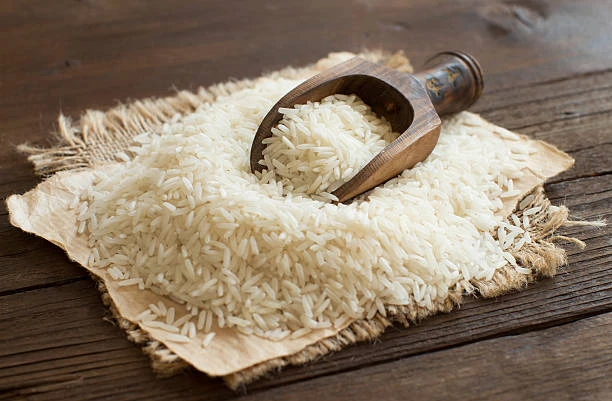

Sugandha Basmati Rice, renowned for its exceptional fragrance, is a popular variety of rice that has earned the title of the "King of Fragrance." This aromatic rice variety has gained immense popularity among rice connoisseurs and culinary enthusiasts worldwide. In this blog, we will delve into the origin, unique fragrance, nutritional value, culinary uses, health benefits, cultivation techniques, and other aspects that make Sugandha Basmati Rice stand out among its counterparts.
Origin of Sugandha Basmati Rice
Sugandha Basmati Rice finds its roots in the fertile plains of the Indian subcontinent, particularly in the states of Punjab, Haryana, and Uttar Pradesh. These regions provide the ideal climatic conditions and soil quality required for the cultivation of this fragrant rice variety. The name "Sugandha" itself translates to "fragrance" in Hindi, signifying the aromatic nature of this rice.
Unique Fragrance of Sugandha Basmati Rice
One of the defining characteristics of Sugandha Basmati Rice is its captivating aroma. When cooked, the grains release a distinct and appetizing fragrance that permeates the air and enhances the overall dining experience. This fragrance can be attributed to the natural essential oils present in the rice grains, which are responsible for its unique scent. The aroma of Sugandha Basmati Rice is often described as floral, nutty, and reminiscent of pandan leaves.
Nutritional Value of Sugandha Basmati Rice
Sugandha Basmati Rice not only tantalizes the senses but also offers several nutritional benefits. This rice variety is a rich source of carbohydrates, providing a sustained release of energy. It also contains essential vitamins and minerals, including vitamin B6, iron, and magnesium. Additionally, Sugandha Basmati Rice is low in fat and sodium, making it a healthy choice for individuals seeking a balanced diet.
Culinary Uses and Popularity
Due to its delightful fragrance and delicate flavor, Sugandha Basmati Rice is a preferred choice for various culinary preparations. It serves as an excellent accompaniment to aromatic curries, biryanis, pulao, and other rice-based dishes. The long and slender grains of Sugandha Basmati Rice remain separate and fluffy when cooked, adding an appealing texture to the dishes. Its popularity has soared in international markets, where it is widely used in diverse cuisines.
Health Benefits of Sugandha Basmati Rice
Apart from its culinary appeal, Sugandha Basmati Rice offers numerous health benefits. As a complex carbohydrate, it provides sustained energy release, making it an ideal choice for athletes and individuals engaged in physically demanding activities. The low fat and sodium content contribute to maintaining cardiovascular health. Additionally, the presence of dietary fiber aids in digestion and promotes a healthy digestive system.
Cultivation and Harvesting Techniques
The cultivation of Sugandha Basmati Rice requires meticulous care and attention. Farmers employ traditional methods and organic practices to ensure the highest quality and fragrance. The rice fields are flooded with water to allow the crop to grow in a moist environment. Once the grains reach the desired maturity, they are carefully harvested by hand to prevent damage. The traditional cultivation techniques contribute to the unique aroma and flavor of Sugandha Basmati Rice.
Quality and Grading of Sugandha Basmati Rice
To ensure consistent quality, Sugandha Basmati Rice undergoes strict grading procedures. The grains are evaluated based on factors such as length, aroma, texture, and purity. The top-quality grains are classified as "Super Basmati" and are highly sought after in the market. The grading system helps consumers identify and select the finest Sugandha Basmati Rice for their culinary needs.
Comparison with Other Varieties of Basmati Rice
While there are various types of Basmati Rice available, Sugandha Basmati Rice stands out due to its remarkable fragrance. It is often compared to other popular Basmati varieties, such as Pusa Basmati and 1121 Basmati, but Sugandha Basmati Rice holds its own unique place. The floral and nutty aroma sets it apart, making it a preferred choice for those seeking an elevated dining experience.
Tips for Cooking Perfect Sugandha Basmati Rice
To achieve perfectly cooked Sugandha Basmati Rice, follow these simple tips:
Rinse the rice thoroughly to remove excess starch.Soak the rice in water for approximately 30 minutes before cooking.Use the ratio of 1.5 cups of water for every cup of rice.Cook the rice on low heat and cover the pot to ensure even cooking.Allow the rice to rest for a few minutes after cooking before fluffing it with a fork.Storing Sugandha Basmati Rice
Proper storage is crucial to maintain the quality and fragrance of Sugandha Basmati Rice. Store it in an airtight container in a cool and dry place away from direct sunlight. Avoid exposure to moisture, as it can cause the rice to lose its aromatic qualities. When stored correctly, Sugandha Basmati Rice can retain its fragrance and taste for an extended period.
Sustainability and Environmental Impact
The cultivation of Sugandha Basmati Rice follows sustainable agricultural practices that minimize the environmental impact. Organic farming methods, such as natural pest control and efficient water management, are employed to maintain soil fertility and conserve resources. By supporting the cultivation of premium Basmati Rice, consumers contribute to sustainable agriculture and the preservation of traditional farming practices.





























Sign in to leave a comment.