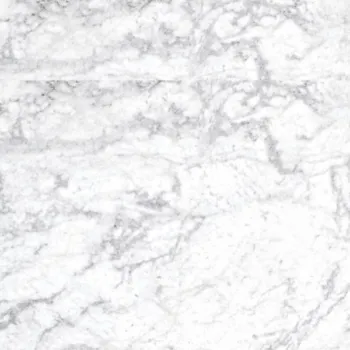

The Finish Decision Is More Important Than Most Buyers Realize
People spend a lot of time choosing the right marble. The color, the veining, the origin. But the surface finish? That often gets decided last, almost as an afterthought. And that's where things go wrong.
When you're working with Indian marble manufacturers in India to source stone for a project, the finish you choose affects almost everything — how the marble looks day-to-day, how it ages, how much maintenance it needs, and whether it's actually safe for the space you're putting it in. Getting this decision right early saves time, money, and a fair amount of regret.
The Main Finish Options and What They Actually Do
Polished is what most people picture when they think of marble. High shine, reflective, brings out color and veining depth in a way no other finish does. It looks luxurious and photographs well. The trade-off is that it shows scratches, water spots, and etching more readily than other finishes. For a bathroom countertop or a formal living room floor that sees light traffic, it works well. For a busy kitchen or a commercial entrance that gets heavy foot traffic, you'll be maintaining it constantly.
Honed has a matte or satin surface. Less reflective, softer looking, and significantly more forgiving. Small scratches blend in rather than catching the light. Etching still happens — marble is calcium carbonate and it reacts to acids regardless of finish — but it's much less visible on a honed surface. A lot of designers prefer honed marble in kitchens and bathrooms for this reason.
Leathered or brushed finishes have a textured surface that hides both scratches and dust. They also add grip, which matters in wet areas. This finish has become more popular in recent years, especially for flooring in outdoor areas and heavy-use commercial spaces. The texture does mean slightly more effort when cleaning because debris can settle into the surface pattern.
Sandblasted is mostly used for exterior applications or feature walls where slip resistance or a rougher aesthetic is the goal. It's not commonly specified for interior floors or countertops.
How the Finish Changes What You Get From the Same Stone
This is the part buyers often don't expect. The same marble slab, processed with different finishes, looks like a different material. Polished Makrana white has an almost mirror-like quality. The same stone honed looks calm and understated. Leathered, it reads almost industrial.
This isn't just a style preference — it changes the perceived color too. Polished finishes intensify color and make veining appear deeper. Honed and leathered finishes make the same stone look lighter and more neutral. If you're matching marble to other materials in a space, like wood or metal fixtures, the finish affects whether those pairings work.
What to Confirm With Your Manufacturer Before Ordering
Ask for finish samples on the actual stone you're buying, not a generic sample of the finish type. Different marble types respond differently to the same finishing process. A leathered finish on a dense Indian granite looks nothing like a leathered finish on a softer white marble.
Check whether the finish affects sealant requirements. Polished marble is generally less porous at the surface, but honed marble absorbs sealant differently and may need resealing more often depending on use.
If you're ordering for a commercial project, confirm slip resistance ratings for the finish you've chosen. This is a compliance requirement in many applications and something that responsible manufacturers will have documentation for.
Why Tripura Stones Gets This Right
Tripura Stones provides finish samples from the actual production lot before any order is confirmed. They don't send generic display pieces — you see the real material in the finish you've specified. For projects where multiple finishes are being used across the same stone type, they can process test pieces so you can compare them side by side before committing.
The team also gives straightforward guidance on finish suitability by application. Not a sales pitch — practical input on what holds up where, based on direct experience with how different Indian marble types perform under different finishing processes. That kind of specific knowledge is harder to find than it should be.
Conclusion
Surface finish isn't a detail to sort out at the end. It shapes how marble looks, how it wears, and whether it's right for the space it's going into. Polished works where aesthetics are the priority and maintenance is manageable. Honed is more practical for everyday-use areas. Leathered and brushed finishes suit high-traffic or outdoor applications. Make the finish decision early, get samples from the actual material, and ask your manufacturer direct questions about performance — not just appearance.
FAQs
Does the surface finish affect how often marble needs to be sealed? Yes. Honed marble is generally more porous at the surface than polished marble, so it tends to absorb liquids more quickly and may need sealing more regularly. The specific stone type also matters — denser marble needs less sealing regardless of finish.
Which finish is best for a kitchen countertop? Honed is the most practical choice for kitchens. It hides everyday wear better than polished marble and makes etching from acidic foods less visible. Polished is fine if you're prepared to maintain it and the kitchen sees light use.
Can the same marble be ordered in different finishes for different areas? Yes, and it's done fairly often on larger projects. Just confirm with your supplier that they're processing all pieces from the same stone lot, because finish differences make color variation more obvious when the base material isn't consistent.
Is a leathered finish harder to clean? Slightly. The textured surface can trap fine dust and debris more than a flat polished surface. A soft brush or damp cloth handles it fine in most cases, but it's worth knowing before you specify it for a high-dust environment.
Do Indian marble manufacturers offer custom finishes? Most established manufacturers offer polished, honed, and leathered as standard. Some also offer brushed, sandblasted, and water-jet textured finishes depending on their equipment. It's worth asking about lead time for non-standard finishes before locking in your project schedule.




























Sign in to leave a comment.