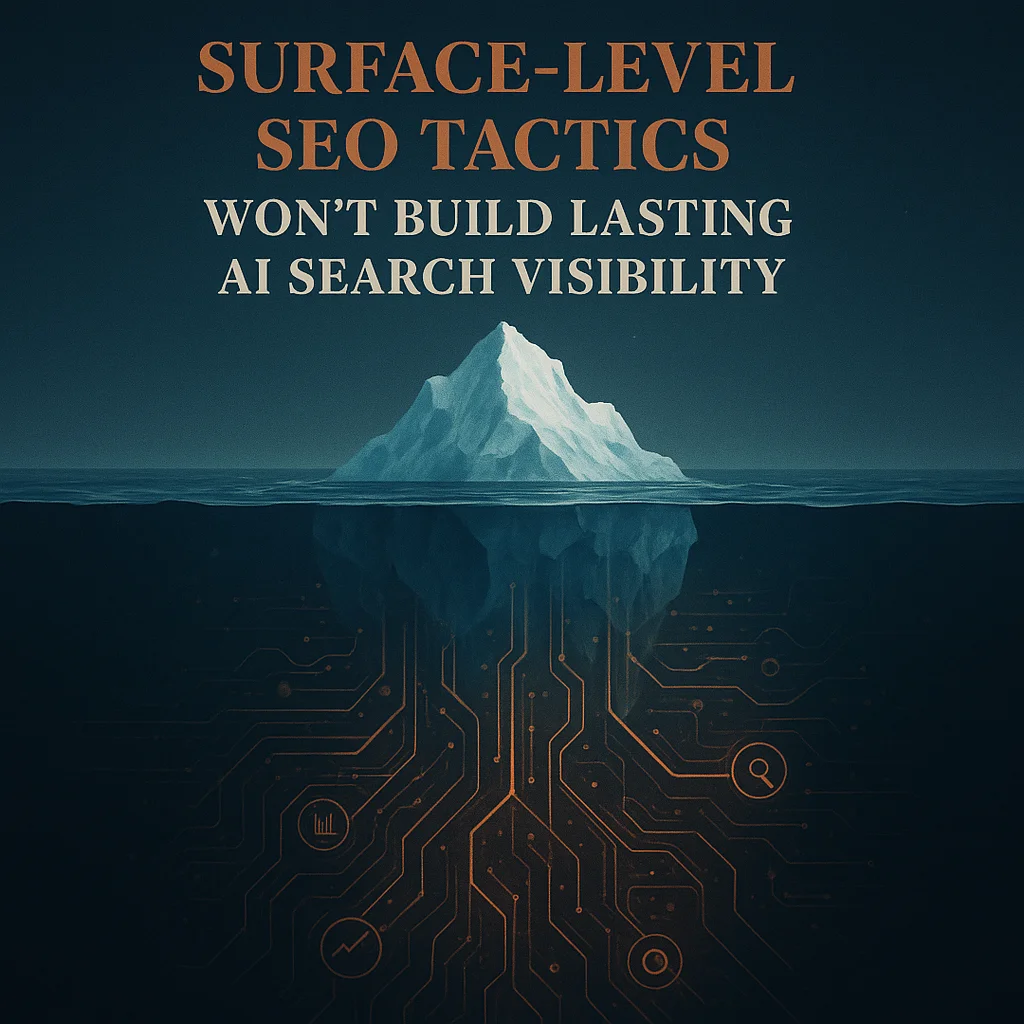

The Rising Stakes of AI-Powered Search: Why This Matters Now
The rapid integration of AI technology into search engines is transforming how users find information and how brands appear in search results. Surface-level SEO tactics that once delivered quick wins no longer suffice in this evolving landscape. With AI models increasingly interpreting intent and context rather than just keywords, businesses need to rethink their entire SEO strategy to maintain and grow visibility.
What Has Changed with AI Search?
Traditional SEO revolved around optimizing for keyword rankings, backlinks, and technical site factors. However, AI-powered search engines employ advanced natural language understanding, semantic analysis, and user intent modeling. This shift means that search algorithms are less reliant on exact keyword matches or simple backlink profiles and more focused on the overall authority, trustworthiness, and context of content.
According to a recent TechRadar article on agentic search optimization, brands that merely tweak meta tags or crank out keyword-stuffed pages without addressing deeper content quality and user engagement metrics are increasingly invisible in AI-powered search results. This agentic approach—where AI evaluates brand authority and content relevance holistically—reshapes visibility in fundamental ways.
Why Surface-Level SEO Tactics Fail in AI Search
1. Keyword Stuffing and Shallow Content Are Penalized More Severely
AI algorithms excel at detecting content that lacks depth or is overly optimized for keywords rather than users. Thin pages or those with repetitive keyword use trigger quality filters, pushing such content further down rankings. Unlike past updates, AI models evaluate semantic richness and coherence, making superficial optimizations ineffective.
2. Link Quantity Without Contextual Relevance Is Ineffective
Link building remains important, but AI search favors links from genuinely authoritative sources with topical relevance. Bulk link schemes or irrelevant backlinks no longer move the needle. Instead, AI assesses how backlinks fit within the broader knowledge graph around a brand or topic.
3. Ignoring User Experience Undermines Visibility
AI-enhanced ranking factors incorporate user engagement signals such as dwell time, bounce rates, and interaction quality. Surface-level tactics often ignore these metrics, resulting in poor user satisfaction and consequently lower rankings.
4. Static Content Fails to Meet Dynamic User Intent
AI search evolves alongside user behavior. Static, outdated content optimized for yesterday’s queries won’t satisfy emerging intent patterns. Websites must continuously update and enrich their content to align with evolving search demands.
What This Means for You: Actionable Steps to Build Lasting AI Search Visibility
1. Invest in Comprehensive Content Strategy Focused on Depth and Relevance
- Conduct thorough topic research to understand user intent beyond keywords.
- Create content that answers questions holistically, incorporating data, expert insights, and multimedia elements.
- Use semantic SEO tools (e.g., Clearscope, SurferSEO) to ensure topical coverage and natural language alignment.
2. Build Authoritative, Contextual Backlinks Organically
- Focus on earning links from reputable industry sites, thought leaders, and relevant communities.
- Engage in genuine collaborations such as guest posts with editorial standards or joint research.
- Regularly audit backlinks to remove toxic or irrelevant links that can harm trust.
3. Optimize for User Experience and Engagement Metrics
- Improve site speed, mobile usability, and intuitive navigation.
- Incorporate interactive elements like FAQs, chatbots, or video content to increase dwell time.
- Monitor behavioral analytics closely using tools such as Google Analytics 4 and Hotjar to identify and fix engagement drop-offs.
4. Continuously Update and Expand Content to Reflect Changing User Needs
- Maintain a content calendar for regular reviews and refreshes of existing pages.
- Leverage AI-powered content gap analysis to discover emerging topics and questions.
- Integrate user-generated content or community insights to keep material relevant and dynamic.
5. Align SEO with Brand Authority and Trust Signals
- Ensure your brand presence is consistent across platforms, social channels, and review sites.
- Highlight credentials, awards, case studies, and customer testimonials prominently.
- Implement structured data (schema.org) to help AI better understand your brand and content context.
For a more strategic perspective on converting search visibility into business momentum, consider exploring our article SEO in the Digital Age: Turning Search Visibility into Business Momentum.
Avoiding Common Pitfalls in the AI Search Era
Many businesses fall into the trap of chasing quick fixes—such as bulk content creation or buying low-quality links—that once seemed to work. These tactics not only fail to create sustainable AI search visibility but can trigger algorithmic penalties. Google's John Mueller has emphasized that genuine value and user-centric content remain paramount, a principle that AI search reinforces rather than replaces.
Additionally, overreliance on technical SEO tweaks without improving content substance or brand authority offers diminishing returns. Technical excellence is necessary but not sufficient in isolation.
Integrating Advanced SEO Services to Future-Proof Your Visibility
As the AI landscape grows more complex, partnering with advanced SEO services that specialize in holistic optimization can deliver lasting results. These providers focus on comprehensive audits, content quality enhancement, semantic relevance, and reputation management. Learn how advanced SEO services create lasting visibility and digital authority for businesses.
What to Watch Next: Preparing for the Next Wave of AI Search Evolution
AI search technology will continue to advance rapidly, incorporating multimodal inputs (voice, images, video) and deeper personalization. Brands must prepare to optimize not only for text queries but for conversational and visual search interactions. Staying informed about emerging trends like agentic search optimization—the AI-driven evaluation of brand presence and content context—will be critical.
Tools that integrate AI-powered insights into SEO workflows will become indispensable, enabling marketers to anticipate algorithm changes and user behavior shifts more proactively. Monitoring official Google channels and industry thought leaders will help you stay ahead.
Ultimately, sustainable AI search visibility demands a pivot from surface-level tactics to a fully integrated, user-first SEO strategy that builds authority, relevance, and trust over time. As AI reshapes the search landscape, the brands that embrace this holistic approach will dominate their niches.
For those seeking actionable, step-by-step guidance on evolving their SEO in the AI era, our SEO as a Business Growth Engine article offers practical tactics to transform visibility into revenue.































Sign in to leave a comment.