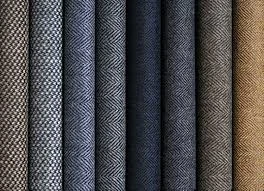
Sustainability is no longer just a trend in the fashion and textile industry—it is a necessity. As consumers become more conscious of environmental impact, sustainable fabrics are gaining importance across the globe, including in the Gulf region. From reducing pollution to promoting ethical production, sustainable fabrics play a vital role in shaping a better future for both the planet and the people who produce and wear textiles.
Why Sustainable Fabrics Matter
The conventional textile industry is one of the largest contributors to water pollution, carbon emissions, and waste. Many traditional fabrics rely on chemical-intensive processes, excessive water usage, and non-biodegradable materials. Sustainable fabrics help address these issues by minimizing environmental harm and supporting responsible production practices.
One of the biggest advantages of sustainable fabrics is their reduced environmental footprint. Fabrics made from organic or recycled materials require less water, fewer chemicals, and less energy to produce. This is especially important in regions with limited natural resources.
Sustainable fabrics also promote better health and comfort. Since they are often produced with fewer harmful chemicals, they are gentler on the skin and suitable for people with sensitivities. In a climate like the UAE’s, breathable and natural fabrics add comfort while aligning with eco-conscious values.
From an ethical perspective, sustainability often goes hand in hand with fair labor practices. Supporting sustainable textiles means supporting safer working conditions and fair wages for workers in the supply chain. When you choose to buy from a responsible fabric shop in Dubai you are contributing to a more transparent and ethical textile industry.
How to Spot Sustainable Fabrics
Identifying sustainable fabrics doesn’t have to be complicated. Here are a few practical tips to help you make informed choices.
Check the fiber source. Natural and renewable fibers such as organic cotton, linen, hemp, bamboo, and Tencel™ are generally more sustainable than synthetic options. Recycled fibers, like recycled polyester, are also a better alternative to virgin materials.
Look for certifications. Trusted certifications such as GOTS (Global Organic Textile Standard), OEKO-TEX®, and FSC indicate that the fabric meets certain environmental and safety standards. Many reputable fabric suppliers clearly mention these certifications.
Understand the production process. Sustainable fabrics are often dyed using low-impact or natural dyes and produced with minimal chemical treatment. A reliable fabric shop in Dubai will usually provide information about how and where the fabric is made.
Consider durability and care. Sustainability is also about longevity. Fabrics that last longer and require less frequent washing help reduce waste and energy consumption over time.
Ask questions. Whether shopping online or in-store, don’t hesitate to ask about sourcing, materials, and production methods. Transparency is a strong sign of sustainability.
Final Thoughts
Sustainable fabrics matter because they protect the environment, support ethical practices, and offer healthier, high-quality textile options. As demand grows, more designers, businesses, and consumers are making responsible choices. By choosing sustainable materials from a trusted fabric shop in Dubai, you are not just buying fabric—you are investing in a cleaner, fairer, and more sustainable future.


























Sign in to leave a comment.