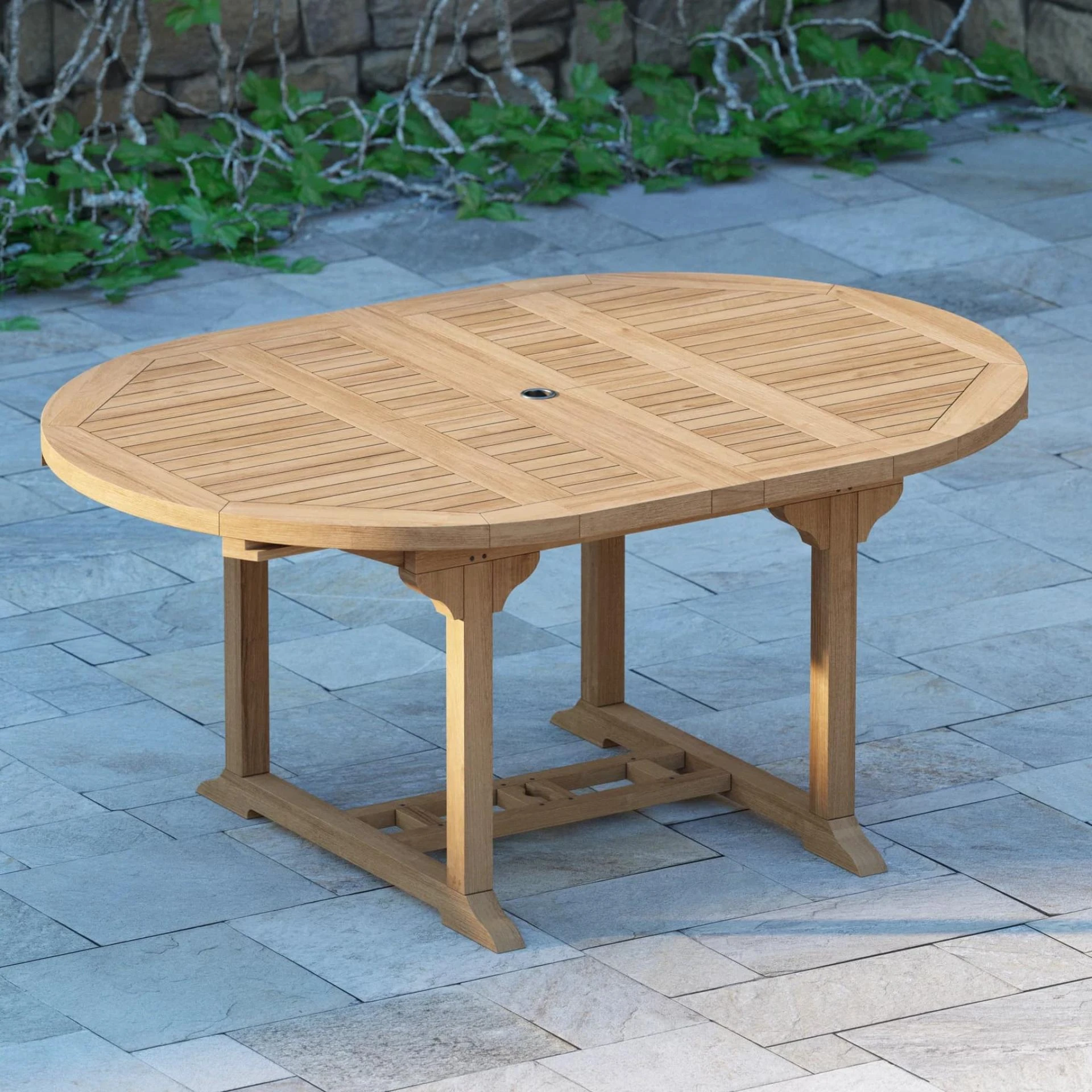

In recent years, the demand for sustainable and environmentally friendly products has increased significantly. Eco-conscious buyers are actively seeking furniture that not only enhances their living spaces but also aligns with their values of responsible consumption and environmental stewardship. Teak furniture has emerged as a popular choice among these buyers due to its unique combination of durability, natural beauty, and sustainability. This article explores why teak furniture stands out as an ideal option for those who prioritize eco-friendly living.
Understanding Teak Furniture and Its Environmental Impact
What is Teak Wood?
Teak is a tropical hardwood native to Southeast Asia, known for its exceptional strength and natural resistance to water, insects, and decay. The qualities that make teak furniture long-lasting also contribute to its environmental benefits. Because of these properties, teak is often used for outdoor furniture, flooring, and boat building, where durability is essential.
Sustainability of Teak Wood
Sustainability is a key consideration for eco-conscious buyers. Responsible teak furniture is sourced from plantations or sustainably managed forests where trees are replanted to maintain ecological balance. This careful management ensures that teak harvesting does not lead to deforestation or habitat destruction. Certification systems such as the Forest Stewardship Council (FSC) provide assurances that teak wood comes from responsibly managed sources.
Why Teak Furniture Appeals to Eco-Conscious Buyers
Longevity Reduces Waste
One of the most significant environmental benefits of teak furniture is its longevity. Unlike cheaper furniture made from less durable materials that may need frequent replacement, teak furniture can last for decades. This durability means less waste is generated over time, reducing the demand for new raw materials and lowering the environmental footprint.
Minimal Chemical Treatment Required
Teak’s natural oils and dense grain protect it from moisture, pests, and fungi without the need for harmful chemical treatments or preservatives. This means eco-conscious buyers can enjoy furniture that is naturally resistant to the elements without exposure to toxic substances. The absence of chemical finishes benefits both the environment and indoor air quality.
Biodegradability and Recyclability
As a natural wood, teak furniture is biodegradable and can be recycled or repurposed at the end of its life cycle. Unlike synthetic materials or heavily treated woods, teak breaks down naturally without releasing harmful pollutants. This aligns with the principles of circular economy and sustainable resource use.
The Role of Sustainable Forestry in Teak Production
Plantation Grown Teak
Plantation-grown teak is increasingly common and plays a vital role in sustainable forestry. These plantations are managed to grow teak trees in a controlled and environmentally responsible manner. Replanting and harvesting cycles are carefully planned to minimize environmental impact.
Forest Stewardship and Certification
Certifications like FSC promote responsible forestry by ensuring that timber is harvested legally, sustainably, and with respect for workers and local communities. Eco-conscious buyers should look for teak furniture that carries such certifications to ensure their purchase supports sustainable practices.
Supporting Local Communities
Sustainably sourced teak furniture also contributes to the livelihoods of local communities engaged in responsible forestry and woodworking. By choosing certified teak, buyers support ethical labor practices and community development.
Additional Environmental Benefits of Teak Furniture
Carbon Sequestration
Teak trees, like all forests, play an essential role in capturing carbon dioxide from the atmosphere. Sustainable teak plantations contribute to carbon sequestration efforts by absorbing and storing carbon as they grow. Using teak furniture means supporting products that help mitigate climate change.
Reduced Energy Consumption in Manufacturing
The production of teak furniture typically involves less energy consumption compared to synthetic or metal furniture. Teak’s workability means it can be crafted with fewer intensive processes. This lower energy input reduces the carbon footprint associated with manufacturing.
Natural Aesthetic Reduces Need for Additional Finishes
Teak’s rich, golden hue and smooth texture mean that it often requires fewer additional finishes or paints, which can contain environmentally harmful chemicals. Many buyers appreciate the natural beauty of teak, which matures gracefully without losing appeal.
Practical Considerations for Eco-Conscious Buyers
Choosing Certified Teak Furniture
To ensure that teak furniture meets high environmental standards, buyers should seek products that are certified by recognized bodies such as the FSC. This certification confirms sustainable sourcing, ethical production, and environmental responsibility.
Maintenance and Longevity
While teak furniture is low maintenance, occasional care such as cleaning and oiling can prolong its life and appearance. Eco-conscious buyers who maintain their teak furniture properly maximize the environmental benefits by extending its useful life.
Considering Second Hand or Reclaimed Teak
Another environmentally friendly option is purchasing second-hand or reclaimed teak furniture. This practice extends the lifecycle of existing wood and reduces demand for new harvesting.
Styling and Functionality Without Compromise
Versatility of Teak Furniture
Teak furniture suits a wide range of styles from traditional to contemporary. Its adaptability means eco-conscious buyers do not have to sacrifice aesthetics or functionality when choosing sustainable products.
Outdoor and Indoor Use
Due to its durability and natural resistance, teak furniture is suitable for both outdoor gardens and indoor living spaces. This flexibility maximizes the value and usefulness of each piece, reducing the need for multiple types of furniture.
Complementing Other Sustainable Materials
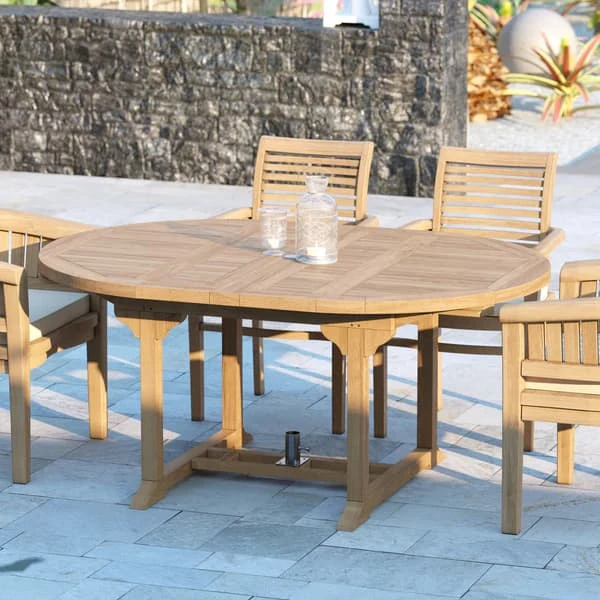
Teak pairs well with other eco-friendly materials such as organic cotton cushions, recycled metal frames, or natural stone accessories. Combining these elements helps create environmentally conscious and stylish spaces.
Conclusion
Teak furniture is a top choice for eco-conscious buyers due to its sustainability, durability, and natural beauty. Responsible sourcing and certification ensure that teak supports environmentally friendly forestry practices, while its longevity reduces waste and the need for frequent replacement. With minimal chemical treatment required and the ability to be recycled or repurposed, teak furniture aligns with the values of sustainability and ethical consumption.
For those seeking high-quality, sustainable teak furniture that combines elegance with environmental responsibility, Eterna Home offers a thoughtfully curated selection designed to meet these needs.












Sign in to leave a comment.