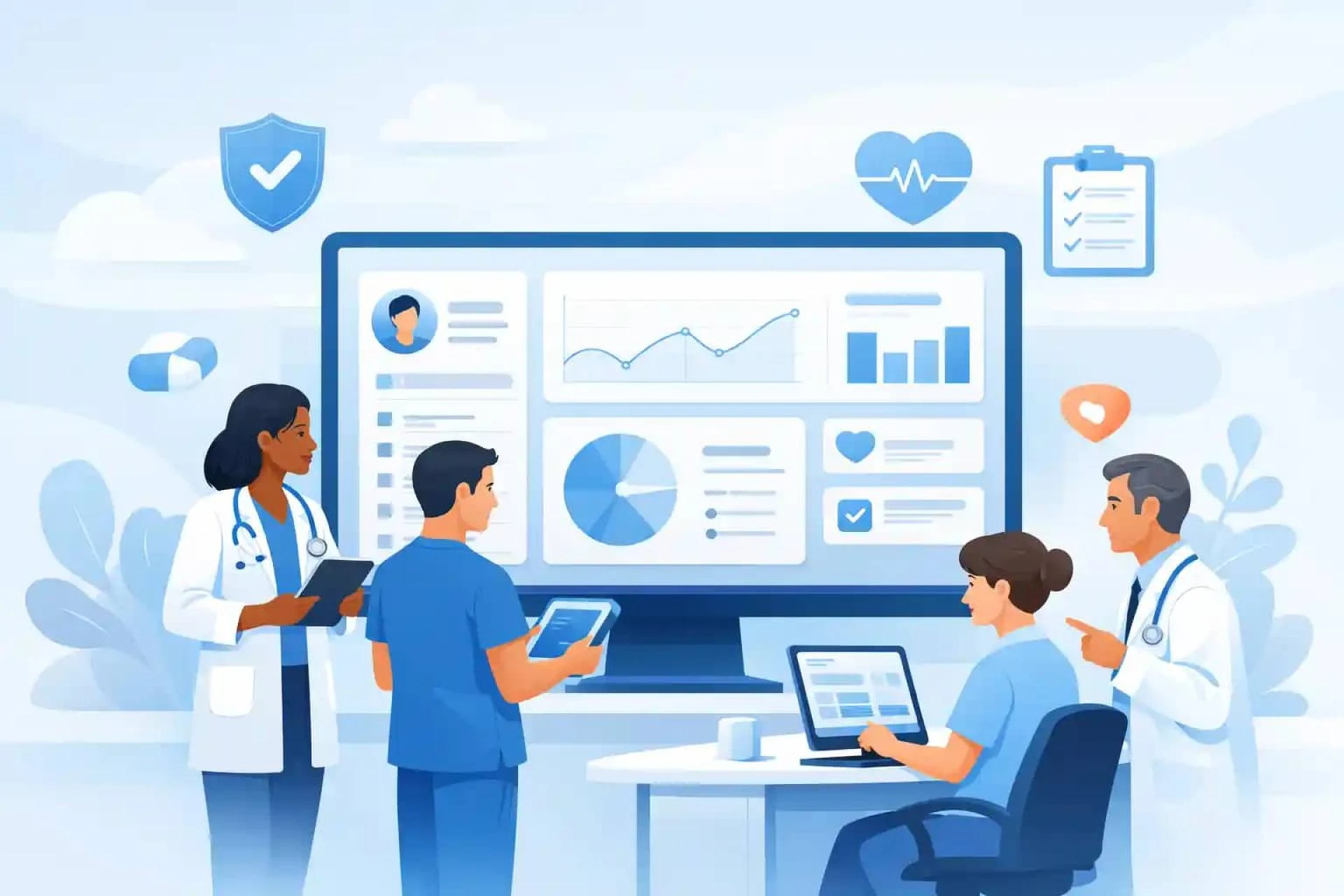

Introduction to Telemedicine and Its Importance in Healthcare
Telemedicine, also known as telehealth, is the remote delivery of healthcare services using telecommunication technologies. It includes video conferencing, remote monitoring, electronic consultations, and other forms of virtual communication between patients and healthcare providers.
With the rapid advancement of technology, telemedicine has emerged as a game-changer in the healthcare industry. It has revolutionized the way patients access medical care and has brought numerous benefits to both patients and healthcare providers.
Advantages of Cloud-based Telemedicine App Development
Cost-efficiency: One of the primary advantages of cloud-based telemedicine app development is its cost-effectiveness. With virtual consultations, patients can save travel expenses while doctors can reduce overhead costs associated with maintaining a physical clinic.
Accessibility: Telemedicine apps have made it possible for patients to consult with healthcare providers from anywhere at any time. This has greatly improved accessibility to medical care for individuals living in remote areas or those with limited mobility.
Real-time Communication: Unlike traditional appointments, where there may be delays due to factors like traffic or emergency cases, telemedicine apps allow real-time communication between doctors and patients without any interruptions.
Seamless Integration With Electronic Health Records (EHRs): Top-quality telemedicine apps are designed to seamlessly integrate with electronic health records (EHRs). This allows doctors to have access to their patients' medical history and provide more accurate diagnoses and treatment plans.
Features and Functionalities of a Top-quality Telemedicine App
Video Consultations: The most essential feature of a telemedicine app is video consultations. It enables remote face-to-face interactions between doctors and patients, ensuring effective communication for diagnosis and treatment purposes.
Appointment Scheduling: To streamline the process for both doctors and patients, top-quality telemedicine apps have appointment scheduling features that allow users to book appointments at their convenience without having to make multiple phone calls or visits.
Prescription Management: With the prescription management feature, doctors can send electronic prescriptions to patients through the app. This eliminates the need for physical prescriptions and makes it easier for patients to access their medication.
Remote Patient Monitoring: Telemedicine apps also have functionalities that allow remote patient monitoring. This is especially beneficial for individuals with chronic conditions as it enables doctors to track their progress and provide timely interventions when necessary.
Secure Messaging and Data Storage: Top-quality telemedicine apps prioritize data security by providing secure messaging features that enable encrypted communication between doctors and patients. They also have secure data storage systems to ensure the confidentiality of patient information.
Telemedicine apps are transforming healthcare by making medical care more accessible, cost-efficient, and convenient for both patients and healthcare providers. With its numerous advantages and top-quality features, it is no surprise that telemedicine has gained widespread adoption in recent years.
Best Practices for Developing a Successful Cloud-based Telemedicine App
The use of telemedicine apps has seen a significant rise in recent years, especially with the ongoing global pandemic. These apps have revolutionized healthcare by providing accessible and convenient medical services to patients remotely. However, developing a successful cloud-based telemedicine app comes with its own set of challenges. In this section, we will discuss some best practices that can help in overcoming these challenges and ensure the success of your telemedicine app.
User-centered Design: User-centered design is crucial when developing any app, and it becomes even more critical for a telemedicine app. It is essential to keep in mind that users may not be tech-savvy or may have limited technical knowledge. Therefore, the interface and user experience should be simple, intuitive, and user-friendly. The overall design should focus on making it easy for patients to access medical services and connect with healthcare providers seamlessly.
Compliance With HIPAA Regulations: Another crucial aspect of developing a successful telemedicine app is compliance with HIPAA regulations. The Health Insurance Portability and Accountability Act (HIPAA) sets strict guidelines for protecting sensitive patient information. As telemedicine involves the transmission of personal health data over digital platforms, ensuring compliance with HIPAA regulations is vital to maintain patient privacy and security. This includes implementing proper encryption protocols, having secure login procedures, and conducting regular risk assessments, among other measures.
Integration with Third-party Services: Integration with third-party services also plays a significant role in enhancing the functionality of a telemedicine app. For instance, integrating electronic health records (EHR) systems allows doctors to access patient records directly from the app during virtual consultations. Similarly, integration with pharmacy services enables doctors to e-prescribe medications directly through the app, saving time for both doctors and patients.
Challenges in Developing a Telemedicine App
One major challenge is creating an efficient communication system between patients and healthcare providers through the app while ensuring real-time interactions without any connectivity issues or delays.
Another challenge is designing an effective prescription management system within the app. This involves making sure that prescriptions are accurately recorded, updated, and easily accessible for both patients and doctors.
Developing a successful cloud-based telemedicine app requires a user-centered design approach, compliance with HIPAA regulations, and integration with third-party services. While there may be challenges in the process, following these best practices can help overcome them and ensure that your telemedicine app provides efficient and reliable healthcare services to patients.
Conclusion
Telemedicine apps have revolutionized the way healthcare is delivered. With their convenience, accessibility, and cost-effectiveness, they are transforming the traditional healthcare system into a more patient-centered and efficient one. As technology continues to advance, we can only imagine the potential for further improvements in telemedicine apps and how they will continue to benefit patients worldwide. By embracing this innovative approach to healthcare, we can look forward to a future where quality medical care is just one click away.






























Sign in to leave a comment.