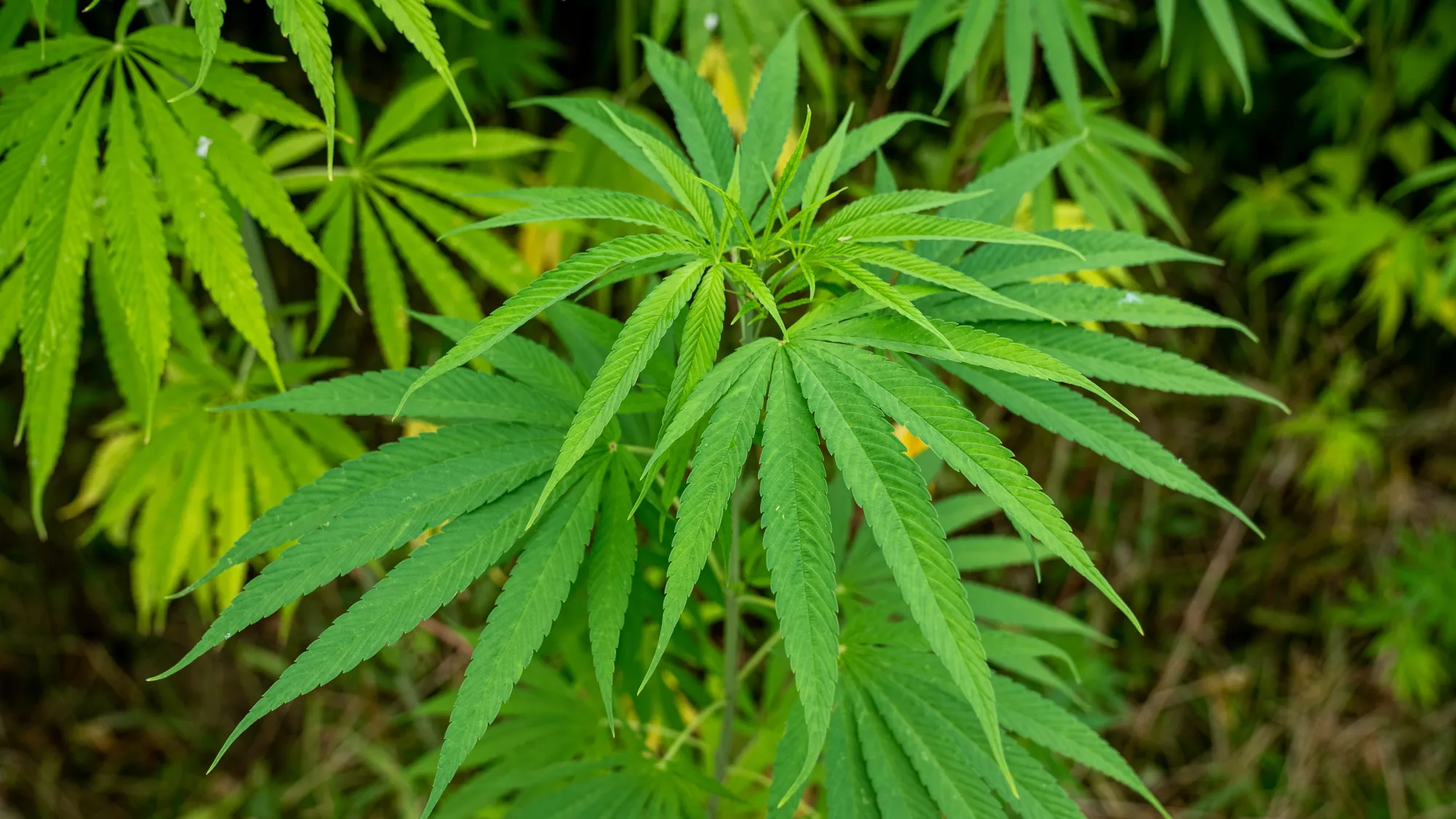

Most cannabis shoppers check THC first.
Fair enough. It’s right there on the label, and it gives people something quick to compare. A higher number feels like the obvious thing to notice.
But then you open the jar.
One product smells like lemon peel. Another has that piney, almost forest-floor thing going on. Another one is sweeter, softer, maybe a little floral. Same general category, completely different first impression.
That is where terpenes start to matter. They are the natural aroma compounds found in cannabis, hemp, and plenty of everyday plants, including citrus, lavender, rosemary, and pine.
Terpenes Help Shape Aroma and Flavor
Cannabis has a smell before it has anything else.
Sometimes that smell is sharp and citrusy. Sometimes it is earthy. Sometimes it is peppery enough to make the whole room notice. Those little differences are usually tied to terpenes.
This is part of what makes browsing THCA flower more interesting than just comparing percentages on a screen. Two products can sit in the same category and still have totally different aroma and flavor notes.
That does not mean every shopper needs to memorize terpene charts. Most people won’t, and that’s fine.
But noticing patterns helps. Maybe you keep going back to citrus-heavy options. Maybe pine or herbal notes are more your thing. Terpenes give people a better language for those preferences.
Terpenes Add Context Beyond THC
THC gets treated like the whole scoreboard.
It isn’t.
A percentage can tell you how much THC is in a product, but it won’t tell you much about the smell, the flavor, the freshness, or why two options with similar numbers don’t seem all that similar once you open them.
That’s where the rest of the plant profile comes in. Terpenes are part of that picture, along with cannabinoids and other naturally occurring compounds. Researchers have also identified terpenes as major contributors to cannabis aroma, which aligns with what many shoppers already notice with their own noses.
So no, terpenes aren’t some secret code that predicts everything. That’d be way too easy.
But they do give consumers more to work with than a single number.
Common Terpenes Consumers May See
You don’t need a science degree to recognize a few common terpene names.
You’ll see myrcene mentioned often. It’s usually connected with earthy, musky, or herbal aroma notes. Limonene is the citrusy one, so think lemon peel or orange zest. Pinene is pretty much what it sounds like: crisp, piney, and a little outdoorsy.
Then there’s linalool, which is often tied to softer floral notes, including lavender-like aromas. Caryophyllene tends to show up in conversations about peppery or spicy scents.
The important thing is not to treat these like hard rules. A cannabis product can contain several terpenes at once, and the mix is what makes the aroma feel more layered.
A shopper may not remember every terpene name later. That’s fine. Remembering “I usually like citrus–forward flower” or “peppery notes aren’t my thing” is still useful.
Freshness and Storage Can Affect Terpenes
Terpenes don’t stick around forever.
Heat, light, air, and time can all change the way cannabis smells and tastes. That’s why an older product may seem flat, even if the label still looks fine. The aroma just isn’t as clear as it once was.
Good storage helps. Many consumers keep flower in an airtight container and store it somewhere cool, dry, and away from direct sunlight. Nothing fancy. Just don’t leave it baking near a window or sitting open for too long.
Conclusion: The Bottom Line
THC is usually the first thing people check. No surprise there.
It’s right on the label, it’s easy to compare, and it gives shoppers a starting point. But it shouldn’t be the only detail doing all the work.
A product’s aroma can tell its own story. One option might open with citrus. Another might lean earthy, floral, piney, or spicy. Those details help consumers compare products in a way that feels more natural than staring at percentages alone.
No one needs to study every terpene name before shopping. Honestly, most people won’t. But noticing aroma and flavor patterns can make the process feel less like a guess.





























Sign in to leave a comment.