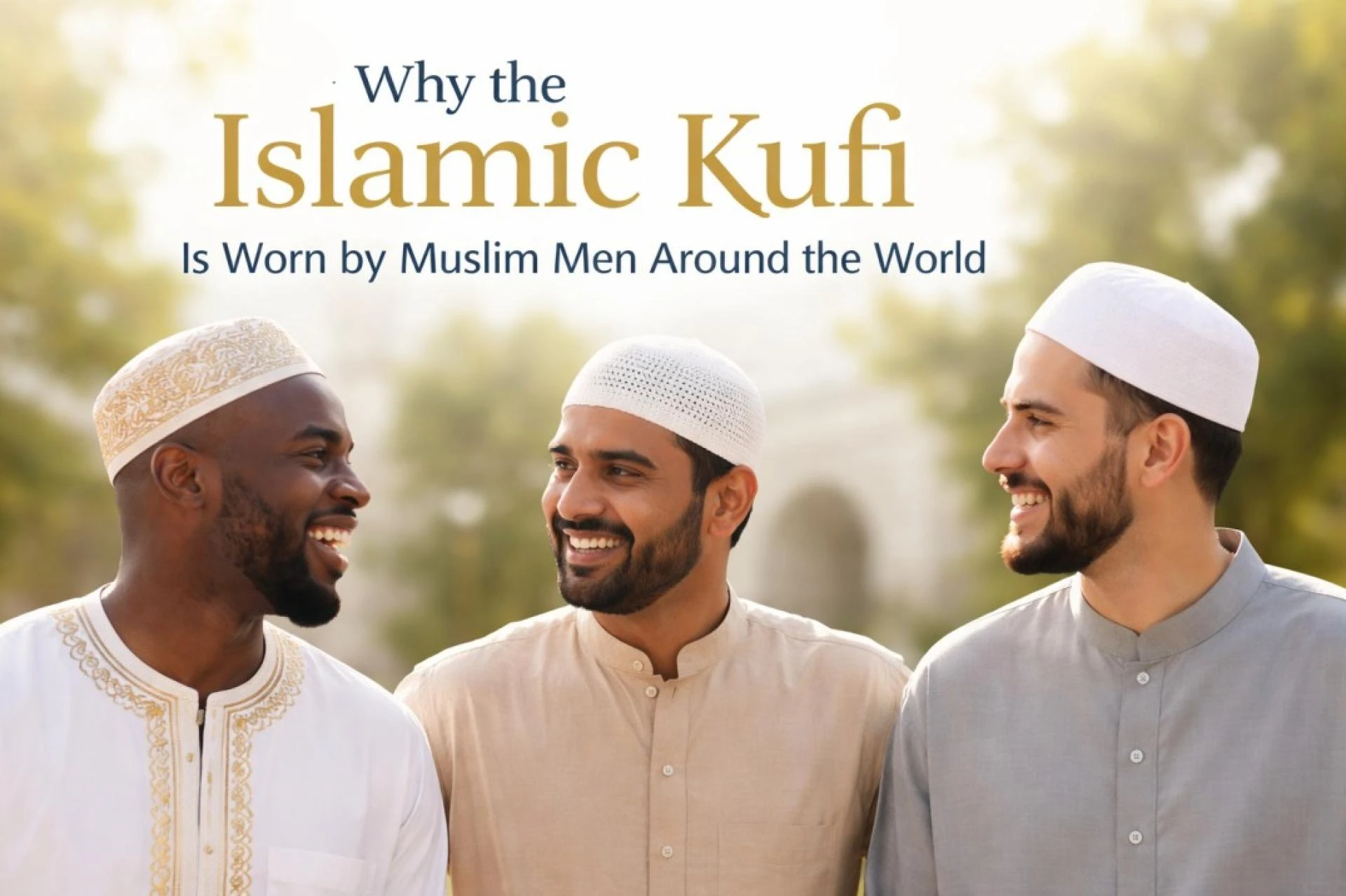
The Islamic kufi is one of the most recognizable pieces of Muslim men’s clothing. You can see it worn in mosques, at home during prayer, and at religious gatherings across different cultures and countries. From Africa and the Middle East to South Asia, Europe, and North America, the kufi continues to hold spiritual, cultural, and practical importance.
But why is it worn so widely, and what does it truly represent? This article explains the meaning, history, and everyday relevance of the Islamic kufi in a simple and easy way.
The Religious Significance of the Islamic Kufi
In Islam, modesty and cleanliness are highly valued, especially during prayer. Covering the head is considered a sign of respect and good manners (adab) while standing before Allah. While wearing a kufi is not obligatory, it is inspired by the practices of the Prophet Muhammad (peace be upon him) and generations of scholars after him.
Many Muslim men wear an Islamic kufi during Salah (prayer) to maintain focus and spiritual discipline. It serves as a reminder of humility and devotion, helping the wearer mentally prepare for worship.
A Practice Rooted in History
The use of head coverings predates Islam and was common in many ancient cultures. Over time, Muslims adopted the kufi as part of their religious and cultural dress. As Islam spread across regions, the design and materials of the kufi evolved based on local traditions and climates.
For example:
- In warmer regions, kufis are often made from light cotton or net fabric
- In cooler areas, thicker knit kufis are more common
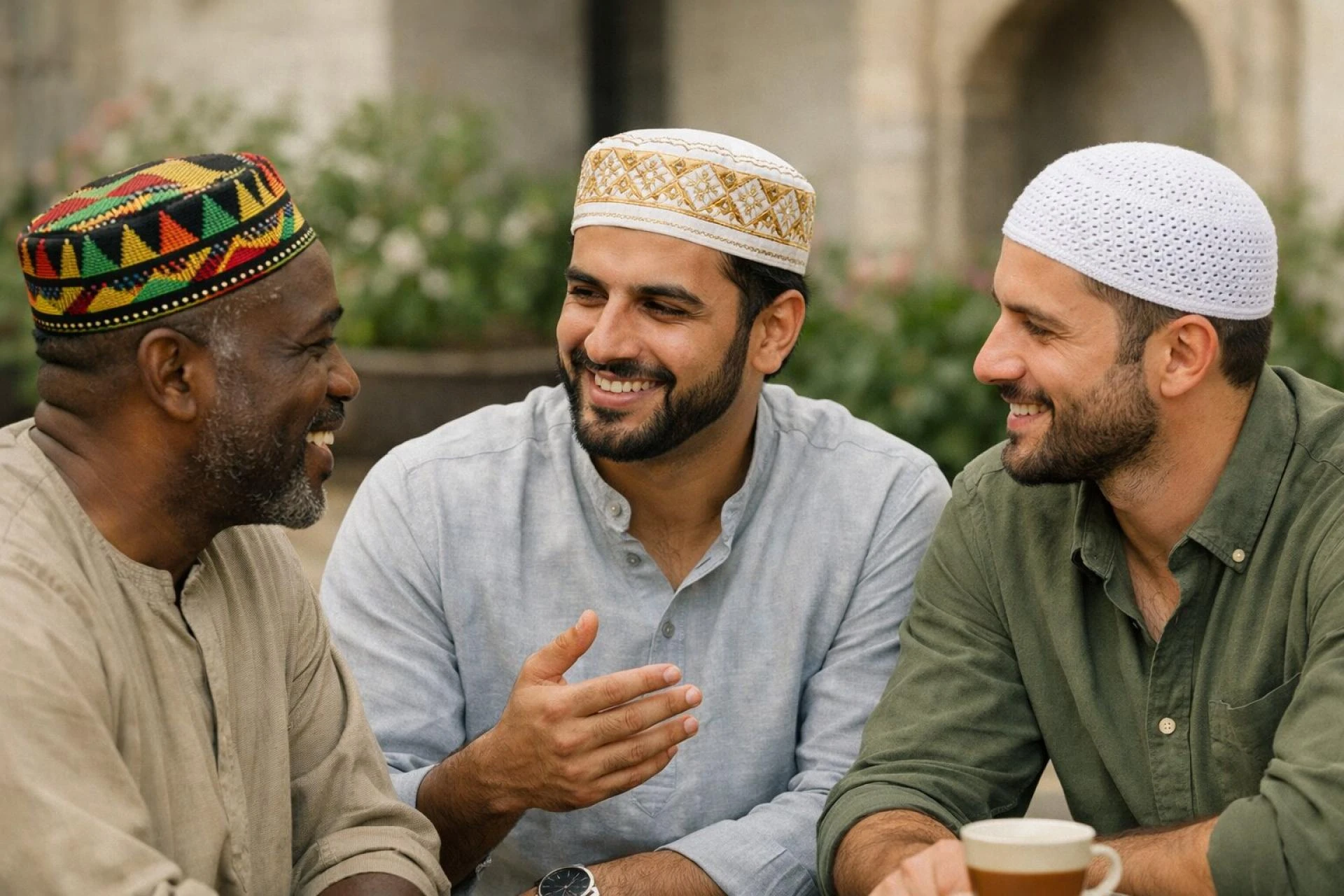
- Some cultures prefer plain white kufis, while others wear embroidered or patterned styles
Despite these differences, the purpose remains the same — modesty, respect, and identity.
Cultural Identity and Unity
One of the reasons the Islamic kufi is worn by Muslim men worldwide is its ability to represent unity within diversity. A Muslim in Nigeria, Turkey, Indonesia, or the United States may wear different styles of kufi, but the meaning behind it stays consistent.
Wearing a kufi cap for men also helps preserve cultural identity, especially for Muslims living in non-Muslim-majority countries. It quietly expresses faith without words and connects the wearer to a global Muslim community.
Practical Comfort and Everyday Use
Beyond its spiritual value, the Islamic kufi is also practical. It:
- Helps keep the head clean during prayer
- Absorbs sweat, especially during long prayers
- Keeps hair neat under scarves or turbans
- Offers comfort for daily wear at home or the mosque
Because of this, many men choose to wear a kufi cap for men not only during prayer but also while reading the Quran, attending Islamic classes, or during Ramadan and Friday Jumu’ah prayers.
Modern Use of the Islamic Kufi
Today, the Islamic kufi is no longer limited to traditional settings. Many Muslim men wear it casually, pairing it with modern clothing while maintaining modesty. Simple, neutral-colored kufis blend easily with everyday outfits, making them suitable for daily routines.
Modern kufis are designed with:
- Stretchable fabric for better fit
- Breathable material for long wear
- Minimal stitching for comfort during prostration
This balance between tradition and modern comfort is one reason the kufi remains relevant today.
Choosing the Right Kufi
When selecting an Islamic kufi, comfort and fit are important. Some men prefer lightweight net kufis for hot climates, while others choose knit or cotton styles for durability. The choice often depends on personal preference, weather, and how frequently it will be worn.
If someone is looking for well-made kufis or Islamic headwear that balances comfort and modest design, there are online stores that specialize in Islamic clothing. For example, Shannoh offers a range of kufis and Islamic hats designed for prayer and daily wear, making it easier for people to find suitable options without compromising quality or comfort.
Why the Islamic Kufi Still Matters
In a fast-changing world, the Islamic kufi continues to symbolize faith, humility, and identity. It is worn not because it is required, but because it carries meaning. For many Muslim men, wearing a kufi is a personal expression of devotion and respect for prayer.
Whether worn daily or only during worship, the Islamic kufi remains a simple yet powerful part of Muslim life around the world.


























Sign in to leave a comment.