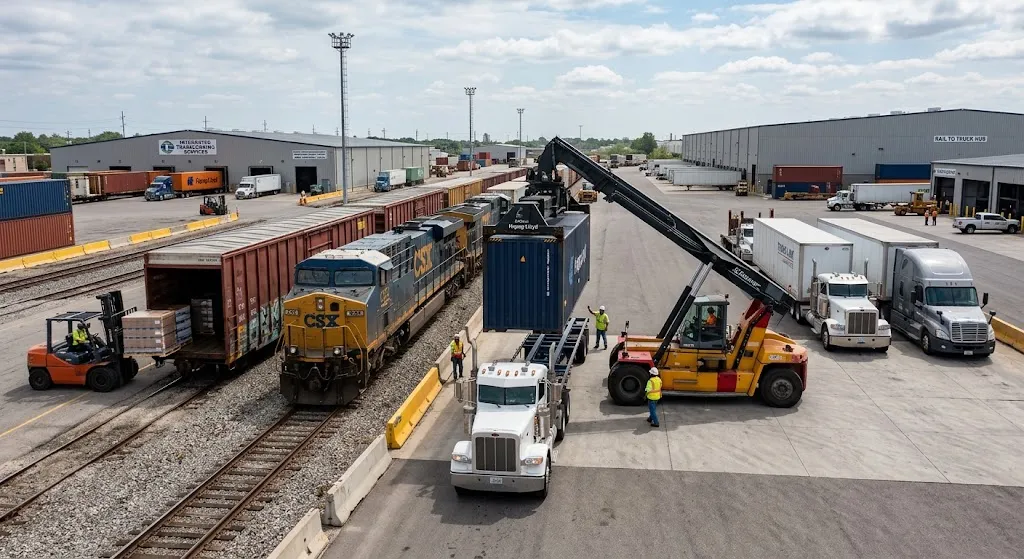

Modern supply chains depend on speed, flexibility, and the ability to adapt when transportation conditions change. Businesses often need to move products across long distances using a combination of trucks, rail networks, ports, and distribution centers. However, relying on a single transportation method can create unnecessary costs and delays. This is where transloading services play an important role. By transferring freight from one mode of transportation to another, transloading helps businesses build more efficient shipping strategies while responding to the changing demands of modern logistics.
Making Better Use of Multiple Transportation Modes
One of the biggest advantages of transloading is its ability to connect different forms of transportation. For example, goods may arrive by rail or ocean container and then be transferred to trucks for final delivery. This approach allows companies to select the most practical transportation option for each stage of the journey. Rail can support cost-effective long-distance movement, while trucks provide the flexibility needed for regional and local deliveries. As a result, freight can move through the supply chain using a combination of transportation methods rather than forcing one option to handle the entire route.
Reducing Transportation Costs
Transportation costs can quickly increase when businesses use inefficient routes or fail to match freight with the right shipping method. Transloading creates opportunities to reduce these expenses by helping companies consolidate shipments, optimize routes, and use lower-cost transportation for appropriate portions of a journey. A shipment may travel a long distance by rail before moving to trucks closer to its destination, for instance. This type of planning can reduce dependence on more expensive long-haul trucking while maintaining reliable delivery options. Over time, a well-managed transloading strategy can support stronger control over overall freight spending.
Improving Speed and Supply Chain Flexibility
Efficiency is not only about reducing costs. It is also about keeping products moving when schedules, demand, or transportation capacity change. Transloading gives shippers more flexibility to adjust freight movements as conditions evolve. If a direct route becomes impractical, businesses may have additional options for redirecting cargo through another transportation network. Likewise, freight can be transferred closer to the destination to support faster regional distribution. This adaptability is increasingly valuable for companies managing complex supply chains, seasonal demand, and varying customer delivery expectations.
Supporting Better Inventory Distribution
Transloading can also improve how businesses position inventory throughout their distribution networks. Instead of moving every shipment directly from its origin to individual destinations, companies can use strategic transfer points to sort, consolidate, or redistribute freight. Products can then be sent where demand is strongest. This approach may reduce unnecessary storage and transportation steps while helping businesses respond more effectively to changing inventory requirements. In practice, better freight coordination can contribute to smoother warehouse operations and improved product availability.
Helping Businesses Handle Growing Freight Complexity
As supply chains become more interconnected, freight management requires greater coordination between carriers, facilities, and transportation modes. Transloading helps simplify this complexity by creating a bridge between different parts of the logistics network. Experienced logistics providers can coordinate the movement, handling, and transfer of cargo to keep shipments progressing efficiently. Companies such as Lynx3PL, Inc., for example, operate within the broader third-party logistics environment where coordinated transportation and freight handling are important to modern supply chain operations.
A Practical Strategy for Modern Logistics
Ultimately, transloading makes freight more efficient because it gives businesses more choices. Rather than treating transportation as a single, fixed process, companies can combine methods based on cost, location, capacity, and delivery needs. Transloading services can support lower transportation expenses, greater routing flexibility, improved inventory distribution, and smoother connections between transportation networks. As freight demands continue to evolve, businesses that use adaptable logistics strategies may be better positioned to keep goods moving efficiently while responding to the challenges of an increasingly complex supply chain.























Sign in to leave a comment.