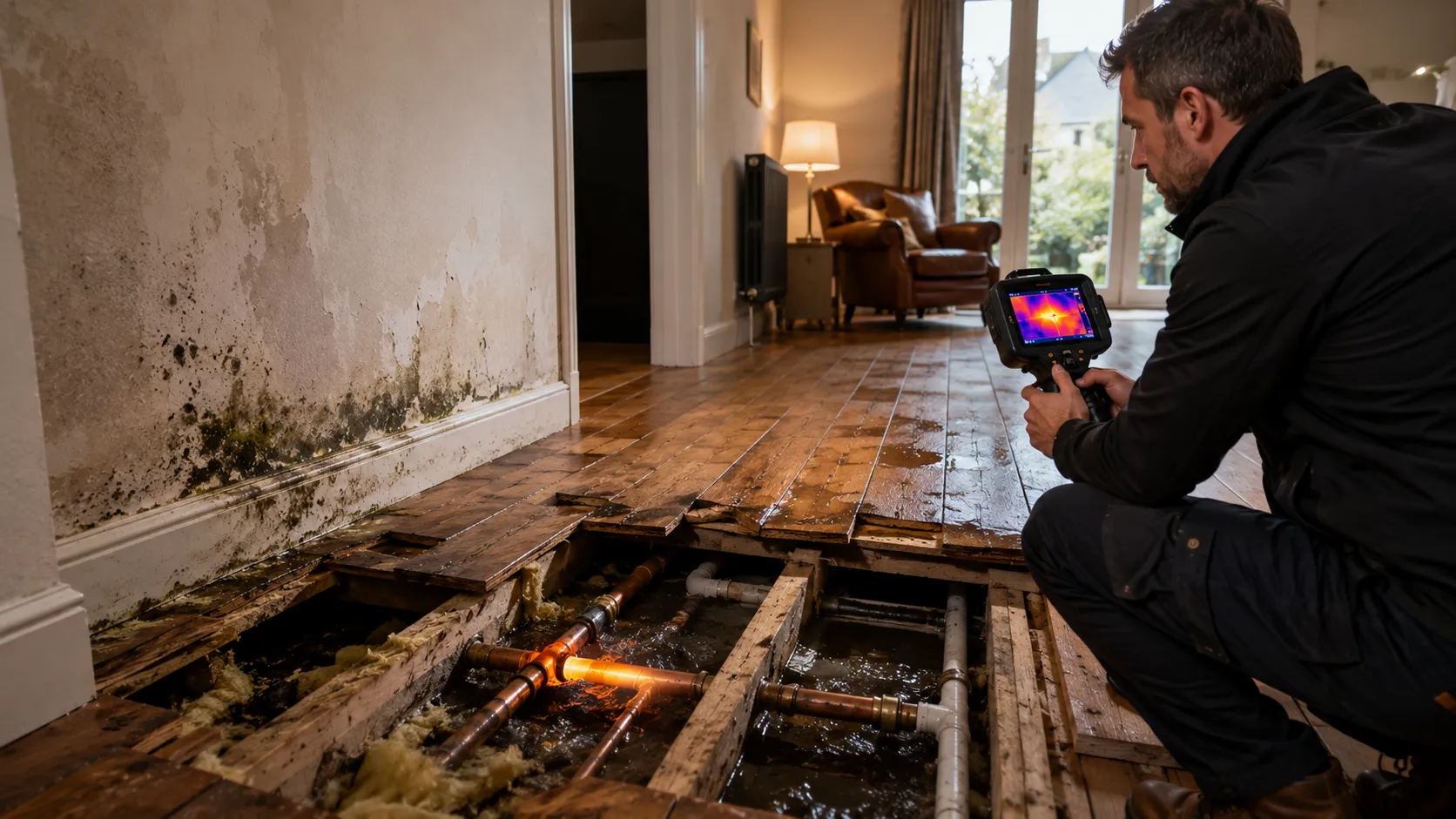

Most homeowners expect water leaks to appear under sinks, around taps, or near visible pipework. However, many serious leaks actually develop beneath the floor where they remain hidden for weeks or even months.
Underfloor leaks are one of the most common plumbing problems found in homes across Leicestershire and Lincolnshire. These leaks often stay unnoticed until major damage appears inside the property.
Because the pipework remains hidden beneath concrete, wooden flooring, tiles, or carpets, homeowners usually discover the issue after water damage has already spread.
Understanding why underfloor leaks happen and recognising the warning signs early can help prevent expensive repairs and unnecessary stress.
What Causes Water Leaks Under Floors?
Several plumbing and heating issues can lead to hidden leaks beneath flooring surfaces.
Ageing Pipework
Older properties often contain worn or corroded pipes. Over time, small cracks and weak joints develop and allow water to escape slowly.
Many homes in Leicestershire and Lincolnshire still use older plumbing systems that become more vulnerable as materials deteriorate with age.
Central Heating System Problems
Heating pipes commonly run beneath floors. Constant temperature changes inside the system cause pipes to expand and contract repeatedly.
This movement places pressure on joints and fittings, increasing the risk of leaks over time.
High Water Pressure
Excessive water pressure can strain pipes and create hidden fractures beneath the floor.
Even small pressure-related leaks may continue unnoticed for long periods.
Poor Installation
Incorrect plumbing installation sometimes causes long-term issues beneath flooring surfaces.
Loose joints, poorly fitted connections, or unsupported pipework may eventually fail.
Ground Movement
Natural ground movement can place pressure on underground or underfloor pipe systems. Small shifts in foundations sometimes crack buried pipework.
Why Underfloor Leaks Are Difficult to Detect
Leaks hidden beneath floors rarely show immediate visible damage.
Water usually spreads slowly underneath the surface before noticeable signs appear. By the time homeowners discover the issue, moisture may already affect multiple areas of the property.
Unlike visible plumbing leaks, underfloor leaks often require specialist equipment to locate accurately.
Traditional plumbing methods may involve unnecessary digging or lifting large floor sections just to find the problem.
Modern leak detection technology now allows professionals to identify leak locations with far less disruption.
Common Signs of an Underfloor Water Leak
Although the leak itself stays hidden, several warning signs often appear throughout the property.
Warm Spots on the Floor
Heating system leaks beneath floors sometimes create unusual warm patches.
This sign commonly appears in homes with central heating or underfloor heating systems.
Damp or Soft Flooring
Moisture trapped beneath flooring materials may cause surfaces to feel damp, soft, or unstable.
Wooden floors may also begin to warp or lift.
Unexplained Mould Growth
Hidden moisture encourages mould growth around skirting boards, corners, and flooring edges.
Persistent damp smells often accompany mould problems.
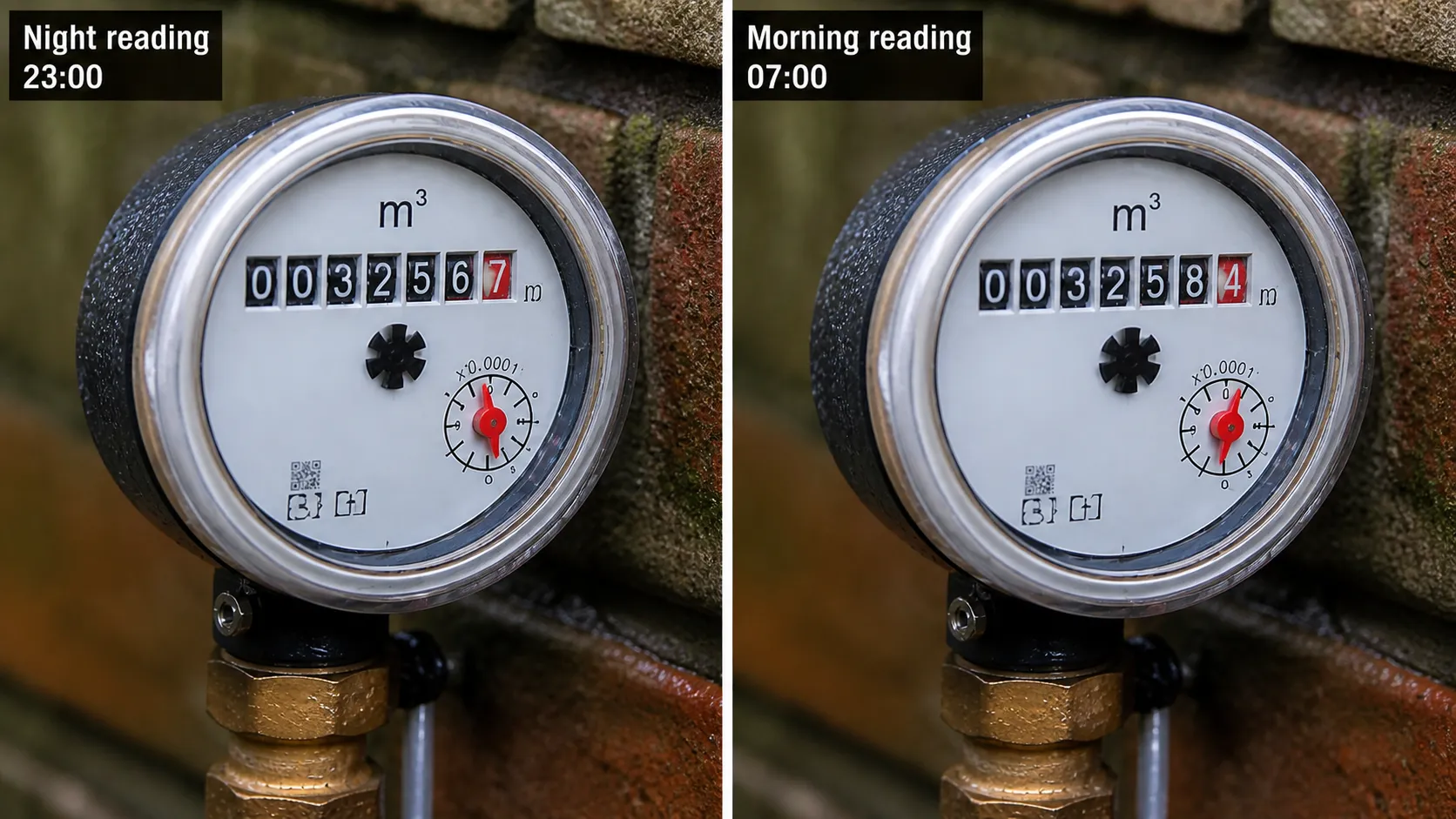
Increased Water Bills
A sudden rise in water usage often signals a hidden plumbing leak somewhere beneath the property.
Boiler Pressure Drops
Heating system leaks usually cause regular pressure loss within the boiler.
Homeowners who constantly repressurise the system should investigate possible hidden leaks.
Cracked or Loose Tiles
Moisture beneath tiled flooring can weaken adhesives and cause tiles to loosen or crack.
How Underfloor Leaks Damage Properties
Many homeowners underestimate how destructive hidden leaks can become over time.
Water continuously spreads through building materials and affects surrounding areas.
Common forms of damage include:
- Rotting timber
- Damaged insulation
- Weak flooring structures
- Ceiling stains below upper floors
- Mould growth
- Electrical hazards
- Higher heating costs
In severe cases, long-term leaks may even weaken structural elements of the property.
The longer the leak continues, the greater the repair costs become.
Why DIY Leak Detection Often Creates More Problems
Many homeowners try to locate underfloor leaks themselves by removing flooring or breaking into walls.
Unfortunately, guessing the leak location often creates unnecessary damage without solving the problem.
Underfloor leaks can spread water far from the original source, making visual diagnosis difficult.
Professional leak detection specialists use advanced tools that help pinpoint the exact leak position accurately.
This approach reduces disruption and lowers overall repair costs.
Modern Technology Used for Underfloor Leak Detection
Professional leak detection companies now use highly accurate non-invasive methods to locate hidden leaks.
Thermal Imaging Cameras
Infrared cameras detect temperature differences caused by hidden moisture or escaping hot water.
This method works especially well for heating system leaks.
Acoustic Listening Equipment
Sensitive acoustic devices trace the sound vibrations created by escaping water beneath floors.
Tracer Gas Detection
Engineers safely introduce tracer gas into the pipe system. The gas escapes through the leak point, helping specialists identify difficult hidden leaks.
Moisture Mapping
Moisture meters identify areas with abnormal damp levels beneath surfaces.
These advanced techniques help minimise unnecessary property damage during the investigation process.
Homeowners looking for specialist assistance can explore the professional services available from Vortex Leak Detection.
Why Fast Leak Detection Saves Money
Many people delay professional investigation because the damage initially appears minor.
Unfortunately, small leaks continue spreading moisture every day.
Early detection helps homeowners avoid:
- Major flooring replacement
- Structural repairs
- Expensive mould treatment
- Damaged ceilings
- High water bills
- Large heating repair costs
Professional leak detection usually costs far less than repairing widespread property damage later.
Why Leak Detection Matters in Leicestershire and Lincolnshire
Homes throughout Leicestershire and Lincolnshire often face increased plumbing risks due to older infrastructure and seasonal weather changes.
Cold weather can place additional stress on underground and underfloor pipework, especially in older homes.
Rural properties may also contain ageing water systems more vulnerable to hidden leaks.
Fast professional investigation helps homeowners protect both their property and long-term repair budgets.
Choosing the Right Leak Detection Specialist
Not all plumbing companies specialise in hidden leak investigations.
Homeowners should choose experienced specialists who use modern non-invasive technology and provide accurate reporting.
Important qualities include:
- Specialist leak detection experience
- Advanced equipment
- Heating system expertise
- Insurance reporting support
- Positive customer reviews
Vortex Leak Detection helps homeowners locate hidden underfloor leaks quickly using professional non-destructive detection methods.
Final Thoughts
Underfloor water leaks are far more common than many homeowners realise. Because the damage stays hidden beneath surfaces, leaks often continue unnoticed until costly repairs become necessary.
Recognising the early warning signs helps reduce the risk of major property damage.
Modern professional leak detection technology now makes it possible to locate hidden leaks accurately without unnecessary destruction.
Quick action always saves money, protects the property, and prevents long-term structural problems.
FAQs
1. How do I know if I have a water leak under my floor?
Common signs include damp flooring, warm spots, mould growth, rising water bills, and repeated boiler pressure loss.
2. Can underfloor leaks damage the structure of a home?
Yes. Long-term leaks may weaken timber, flooring supports, insulation, and surrounding building materials.
3. Are heating system leaks common under floors?
Yes. Many central heating pipes run beneath flooring surfaces, making hidden heating leaks very common.
4. Can professionals find underfloor leaks without lifting floors?
Yes. Modern leak detection equipment allows specialists to locate leaks with minimal disruption.
5. Why should hidden leaks be repaired quickly?
Small leaks continue spreading moisture and may eventually cause expensive structural damage, mould growth, and high repair costs.




























Sign in to leave a comment.