
Water damage is one of the most expensive and frustrating issues property owners face, especially in regions where weather patterns can shift unexpectedly. In Los Angeles, many homeowners and commercial property managers assume that the dry climate reduces the need for waterproofing. In reality, aging infrastructure, seasonal rainstorms, irrigation systems, and foundation vulnerabilities make waterproofing a critical investment for long-term property protection.
Whether you own a residential home in the hills or manage a commercial building near the coast, taking preventative measures against moisture intrusion can help preserve structural integrity, indoor air quality, and property value. Waterproofing is not simply about reacting to leaks after they happen. It is about creating a proactive strategy that protects the building from hidden damage that can develop slowly over time.
The Hidden Costs of Water Intrusion
Many property owners do not notice moisture problems until visible signs appear. By that point, repairs can become significantly more expensive. Water intrusion often begins behind walls, beneath flooring, or within foundations where it remains undetected for months.
Common issues caused by poor waterproofing include:
- Foundation cracks
- Mold and mildew growth
- Wood rot
- Damaged insulation
- Peeling paint and bubbling drywall
- Basement or crawlspace moisture
- Reduced energy efficiency
In Los Angeles, these problems can become even more complicated due to varying microclimates. Coastal areas may experience elevated humidity levels, while hillside homes can encounter drainage challenges after heavy rainfall. Even minor leaks can gradually compromise structural materials if left untreated.
A comprehensive waterproofing strategy helps identify vulnerable areas before damage escalates. This preventative approach often saves property owners substantial repair costs in the future.
Why Los Angeles Properties Face Unique Challenges
Although Southern California is known for sunshine, local properties still encounter several moisture-related risks. Older homes throughout Los Angeles frequently have aging foundations, outdated drainage systems, or deteriorating exterior materials that are vulnerable to water penetration.
Urban development also contributes to drainage concerns. As more surfaces become paved or built over, rainwater has fewer natural absorption points. This can increase runoff around foundations and exterior walls.
Additionally, earthquakes and soil movement can create tiny structural shifts over time. Even small cracks can allow water intrusion during storms or irrigation cycles. Property owners who delay maintenance may discover that seemingly small vulnerabilities become larger structural concerns.
Professional inspections often reveal issues that are not immediately visible to untrained eyes. Working with experiencedLos Angeles waterproofing contractors can help property owners evaluate the condition of their building envelope, drainage systems, and foundational protection before larger problems develop.
Key Areas That Often Require Waterproofing
Effective waterproofing involves much more than sealing a visible crack. A complete approach examines multiple components of the structure to create a durable moisture barrier.
Foundations
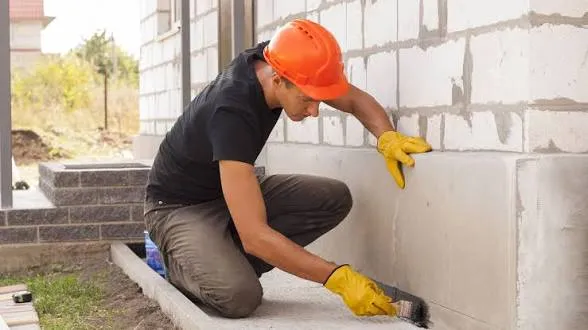
Foundation waterproofing remains one of the most important aspects of long-term building protection. Cracks, porous concrete, and improper grading can all allow moisture infiltration.
Modern foundation waterproofing systems may include:
- Exterior waterproof membranes
- Drainage boards
- Sump systems
- Sealants and crack injections
- Proper soil grading
These solutions help direct water away from the structure while reducing hydrostatic pressure around the foundation.
Roofs and Decks
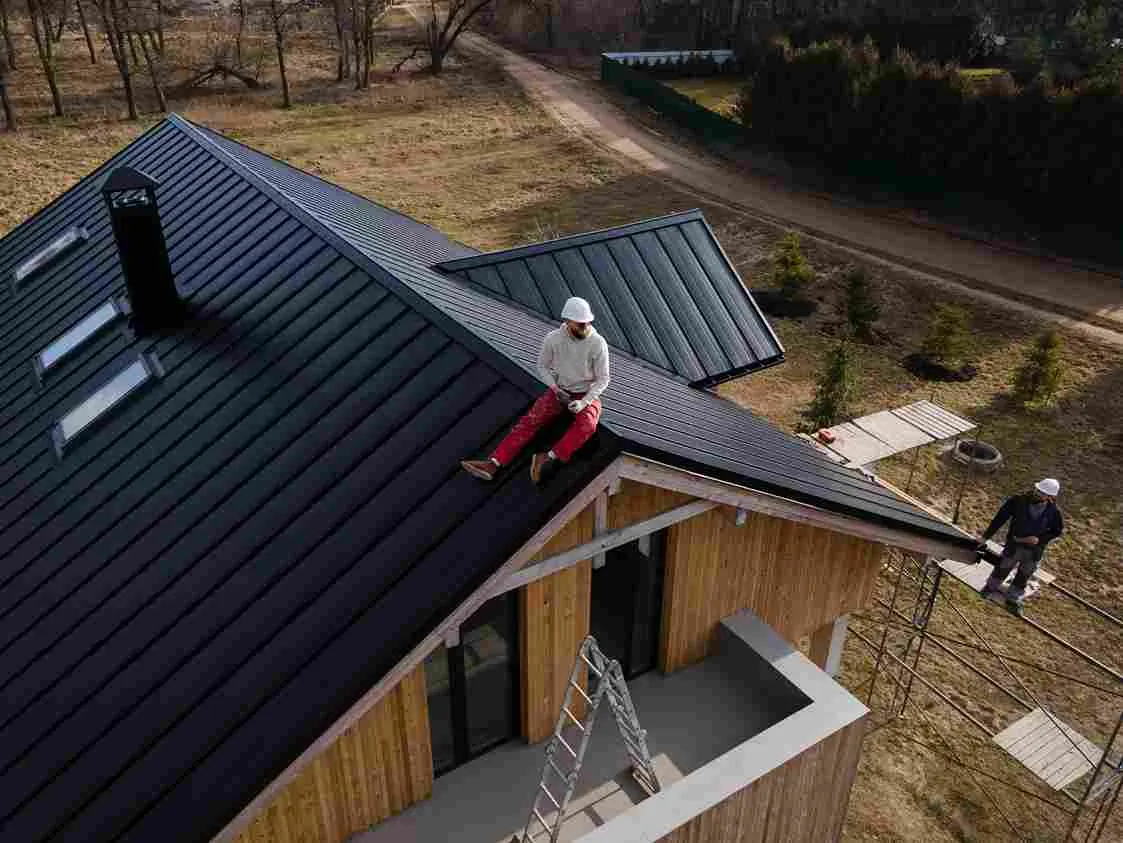
Flat roofs and elevated decks are common throughout Los Angeles architecture. Unfortunately, these surfaces are especially vulnerable to pooling water and gradual deterioration.
Routine waterproofing maintenance for roofs and decks can help:
- Prevent leaks
- Extend material lifespan
- Reduce structural damage
- Improve energy performance
- Protect interior finishes
Protective coatings and membrane systems are often used to create durable barriers against UV exposure and moisture intrusion.
Basements and Crawlspaces
While not every Los Angeles property has a basement, crawlspaces remain common in many residential homes. Poor ventilation and trapped moisture can quickly create mold and wood rot problems.
Waterproofing these areas improves air quality while helping maintain healthier indoor environments. Encapsulation systems and vapor barriers are frequently used to control moisture levels beneath the structure.
Signs That a Property May Need Waterproofing
Property owners often overlook early warning signs until damage becomes extensive. Recognizing these indicators early can help reduce repair costs and prevent more serious structural problems.
Some common signs include:
- Musty odors indoors
- Hairline foundation cracks
- Water stains on walls or ceilings
- Efflorescence on concrete surfaces
- Warped flooring
- Increased indoor humidity
- Mold growth near windows or corners
Even if these symptoms appear minor, they may indicate larger hidden issues behind walls or beneath flooring systems.
Scheduling routine inspections allows professionals to identify vulnerabilities before they lead to costly repairs.
The Long-Term Value of Preventative Waterproofing
Many property owners initially view waterproofing as an optional expense. However, preventative maintenance often delivers substantial long-term value.
Waterproofing can help:
- Preserve property value
- Reduce emergency repair costs
- Improve indoor comfort
- Extend structural lifespan
- Increase buyer confidence during resale
- Lower the risk of mold-related issues
In competitive real estate markets like Los Angeles, buyers increasingly pay attention to building condition and maintenance history. A well-maintained waterproofing system can become a strong selling point.
Commercial property owners may also benefit from reduced liability risks and fewer interruptions caused by unexpected repairs.
Choosing the Right Waterproofing Approach
Every property has unique conditions that influence the best waterproofing strategy. Factors such as soil type, building age, drainage patterns, and construction materials all play a role.
A customized assessment typically provides the most effective results. Rather than applying temporary fixes, experienced professionals evaluate the underlying causes of moisture intrusion and recommend long-term solutions.
This process may involve:
- Exterior inspections
- Drainage analysis
- Moisture testing
- Foundation evaluations
- Roofing assessments
- Material recommendations
Addressing problems early is usually far less expensive than major reconstruction after extensive water damage occurs.
Final Thoughts
Waterproofing is one of the most practical investments Los Angeles property owners can make to protect their buildings over time. Despite the region’s reputation for dry weather, moisture intrusion remains a common issue due to aging construction, seasonal storms, drainage challenges, and structural movement.
By taking a proactive approach, homeowners and commercial property managers can avoid many of the hidden costs associated with water damage. From foundations and crawlspaces to roofs and decks, comprehensive waterproofing solutions help maintain structural integrity and create healthier indoor environments.
Preventative maintenance today can significantly reduce repair expenses tomorrow while preserving the long-term value of the property.





















Sign in to leave a comment.