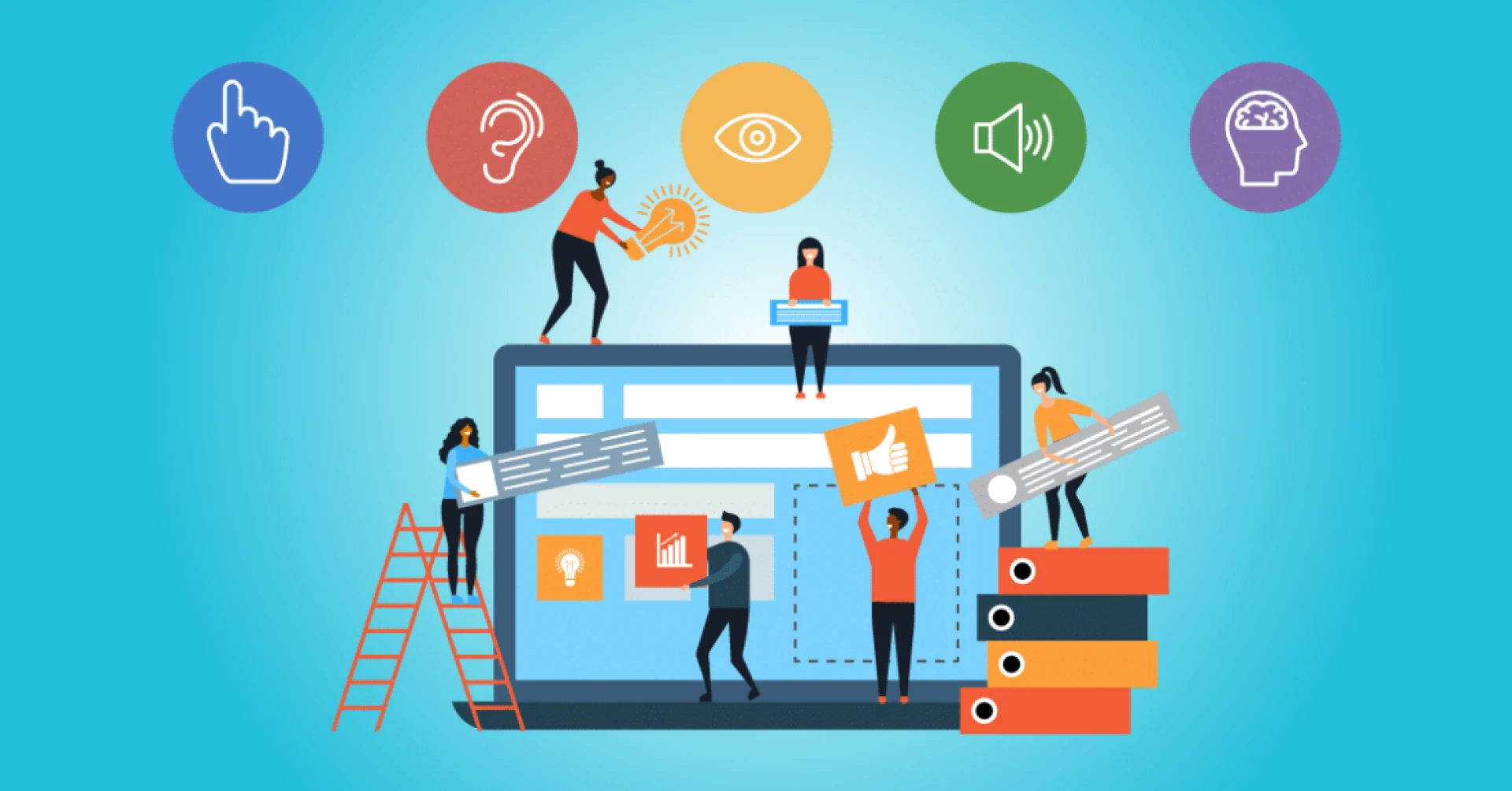

Imagine navigating a website without being able to see its content or using a mouse. This is the reality for many people with disabilities. Web accessibility aims to make the internet a space where everyone, regardless of their abilities, can access and interact with digital content seamlessly. Key guidelines and standards, such as the Web Content Accessibility Guidelines (WCAG), provide a framework for creating accessible web content. In this article, we're going to dig into why web accessibility matters so much. We'll look at how it affects individuals, businesses, and the whole digital world!
For more in-depth insights on web accessibility and practical tips for implementation, Check out this complete guide on web accessibility. Learn how you can make your website a beacon of inclusivity in the digital world.
Accessibility for All
Ensuring web accessibility goes beyond compliance; it's about creating a digital space where everyone, regardless of their abilities, can navigate and interact seamlessly. Let's delve into how web accessibility addresses the diverse needs of individuals, making the online experience truly inclusive.
1. Visual Impairments:
For individuals with visual impairments, including blindness or low vision, web accessibility ensures that content is presented in a way that can be interpreted by screen readers. Descriptive text for images(Image ALT Text) and clear navigation are essential components.
2. Auditory Impairments:
Those who are deaf or hard of hearing benefit from captions and transcripts for multimedia content. Ensuring that information is not conveyed solely through audio guarantees a broader audience reach.
3. Motor Impairments:
People with motor impairments may have difficulty using a mouse or keyboard. Web accessibility incorporates features like keyboard shortcuts and voice recognition to accommodate various methods of interaction.
4. Cognitive Impairments:
Individuals with cognitive impairments, such as learning disabilities or attention disorders, benefit from clear and simple language, consistent navigation, and the avoidance of distracting elements on a webpage.
Benefits of Web Accessibility
Web accessibility is not just a checkbox on a to-do list; it's a transformative practice that brings forth a myriad of advantages. By prioritizing accessibility, we not only enhance the experience for users with disabilities but also create a more user-friendly and inclusive digital environment. Let's explore the substantial benefits that web accessibility brings to the table.
1. Improved User Experience:
Web accessibility isn't just about complying with guidelines; it significantly enhances the user experience for everyone. Clear navigation, readable text, and well-structured content contribute to a more user-friendly website.
2. Increased Reach and Market Potential:
By making your website accessible, you open the doors to a broader audience. Consider the economic benefits for businesses that tap into diverse markets by accommodating the needs of individuals with disabilities.
3. SEO Advantages:
Search engines reward accessible websites. Following accessibility best practices not only helps your website reach a wider audience but also positively influences search engine rankings.
Challenges and Solutions
Implementing web accessibility, while crucial, is not without its challenges. Organizations and individuals may encounter various obstacles on the path to creating an inclusive digital space. Here, we'll explore these challenges and present viable solutions to overcome them.
1. Budget Constraints:
Challenge: Limited financial resources can pose a significant barrier to implementing comprehensive web accessibility measures.
Solution: Prioritize accessibility improvements based on impact. Begin with high-impact changes that align with the organization's budgetary constraints. Seek out free or low-cost accessibility tools and resources available online.
2. Lack of Awareness:
Challenge: Many individuals and organizations may not fully understand the importance of web accessibility or the steps required to achieve it.
Solution: Conduct training sessions to raise awareness about the significance of web accessibility. Offer resources and educational materials to empower individuals with the knowledge and tools needed to make their digital content accessible.
3. Resistance to Change:
Challenge: Resistance from team members or stakeholders who may be resistant to changing existing processes or implementing new technologies.
Solution: Foster a culture of inclusivity within the organization. Demonstrate the benefits of web accessibility through success stories and case studies. Involve key stakeholders early in the process to gain their support and address concerns.
4. Lack of Technical Expertise:
Challenge: The technical complexities of web accessibility may be daunting for those without a strong technical background.
Solution: Provide training for web developers and content creators on accessibility best practices. Utilize automated accessibility testing tools that don't require in-depth technical expertise. Consider partnering with accessibility experts or consultants for guidance.
5. Sustainability:
Challenge: Ensuring ongoing accessibility as websites evolve and content is updated can be challenging.
Solution: Integrate accessibility into the development and content creation process from the start. Implement regular accessibility audits and updates. Foster a mindset of continuous improvement, where accessibility is viewed as an ongoing commitment rather than a one-time task.
Addressing these challenges requires a proactive and collaborative approach. By acknowledging these obstacles and implementing targeted solutions, individuals and organizations can overcome barriers and move towards creating a digital landscape that is accessible to all.
The Future of Web Accessibility
As technology evolves, so too does the landscape of web accessibility. Emerging technologies, such as artificial intelligence and machine learning, hold the potential to further enhance web accessibility. Ongoing efforts to improve accessibility standards ensure that the digital world continues to become more inclusive.
Conclusion
In conclusion, web accessibility is not merely a checkbox on a compliance list but a fundamental aspect of creating an inclusive and successful online presence. By prioritizing accessibility, businesses and individuals contribute to a digital landscape that benefits everyone, regardless of their abilities. As we navigate the vast terrain of the internet, let us strive to make it a place where everyone feels welcome and empowered.
Creating an accessible website is a powerful step towards a more inclusive online world. Are you ready to make a positive impact? Take the initiative to assess your website's accessibility and implement the necessary changes. By doing so, you not only comply with legal standards but also embrace the ethical responsibility of ensuring that your digital space is accessible to all.
Let's work together to make the internet a space where diversity is celebrated, and everyone can navigate with ease. Your accessible website is not just a website; it's a beacon of inclusivity in the digital world.
If You Like The Content Please Like, Share, and Comment.



















Sign in to leave a comment.