

Web design has matured, but many of its habits have not. Too often, websites are still approached as static compositions rather than interactive systems. This mindset comes from graphic design, where the goal is visual communication, not ongoing use.
The problem is not that graphic design principles are wrong. It is that they are incomplete for the web. Websites are not posters or brochures. They are tools people use to make decisions, complete tasks, and move forward.
The Web Is Interactive, Not Static
Graphic design assumes a fixed surface. The designer controls what the viewer sees and in what order. Web design does not work that way.
Users scroll, click, resize, abandon, return, and compare. They interact with content across devices, contexts, and time. Designing a website as a single visual moment ignores how it is actually used.
Web design must prioritize behavior over composition.
Visual Hierarchy Alone Is Not Enough
Graphic design relies heavily on visual hierarchy to guide attention. This still matters on the web, but it is only part of the equation.
Web interfaces must also account for user intent, task flow, and feedback. A button that looks good but appears at the wrong moment fails its purpose. A layout that feels balanced but hides key actions creates friction.
Good web design aligns hierarchy with user goals, not just aesthetics.
Design Decisions Must Respond to Data
Graphic design is often evaluated subjectively. Web design cannot afford to be.
Websites generate data. Clicks, scroll depth, conversion paths, and drop-off points reveal what works and what does not. Design decisions should respond to this information, not personal preference.
Breaking free from graphic design roots means accepting that performance matters more than polish.
Systems Matter More Than Screens
Graphic design often focuses on individual deliverables. Web design must think in systems.
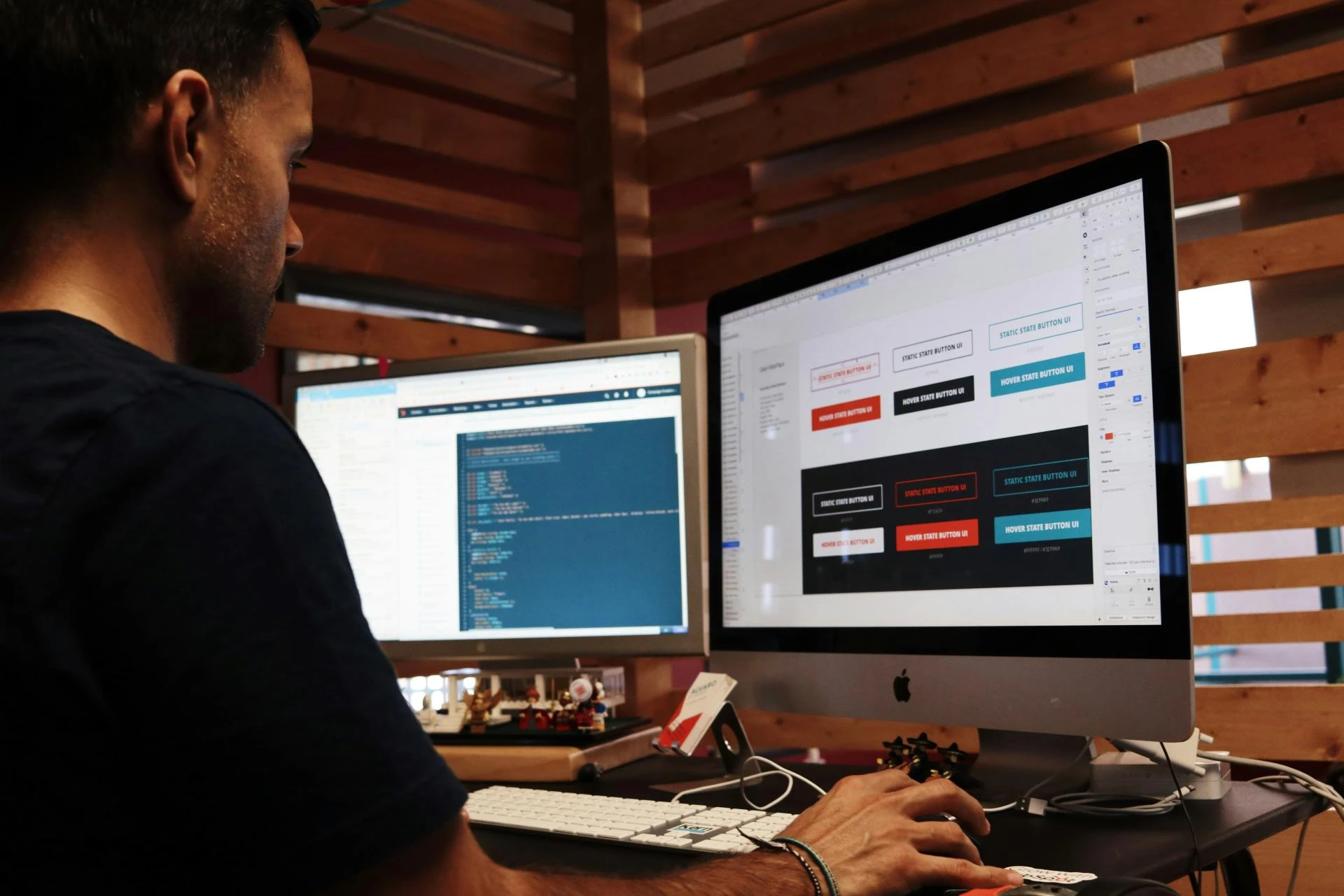
Navigation, components, states, and patterns repeat across a site. Consistency reduces cognitive load and helps users learn how things work. Designing page by page leads to fragmentation and confusion.
Web design succeeds when systems are intentional and scalable.
Content Drives Layout, Not the Other Way Around
In traditional graphic design, content is often shaped to fit a layout. On the web, this approach causes problems.
Content changes. It grows. It is translated. It is reused. Web design must adapt to content, not constrain it. Flexible layouts and content-aware components age better and require less maintenance.
This shift is critical in fast-moving markets like web design san francisco, where sites must evolve without constant redesign.
Collaboration Changes the Role of the Designer
Graphic design often positions the designer as the final authority. Web design is more collaborative by nature.
Developers, content strategists, marketers, and product teams all influence outcomes. Designers who embrace collaboration produce better results because they design within real constraints.
Letting go of total control leads to stronger, more durable work.
Why This Shift Matters Now
As websites become more central to business operations, the cost of outdated thinking increases. Sites designed as visual artifacts struggle to scale, convert, and adapt.
Web design must be treated as a product discipline, not a decorative one. Teams like Thought Media approach web design as a living system shaped by users, data, and long-term goals. Breaking free from graphic design roots does not mean abandoning design. It means applying it where it actually works.

























Sign in to leave a comment.