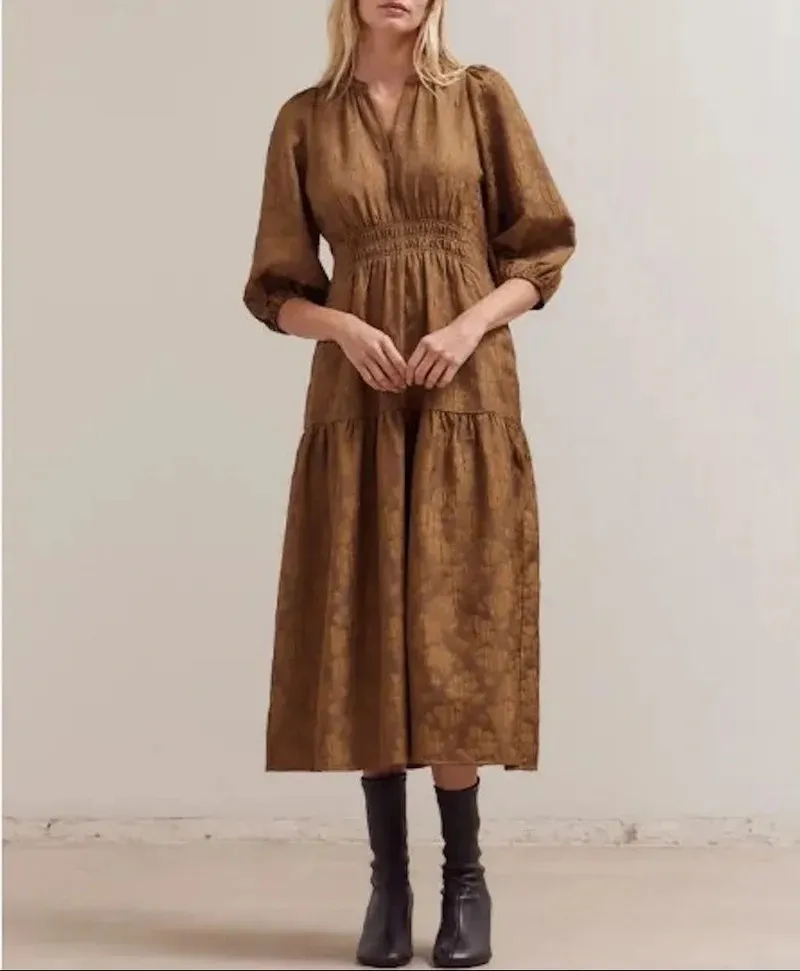

For a while, the dress seemed almost unfashionable. Trousers took over workplaces. Jeans claimed weekends. Separates promised the flexibility of mixing and matching endlessly. And yet, quietly and persistently, the dress has come back — not as a statement, but as a solution.
Walk through any city on a warm afternoon and the evidence is everywhere. Women in flowing maxis. Office-goers in clean midis. Weekenders in easy shirt dresses. Something has shifted in how women think about this deceptively simple category, and it's worth understanding why.
The dress, it turns out, was never really out. It was just waiting for women to remember what it does that nothing else quite can.
The Efficiency Argument
The most compelling case for dresses is a practical one: they are a complete outfit. One decision, one piece of clothing, and you're dressed. No checking whether the top works with the bottom. No wondering if the proportions are right. No last-minute realisation that the one trouser that goes with this shirt is in the wash.
In a world where morning time is scarce and decision fatigue is real, this efficiency matters more than it might sound. Women who have built their wardrobes around dresses often describe getting dressed as one of the easier parts of their day — and that ease radiates outward. There's a composure in someone who is simply, completely dressed.
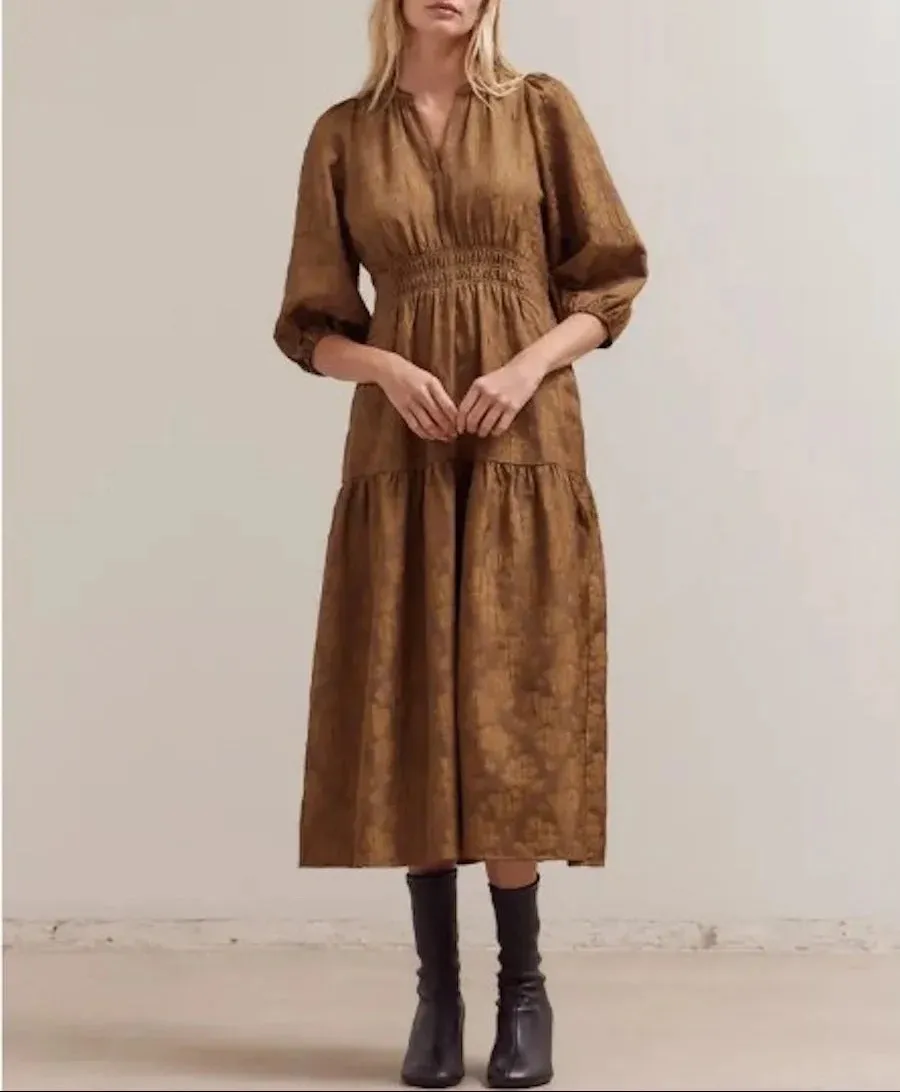
This is a big part of why Grade and Gather dresses have built such a loyal following. The brand focuses on silhouettes that do the heavy lifting — cuts that work across body types, lengths that translate across occasions, fabrics that hold up through a full day of real life. The dress isn't an outfit you have to manage. It just works.
Lengths That Changed Everything
The resurgence of the dress is inseparable from the midi and maxi revival. Something shifted when hemlines dropped — and it wasn't just aesthetic. Longer dresses are, practically speaking, easier to wear. They're more versatile across climates. They're appropriate in a wider range of settings. And for many women, they're simply more comfortable to move in than shorter lengths.
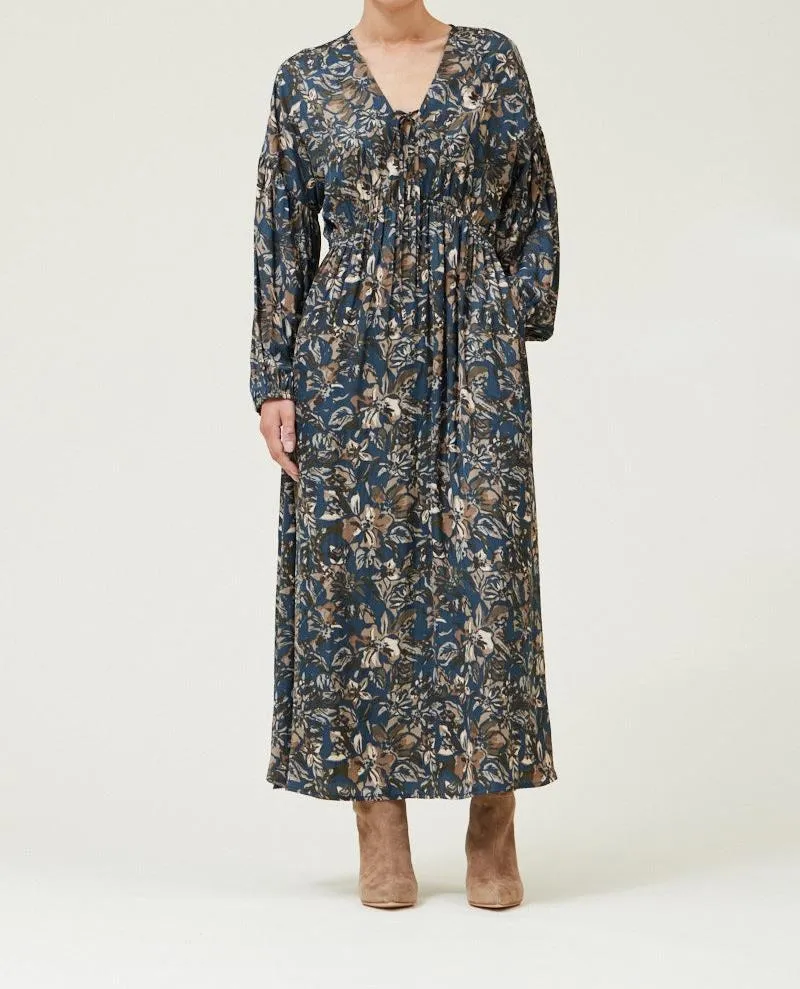
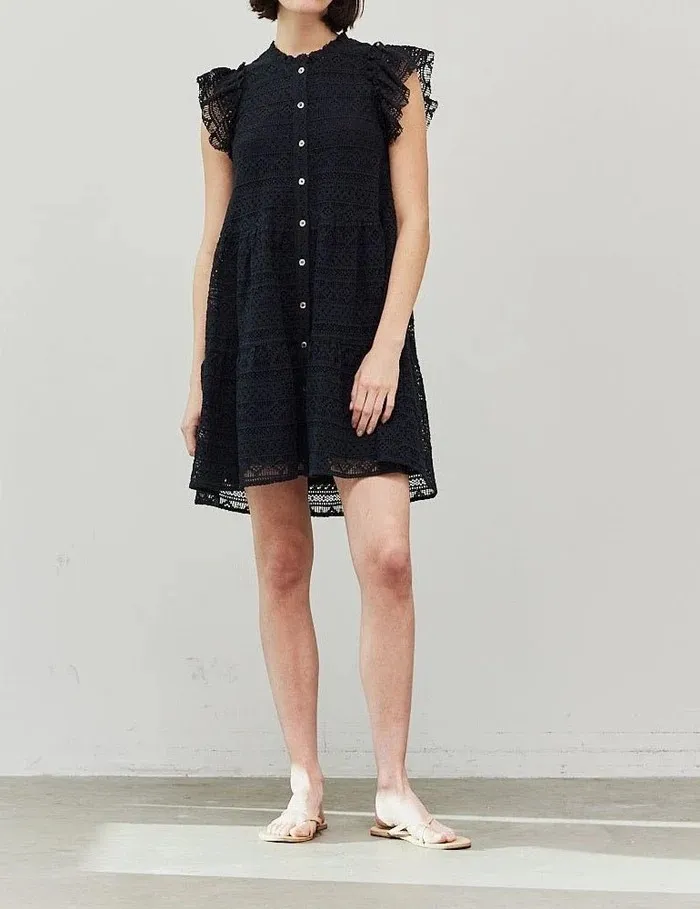
The maxi in particular has had a remarkable rehabilitation. Once associated with summer holidays and not much else, grade and gather maxi dresses show how the format has been reconsidered entirely. Clean lines, careful construction, fabrics that don't balloon or cling — these are dresses designed to function across a real week, not just a beach afternoon.
Midi lengths have followed a similar trajectory. Grade and gather midi dresses occupy that precise sweet spot that's become one of fashion's most-discussed hemlines: below the knee, above the ankle, with a proportional ease that suits an enormous range of body types and makes the wearer look effortlessly put-together regardless of what shoes she pairs it with.
The Occasion Problem — Solved
One of the persistent anxieties around building a dress-based wardrobe is the question of occasions. Can I wear this to work? Is it too casual for dinner? Is it dressy enough for the event?
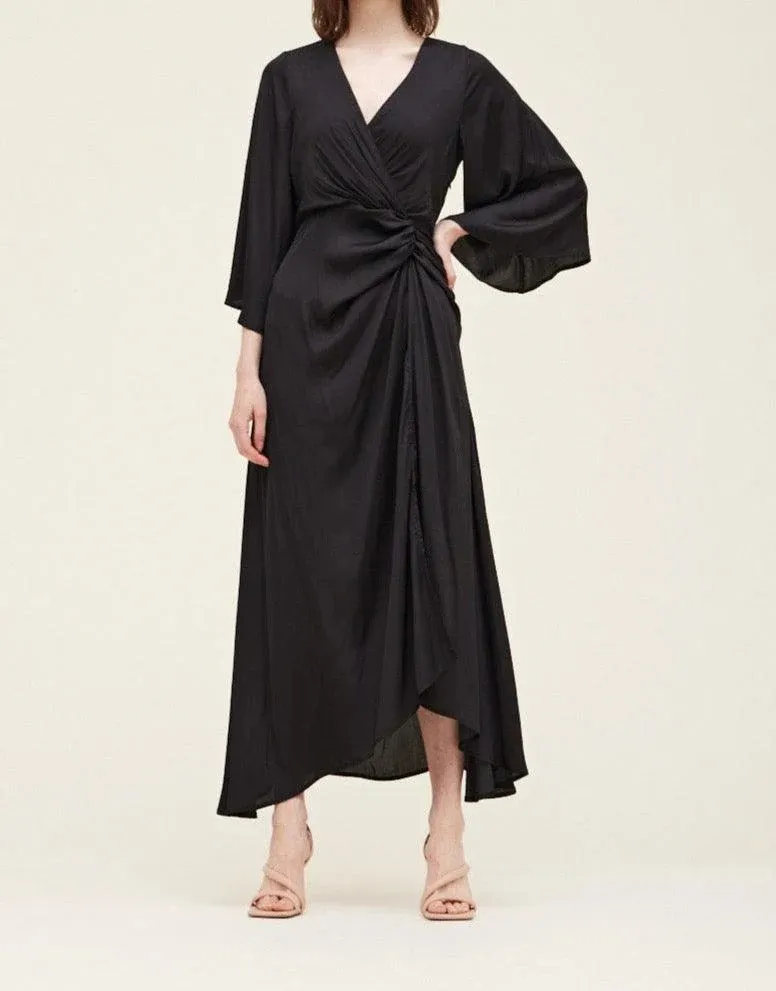
The answer, for well-designed dresses, is usually: more occasions than you'd think. A midi dress in a clean fabric can go from a professional meeting to an evening out with a shoe change and a different bag. A maxi carries casual weekends and garden parties in the same breath. The occasionality of a dress is largely determined by how you style it rather than the dress itself.
This versatility is what makes dresses such a compelling investment — particularly when they're priced accessibly. A dress that works across five different types of occasion at under a hundred pounds is doing the work of five separate purchases.
Where to Find Them — and What to Spend
For women discovering or rediscovering Grade and Gather, the question of where to find the brand matters. BTK Collections is one of the best online women's clothing brand, making the brand genuinely accessible — stocking a considered edit of styles, including midi and maxi dresses, with prices that sit comfortably under $100 for most pieces. That's not a compromise on quality; it's a reflection of a brand that has decided accessibility is part of what it stands for.
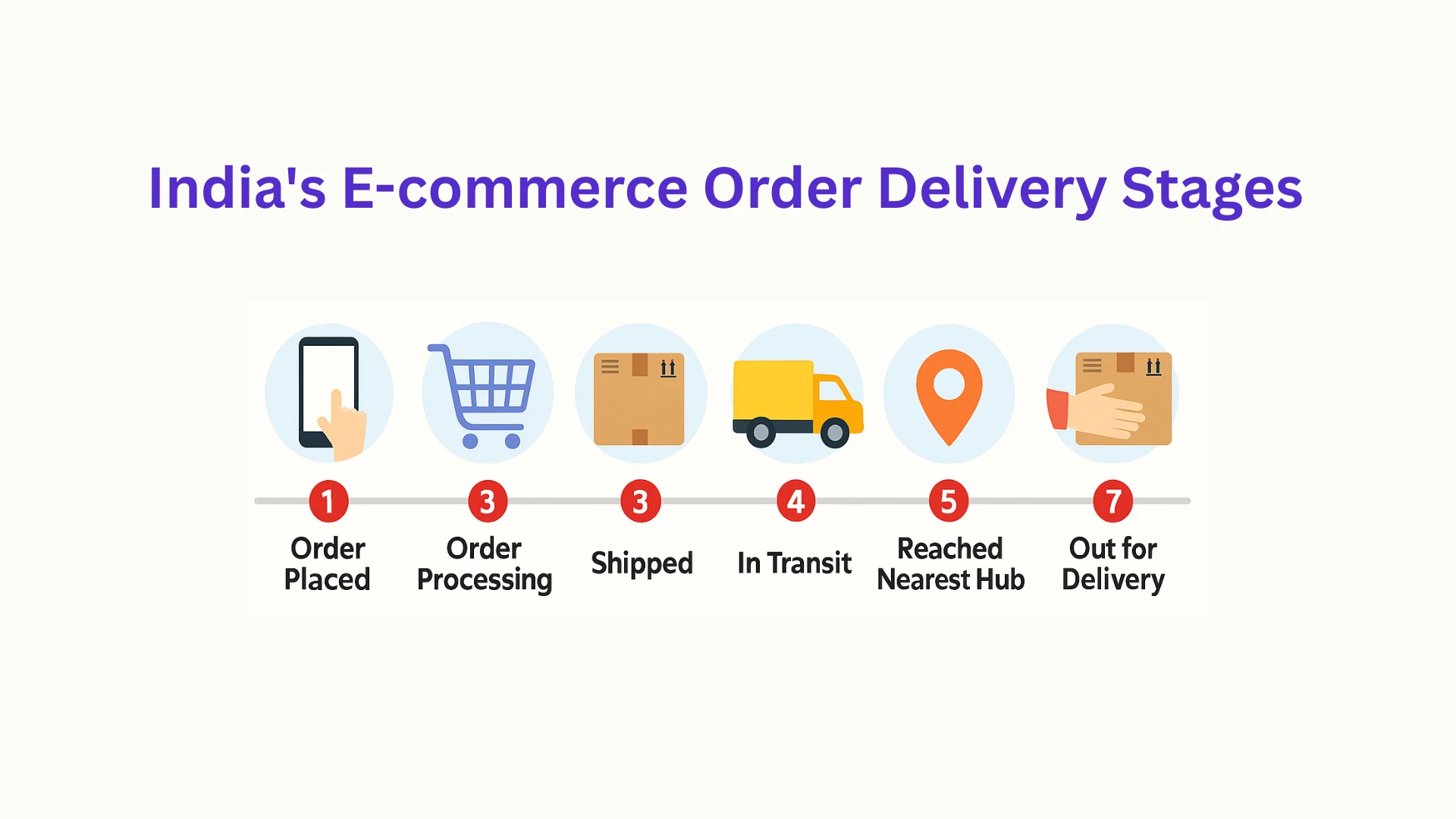
Crucially, BTK Collections ships worldwide, which means women outside the brand's home market can access these pieces without the prohibitive cost of international shipping from a boutique. For a brand that has attracted followers across continents through social media, this global availability closes an important gap.
When you can spend under a hundred dollars on a dress that carries you through a season — worn repeatedly, styled differently, holding its shape — the value proposition becomes difficult to argue with.
The Dress as a Wardrobe Philosophy
Beyond the practical arguments, there's something more personal in the women-and-dresses conversation. Many women describe the switch to a more dress-centred wardrobe as a kind of returning to themselves — to a way of dressing that feels natural rather than constructed.
A dress doesn't negotiate with itself. It doesn't require you to balance top and bottom halves. It presents you as a whole. And for many women, that wholeness — that visual simplicity — turns out to be what they were looking for all along.
Maybe the dress was never just an item of clothing. Maybe it was always a philosophy. And right now, more women than ever are finding it's one they want to live by.
























Sign in to leave a comment.