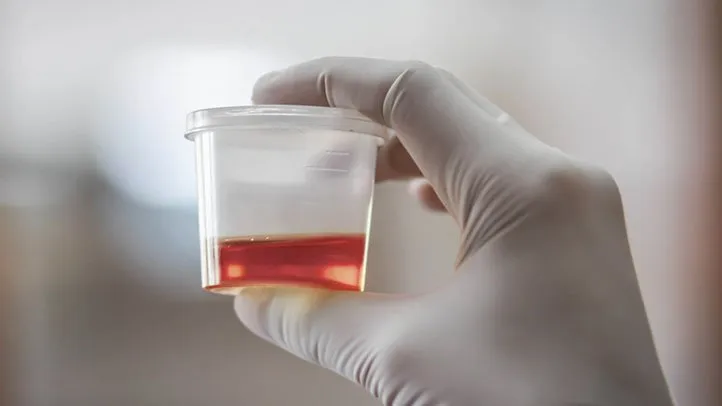

Noticing blood in your urine is a frightening experience. The medical term for this is hematuria, and it is one symptom you should never ignore. Although hematuria can be a sign of a serious situation, there are also many common and treatable causes of it. The first step to getting an accurate diagnosis and appropriate treatment involves understanding some of the possible causes of peeing blood female. This blog will highlight some of the key causes to consider with and without pain.
First Step: Confirming It Is Blood
Before discussing potential causes, it is important to confirm the symptom. Sometimes, red urine can come from certain foods or medications, such as beets or blackberries, or menstrual blood. A physician can confirm the symptom by performing a urinalysis, which is a simple test that checks for red blood cells in urine; the presence of red blood cells is a definitive sign of hematuria. There are two types of hematuria:
- Gross hematuria: blood can be seen without a microscope and the urine may look pink, red or cola colored.
- Microscopic hematuria: blood can only be seen under a microscope during a urinalysis test.
Frequent Reasons for Blood in Urine for Women
There are many reasons for blood in urine women may experience, from infections to chronic conditions. A key distinction is whether or not the symptom occurs with pain. We will cover this below.
Causes for Blood in Urine in Female With Pain
When there is blood in urine of a female with pain or burning or some other discomfort, this typically suggests an infection or irritation to the urinary tract.
- Urinary Tract Infections (UTIs)
- Kidney Infections (Pyelonephritis)
- Kidney or Bladder Stones
Causes for Blood in Urine in Females Without Pain
Finding blood in urine in females without pain can be more worrisome because it is typically an initial sign of something more serious. It is critically important to see a physician for full evaluation.
- Intense Exercise: Intense exercise, especially activities involving impact to the body, can sometimes lead to red blood cells spilling into urine. This is, for the most part, a temporary phenomenon that usually resolves with rest.
- Medication: Some medications such as the use of anticoagulants (blood thinners), chemotherapies (e.g., cyclophosphamide), even some non-steroidal anti-inflammatory drugs (e.g., aspirin), can cause hematuria.
- Kidney Disorder: Underlying issues with the kidneys themselves, like glomerulonephritis (inflammation of the filtering mechanisms of the kidney), can cause microscopic hematuria often with further signs, particularly with elevated blood pressure and swelling.
- Cancer: This condition is the most serious possible cause of blood in urine female without pain. Cancers of the kidney, bladder, or ureter can present with painless hematuria. The bleeding may be intermittent, coming and going, which is why any occurrence warrants investigation.
What to Do If You Notice Blood in Your Urine
- Don’t panic: Many causes are very treatable.
- Call your doctor as soon as you observe this: This is not a symptom to self-diagnose or ignore. You can call your primary care physician, gynecologist, or a urologist for an appointment that you will obtain fairly quickly.
- Be prepared to explain details: Your doctor will want to know when you first noticed it, what color it is, and whether there are any clots, in addition to other symptoms (pain, fever, or changes in urinary habits).
- Follow through on testing the doctor recommends: When you are evaluated, diagnosis often involves urinalysis, urine culture, and sometimes imaging tests (e.g., CT scan; ultrasound) for visualing the kidneys and bladder. Your doctor may recommend looking inside the bladder with a thin scope (cystoscopy).
Conclusion
If you notice blood in urine women your body is signaling you to seek medical help. The problem could be as simple as a UTI but it's still necessary to rule out anything more serious when there is blood in urine and no pain involved. Early diagnosis will help determine the most effective treatment for all the possibilities, whether that be a simple course of antibiotics for an infection or more extensive treatment for another diagnosis.



























Sign in to leave a comment.