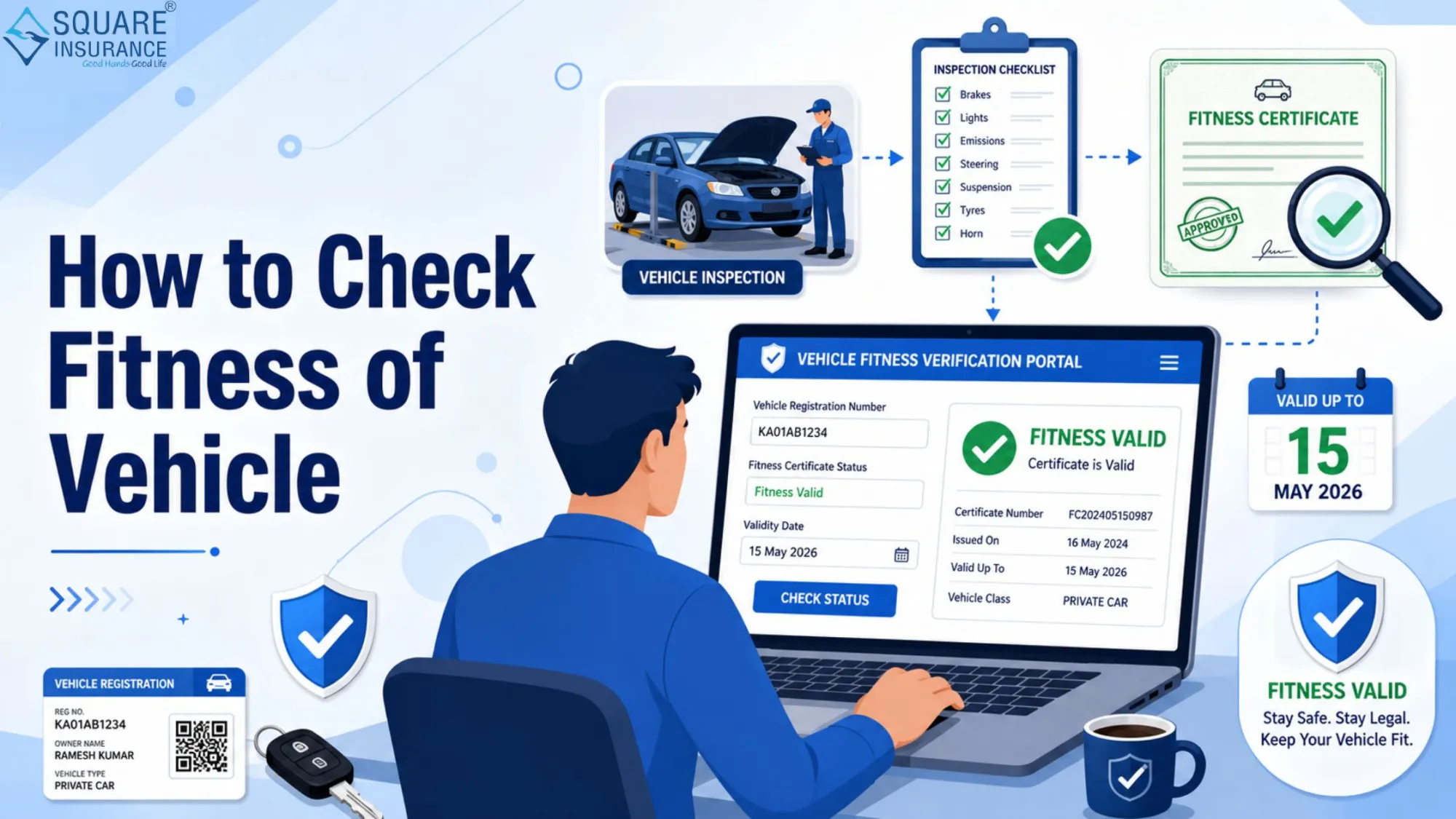

Owning a vehicle comes with several responsibilities beyond driving safely. One of the most important legal requirements is ensuring your vehicle remains roadworthy through a valid Fitness Certificate (FC). If you're wondering how to check fitness of vehicle online, understanding this process can help you avoid fines, ensure compliance with transport regulations, and maintain your vehicle's safety.
Whether you own a private car, bike, taxi, commercial vehicle, or transport vehicle, checking your vehicle's fitness status online is simple and can save you from unnecessary hassles. This guide explains everything you need to know about vehicle fitness certificates, online verification, renewal, validity, and more.
What is a Vehicle Fitness Certificate?
A Vehicle Fitness Certificate (FC) is an official document issued after a vehicle passes an inspection conducted by the Regional Transport Office (RTO) or an authorized testing center. It confirms that the vehicle is mechanically fit and meets the prescribed environmental and safety standards.
The certificate verifies several components, including:
- Braking system
- Steering mechanism
- Suspension
- Lights and indicators
- Tyres
- Chassis condition
- Engine performance
- Pollution control standards
Without a valid Fitness Certificate, certain vehicles cannot be legally driven on public roads.
Why is a Vehicle Fitness Certificate Important?
A Fitness Certificate is much more than a legal formality. It offers several benefits, including:
- Confirms that the vehicle is safe to operate.
- Ensures compliance with Motor Vehicle regulations.
- Reduces the risk of accidents caused by mechanical failures.
- Helps maintain environmental standards.
- Avoids penalties for expired fitness certificates.
- Makes vehicle ownership and transfer easier.
Commercial vehicles especially require valid fitness certification to continue operations.
Who Needs a Vehicle Fitness Certificate?
Fitness Certificates are mandatory for:
- Commercial vehicles
- Goods carriers
- Passenger transport vehicles
- School buses
- Tourist vehicles
- Public transport vehicles
Private vehicles generally do not require periodic fitness certification during their initial registration period. However, after completing the prescribed vehicle age, fitness testing becomes mandatory during renewal of registration.
How to Check Fitness of Vehicle Online
The government has simplified the process of checking vehicle fitness status online. Follow these simple steps:
Step 1: Visit the Official Vehicle Services Portal
Open the official government vehicle services portal.
Step 2: Select Vehicle Information
Navigate to the section that provides vehicle-related details.
Step 3: Enter Registration Number
Enter your complete vehicle registration number correctly.
Step 4: Verify Security Details
Complete the captcha or verification process.
Step 5: View Vehicle Details
The portal will display various vehicle details, including:
- Registration status
- Vehicle class
- Registration validity
- Fuel type
- Insurance details (where applicable)
- Pollution certificate status
- Fitness Certificate validity
This process usually takes only a few minutes.
Information Available While Checking Vehicle Fitness
When checking your vehicle online, you may find the following information:
- Vehicle registration number
- Owner details (limited information)
- Vehicle model
- Fuel type
- Registration date
- Registration expiry
- Fitness Certificate validity
- Tax details
- Permit information (commercial vehicles)
- Insurance status
- Pollution Under Control (PUC) status
Having access to this information helps owners stay updated with important deadlines.
When Should You Check Vehicle Fitness Status?
It is advisable to check your vehicle's fitness status:
- Before renewing vehicle registration.
- Before purchasing a used vehicle.
- Before long-distance travel.
- Before commercial permit renewal.
- When transferring ownership.
- After receiving an RTO notice.
- Periodically to ensure timely renewal.
Regular checking helps avoid last-minute issues.
What Happens if the Fitness Certificate Expires?
Driving a vehicle with an expired Fitness Certificate can lead to several consequences:
- Monetary penalties
- Vehicle seizure in certain situations
- Suspension of permits (commercial vehicles)
- Registration-related complications
- Insurance claim complications in certain cases
- Difficulty during vehicle resale
Timely renewal helps avoid these problems.
How to Renew a Vehicle Fitness Certificate
Renewal involves a physical inspection of the vehicle. The general process includes:
1. Submit the Application
Apply for fitness renewal through the prescribed process.
2. Pay Applicable Fees
Pay the inspection and renewal charges.
3. Vehicle Inspection
Your vehicle undergoes a detailed inspection covering:
- Brake efficiency
- Steering condition
- Lighting system
- Emission levels
- Engine condition
- Suspension
- Tyres
- Chassis
4. Receive the Certificate
If the vehicle meets all standards, a renewed Fitness Certificate is issued.
If defects are found, repairs may be required before reinspection.
Tips to Pass Vehicle Fitness Inspection
Preparing your vehicle before inspection improves your chances of passing.
Here are some useful tips:
- Service the vehicle regularly.
- Replace worn-out tyres.
- Ensure headlights and indicators function properly.
- Repair brake issues.
- Check suspension condition.
- Maintain proper emission levels.
- Fix windshield damage.
- Ensure seat belts are functional.
- Repair oil leaks.
- Keep all required documents ready.
A well-maintained vehicle generally clears inspection smoothly.
Benefits of Checking Vehicle Fitness Online
Online verification offers several advantages:
Saves Time
You don't need to visit the RTO just to verify the certificate status.
Instant Information
Vehicle fitness details become available within minutes.
Better Compliance
Owners can renew certificates before expiry.
Helpful During Vehicle Purchase
Buyers can verify the vehicle's legal status before purchasing a used vehicle.
Improved Safety
Regular monitoring encourages timely maintenance and repairs.
Common Reasons Why Vehicles Fail Fitness Tests
Some common issues include:
- Poor brake performance
- Excessive emissions
- Damaged chassis
- Worn suspension
- Faulty steering
- Non-functional lights
- Broken mirrors
- Unsafe tyres
- Engine defects
- Structural damage
Routine servicing significantly reduces the chances of failure.
Documents Required for Vehicle Fitness Renewal
While requirements may vary, commonly required documents include:
- Registration Certificate (RC)
- Insurance policy
- Pollution Under Control (PUC) Certificate
- Identity proof
- Address proof (if applicable)
- Previous Fitness Certificate
- Applicable fee receipt
Keeping these documents ready speeds up the renewal process.
Tips to Maintain Vehicle Fitness Throughout the Year
Maintaining vehicle fitness should be an ongoing practice rather than a last-minute task.
Some good habits include:
- Follow the manufacturer's service schedule.
- Check tyre pressure regularly.
- Replace engine oil on time.
- Monitor brake performance.
- Test lights and indicators periodically.
- Keep the battery in good condition.
- Maintain proper emission levels.
- Address unusual noises immediately.
- Clean the vehicle regularly to identify visible defects.
Consistent maintenance improves both safety and vehicle lifespan.
Frequently Asked Questions (FAQs)
Q1. How to check fitness of vehicle online?
You can check your vehicle's fitness status by entering the registration number on the official government vehicle services portal and viewing the vehicle details.
Q2. Is a Fitness Certificate mandatory for private vehicles?
Private vehicles generally require fitness inspection after completing the prescribed registration period, particularly during registration renewal.
Q3. What happens if my vehicle fails the fitness inspection?
You must repair the identified defects and present the vehicle for reinspection before obtaining a valid Fitness Certificate.
Q4. Can I drive with an expired Fitness Certificate?
Driving with an expired Fitness Certificate may attract penalties and can lead to legal complications, especially for commercial vehicles.
Q5. How often should I check my vehicle fitness status?
It is advisable to check your vehicle fitness status before expiry, prior to long journeys, while purchasing a used vehicle, or during registration renewal.
Q6. What documents are required for Fitness Certificate renewal?
Generally, you need the Registration Certificate, insurance policy, PUC certificate, previous Fitness Certificate, and applicable fee receipt.
Conclusion
Knowing how to check fitness of vehicle online is an important part of responsible vehicle ownership. Regularly monitoring your vehicle's fitness status helps ensure legal compliance, improves road safety, and prevents unnecessary penalties. Whether you own a private vehicle or a commercial one, staying updated with your Fitness Certificate validity allows you to plan renewals on time and keep your vehicle in excellent condition.
At Square Insurance, we believe informed vehicle owners make safer decisions. Along with choosing the right motor insurance policy, keeping track of your vehicle's fitness status is equally essential for hassle-free driving and long-term peace of mind.
























Sign in to leave a comment.