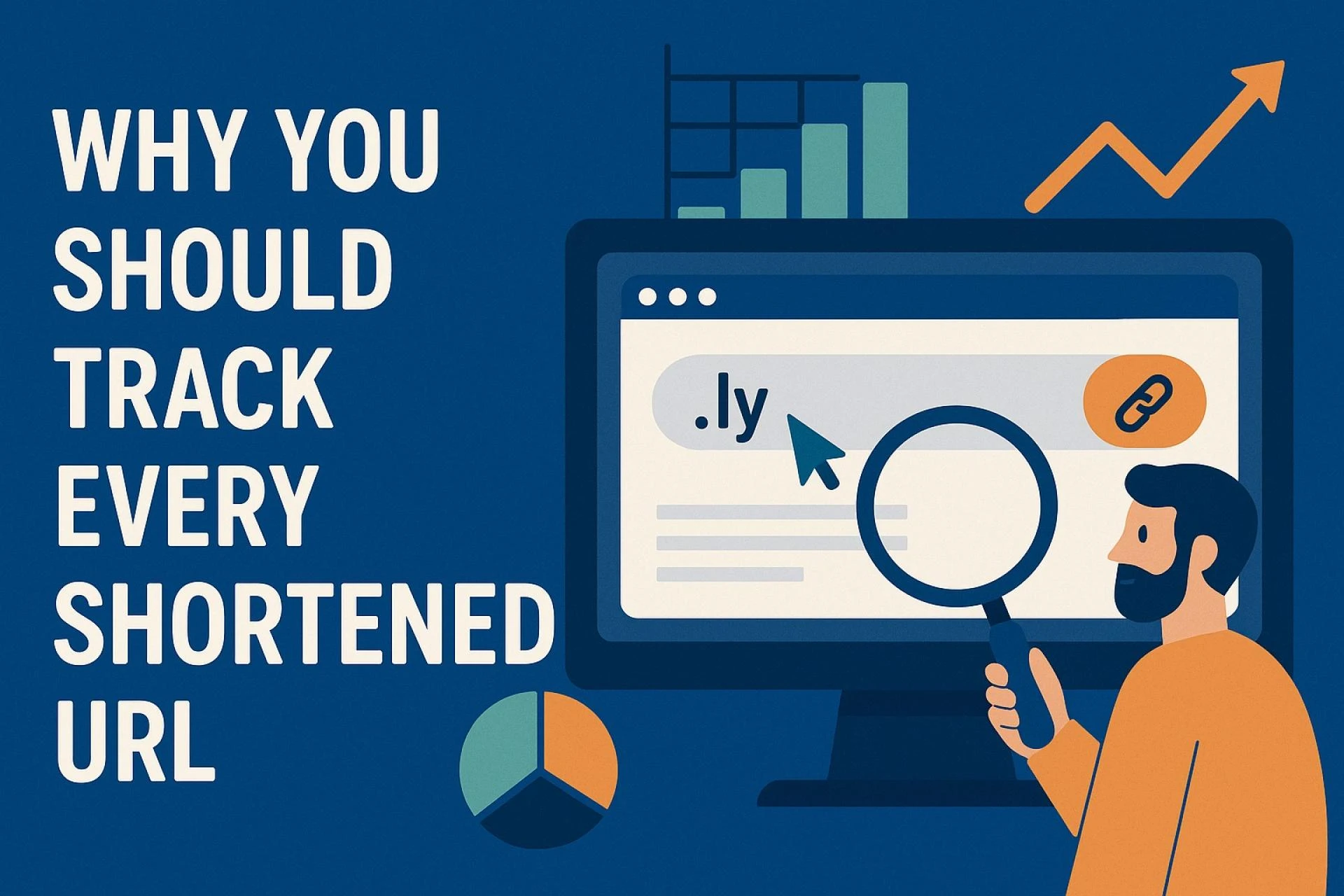

In today’s digital-first world, attention spans are shorter, competition is fiercer, and data is king. Whether you’re running a blog, managing social media, or executing a digital marketing campaign, you’ve probably used shortened URLs to make long, unwieldy links more attractive and easier to share. But shortening a URL isn’t just about saving space—it’s about unlocking valuable insights. That’s why tracking every shortened URL you share isn’t just a smart idea—it’s essential.
Imagine you’re sharing a link across multiple platforms—email, social media, forums, or even printed materials. How do you know which platform is driving the most traffic? How do you determine which audience is engaging with your content? This is where URL tracking comes in. It allows you to go beyond clicks and delve deep into performance metrics. When done right, tracking shortened URLs gives you a clear, data-backed picture of how your digital strategies are performing, what’s working, and what needs improvement.
URL shortening doesn’t just make your links look cleaner—it also gives you the power to monitor user behavior, optimize engagement, and refine your content strategy. Instead of throwing content into the void and hoping for the best, you can make precise, informed decisions that bring real results. That tiny, compact link holds powerful information—if you know how to harness it.
1. Understand Your Audience Like Never Before
One of the biggest benefits of tracking shortened URLs is gaining a crystal-clear understanding of your audience. Every time someone clicks a link, they leave behind a data trail. You can learn where they’re from, what device they’re using, what time they clicked, and which platform brought them there. Over time, this data paints a vivid picture of your audience demographics and behavior.
Let’s say you’re running a campaign across Twitter, Facebook, and email. By using different shortened and trackable links for each platform, you’ll see exactly where your audience is engaging most. Maybe your Facebook followers are more active in the evenings, while your Twitter audience clicks more during lunch hours. With this insight, you can schedule your posts for optimal engagement, creating a personalized experience that resonates.
The more you know about your audience, the more targeted and effective your communication becomes. You’re not just shooting in the dark—you’re delivering content that hits the mark every time.
2. Maximize Campaign Performance
Tracking your shortened URLs isn’t just about knowing what happened—it’s about making things better. If a link isn’t getting clicks, maybe the headline needs to be more compelling, or maybe the placement is off. Without this data, you’re left guessing.
Imagine running two versions of a marketing campaign, each with slightly different messaging. By tracking which shortened link performs better, you’ll get real-time feedback on which version resonates more with your audience. This kind of A/B testing is invaluable when refining your messaging, design, or offers.
You can also measure ROI more accurately. If you’re promoting a webinar, eBook, or product, tracking the links tells you exactly how many people clicked through and took action. That way, you can invest your time and money into strategies that actually work.
3. Spot Trends and Act Quickly
Timing is everything in digital marketing. Sometimes, a post goes viral and starts racking up clicks fast. Other times, something falls flat. By tracking your shortened URLs, you can see trends forming in real-time and respond accordingly.
For example, if a blog post shared on Reddit suddenly starts gaining traction, tracking will show you the spike in traffic. That’s your cue to double down—share the content on more platforms, engage with comments, or even boost the post with paid promotion. On the flip side, if something isn’t performing well, you can quickly adjust or pivot.
This kind of agility is what separates good marketers from great ones. The ability to adapt on the fly, based on hard data, gives you a competitive edge that can make all the difference.
4. Prove the Value of Your Work
Whether you're a freelancer, an agency, or part of an internal marketing team, being able to prove the impact of your work is crucial. It’s not enough to say, “We shared the link.” You need to show the results: how many clicks it got, where they came from, and what action users took afterward.
Tracking your shortened URLs gives you a clean, digestible way to report on performance. You can demonstrate which strategies are working and which need refinement. It also fosters transparency with clients, stakeholders, or team members who want to see data-driven outcomes.
Being able to back up your creative ideas with hard numbers builds credibility. It shows that you’re not just guessing—you’re delivering measurable results that support business goals.
5. Improve Link Management and Organization
When you're dealing with dozens—or hundreds—of links across various campaigns, things can quickly become chaotic. Tracking helps keep everything organized. You can label links, group them by campaign, and revisit them later to analyze performance over time.
Let’s say you launched a campaign last quarter, and now you're planning something similar. By revisiting your tracked URLs, you can see what worked previously, reuse successful strategies, and avoid repeating mistakes. This makes future planning faster and more effective.
It also helps with evergreen content. If a blog post from last year is still generating clicks through a shortened URL, maybe it’s time to update or repromote it. Tracking helps you identify these long-term performers and get more mileage out of your content.
6. Enhance User Experience
Yes, tracking is about data—but it also impacts the user experience. Clean, concise URLs look more professional and trustworthy. Plus, you can create branded links that hint at the content behind the click, giving users a sense of confidence.
When you know where your clicks are coming from and how users behave afterward, you can fine-tune their journey. Maybe people drop off after clicking a link to your sign-up page. That tells you the page might be too long, confusing, or not compelling enough. Fixing those issues improves the overall experience and boosts conversions.
By putting users first, you’re not just tracking for your benefit—you’re making the web a better place for them, too.
7. Detect Fraud and Prevent Abuse
Tracking shortened URLs also helps protect your content and brand. If someone is misusing your links, you’ll notice strange activity—like spikes in clicks from unexpected countries or unusually high traffic at odd hours. This could be a sign of bots, malicious behavior, or unauthorized sharing.
By keeping an eye on your links, you can quickly shut down or replace compromised ones, ensuring your audience stays safe and your reputation intact. It’s an added layer of security in a digital landscape where threats are becoming more sophisticated.
8. Optimize Paid Advertising Efforts
If you’re investing in paid ads, tracking shortened URLs becomes even more critical. You need to know whether those clicks are coming from your ads or other sources. By creating trackable URLs for each ad, you’ll have a clear view of performance, cost-per-click, and conversions.
This insight helps you reallocate your budget to top-performing ads, adjust targeting, and even test different creatives. Without tracking, you might waste money on ads that aren’t delivering results—or worse, keep running ineffective campaigns without realizing it.
9. Create Better Reports and Analytics Dashboards
Most analytics tools allow you to import or integrate tracked links, making your dashboards more comprehensive. Instead of seeing traffic as a blur, you’ll know exactly which content pieces are driving the action.
You can create visual reports with timelines, geographic heatmaps, and engagement metrics—perfect for presentations or internal reviews. These visuals help tell a compelling story that goes beyond just numbers. They show momentum, highlight wins, and offer clear takeaways.
10. Stay Ahead in a Competitive Landscape
Let’s face it—everyone is competing for attention. Inboxes are flooded, feeds are crowded, and algorithms are constantly shifting. Tracking shortened URLs gives you the insight you need to rise above the noise.
By knowing what content connects with your audience, what time to post, and where to focus your efforts, you’ll stay one step ahead. It’s about working smarter, not harder. And in today’s fast-paced digital world, that can make all the difference.
Final Thoughts
Every link you share is a chance to connect, engage, and convert. But if you’re not tracking those links, you’re leaving insights—and potential—on the table. Shortened URLs are more than just neat little packages; they’re powerful tools that, when tracked, unlock a world of opportunity.
So the next time you create a campaign or share a post, don’t just shorten your link—track it. Dive into the data. Use it to grow, refine, and succeed. Because in the digital age, information isn’t just power—it’s your secret weapon.
Use https://shortenworld.com/ to track every shortened link and elevate your content strategy.
























Sign in to leave a comment.