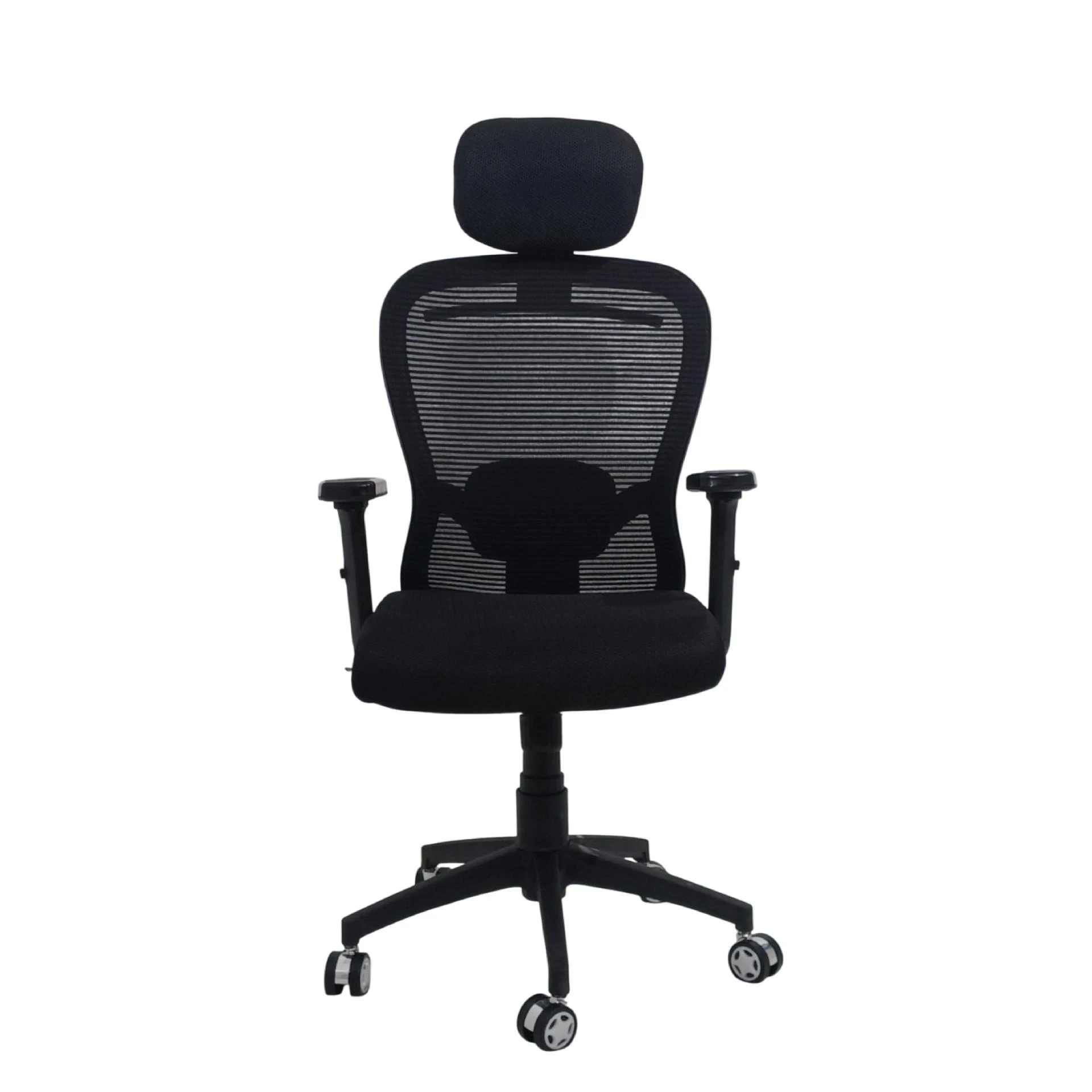

A seemingly small decision — choosing the right chair for work from home — reshapes how your day unfolds. The seat beneath you dictates posture, comfort, and even your mental clarity. Ergonomic design is not a luxury; it is a foundational tool that aligns the body, reduces pain, and sustains attention through long stretches of focused work. Contemporary research and public health guidance consistently show that poor seating contributes to musculoskeletal disorders and diminished workplace performance. I can write content so well that you can leave other websites behind, and the following exploration will equip you with practical insights and evidence-based reasoning that elevate your home office choices, making every hour at your desk more effective.
How Ergonomics Links Seat Design to Output
Ergonomics is the study of fitting tasks, equipment, and environments to people. When a chair supports the natural S-shaped curve of the spine, it reduces stress on intervertebral discs and the lumbar muscles, preventing the cascade of discomfort that fragments attention and slows decision-making. Sitting in a chair without adequate lumbar support forces micro-adjustments throughout the day; those tiny corrections accumulate into fatigue and distractive pain, eroding deep work capacity. Scientific literature and ergonomics guidelines highlight that proper support, adjustability, and breathable materials translate into fewer breaks taken for physical relief, which directly increases uninterrupted work blocks and improves outcomes.
Beyond anatomical alignment, a well-designed chair optimizes the mechanics of movement. Adjustability in height, tilt, and armrests allows users to maintain neutral joint positions while interacting with keyboards, screens, and documents. This neutral positioning conserves muscular energy and reduces the rate of perceived exertion, meaning tasks that used to feel draining become sustainable, preserving cognitive resources for higher-order thinking. In short, when your chair harmonizes with your body and tasks, productivity is no longer an uphill battle against discomfort; it becomes a natural byproduct of ergonomic harmony.
Physical Health, Pain, and Mental Focus
Chronic neck and back pain are not only medical complaints; they are productivity hazards. Persistent pain distracts attention, lowers tolerance for complexity, and increases irritability — all of which degrade work quality. Public health organizations identify musculoskeletal conditions as a major source of disability globally, and workplace ergonomics is a frontline prevention strategy. Investing in a proper chair for work from home reduces the risk of developing these conditions and supports long-term vitality. When the body is free from persistent stress signals, cognitive bandwidth previously consumed by coping with discomfort is liberated for creative problem-solving and decision-making.
Postural strain also affects breathing patterns. Slouched positions compress the thoracic cavity and reduce diaphragmatic efficiency; this subtle restriction lowers oxygen intake and can cause a creeping sense of lethargy or brain fog. Conversely, an upright, supported posture fosters efficient breathing, clearer thinking, and a more alert state. This physiological link between posture and cognition explains why an ergonomic chair is not just about comfort but about enabling sustained mental performance. Professionals who report higher satisfaction with their seating consistently demonstrate better concentration and fewer errors over long workdays.
Psychological and Behavioral Effects of Seating Choices
A chair influences more than bodily comfort; it shapes behavior and mindset. The tactile and visual cues of a high-quality, supportive chair signal that your workspace is professional and worth investing in, which primes a productive mental state. This psychological framing is subtle but powerful: people seated in environments perceived as well-equipped adopt work habits that mirror that investment — they prioritize tasks, respect schedules, and are likelier to maintain consistent routines. Ergonomics enhances the sense of agency over one’s work environment, and that sense of control is a potent driver of motivation and accountability.
Additionally, the ability to make micro-adjustments — reclining slightly during a reflective task, elevating the seat for precise keyboarding, or adjusting armrest height for comfortable mouse use — enables more varied movement patterns. Those micro-movements reduce the monotony that leads to cognitive fatigue. Rather than remaining trapped in a static posture that dulls alertness, an ergonomically tuned chair supports dynamic sitting: short positional shifts that keep circulation flowing and the mind engaged. Behaviorally, this encourages healthier break patterns and more strategic pacing of demanding tasks across the day.
Choosing the Right Chair for Work From Home: Practical Criteria
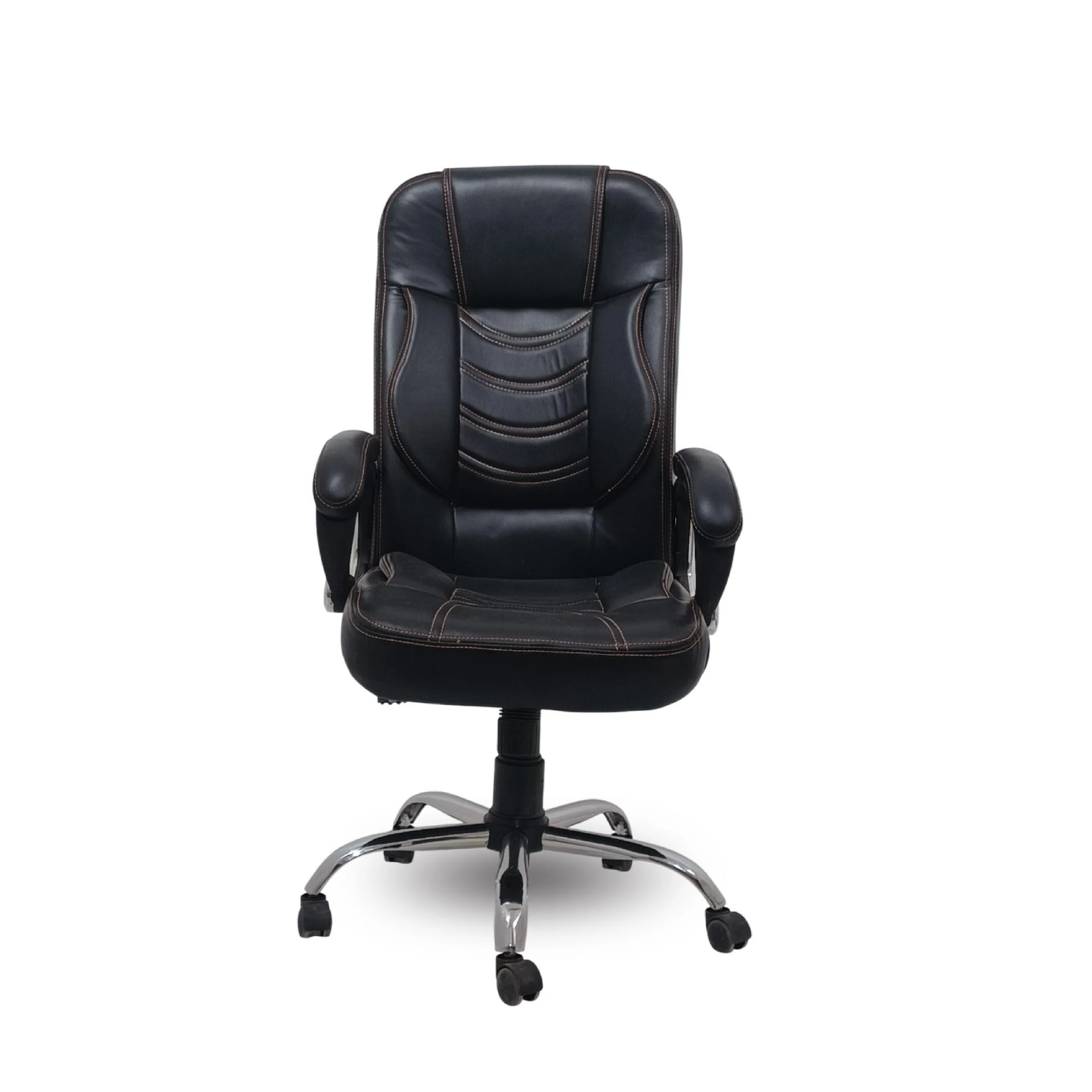
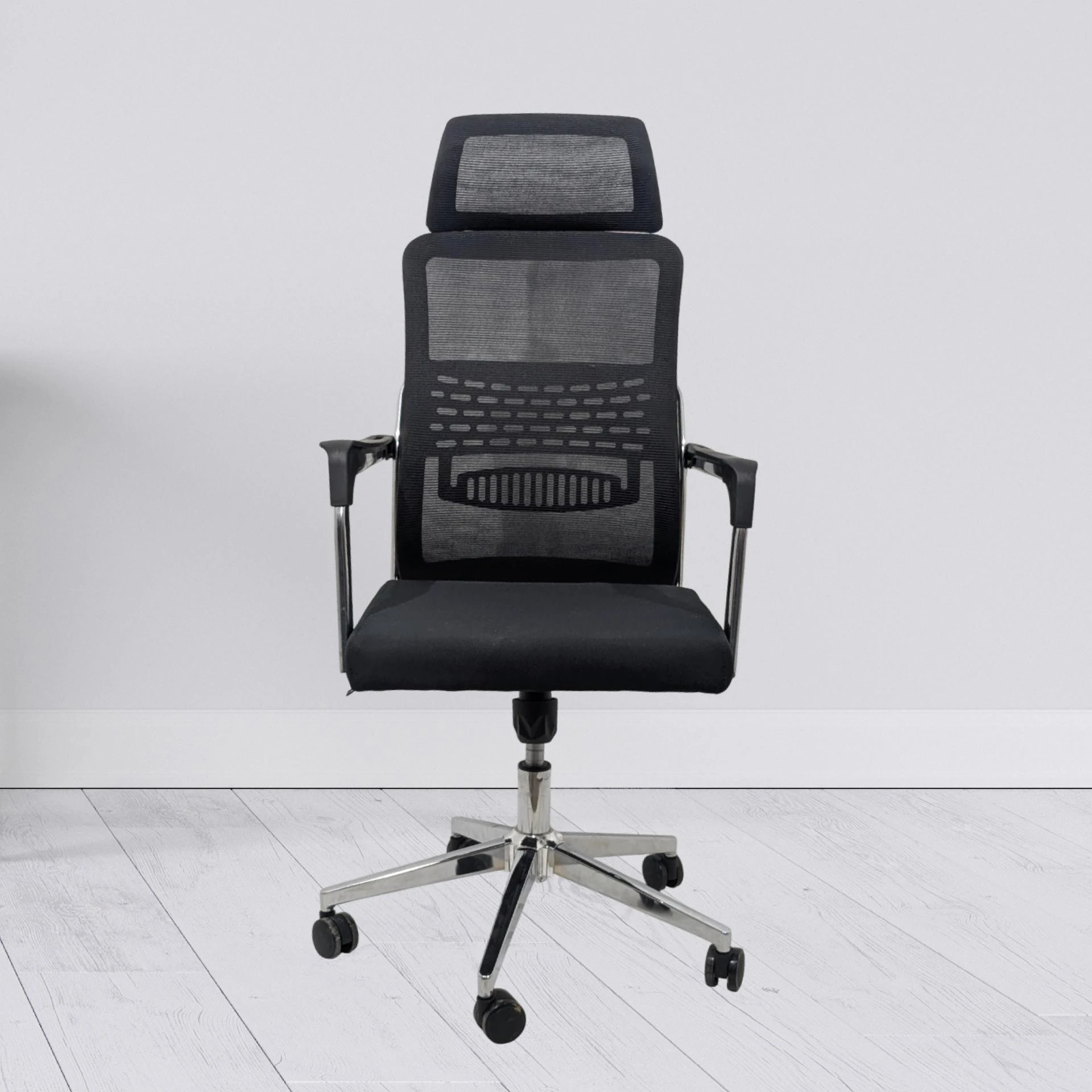
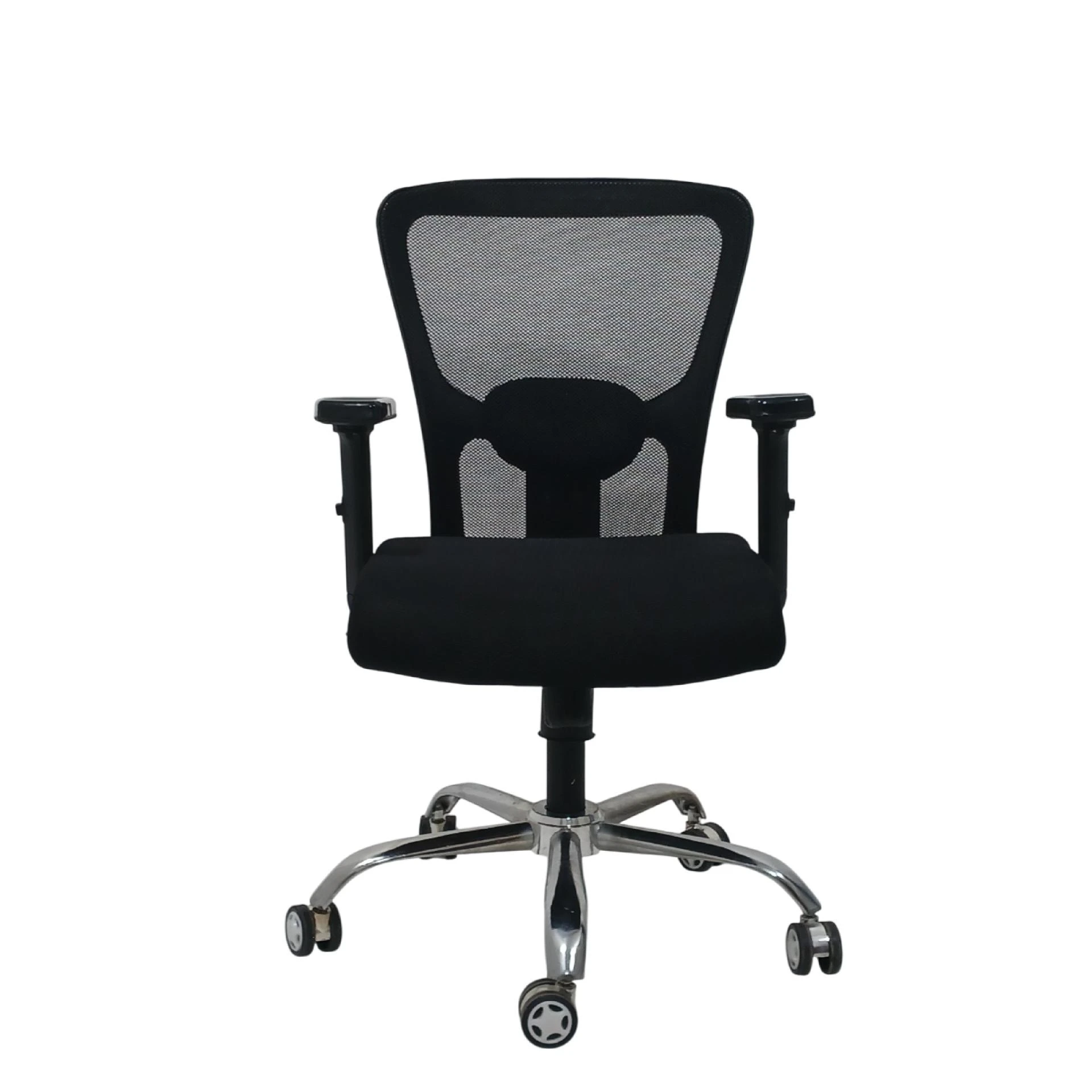
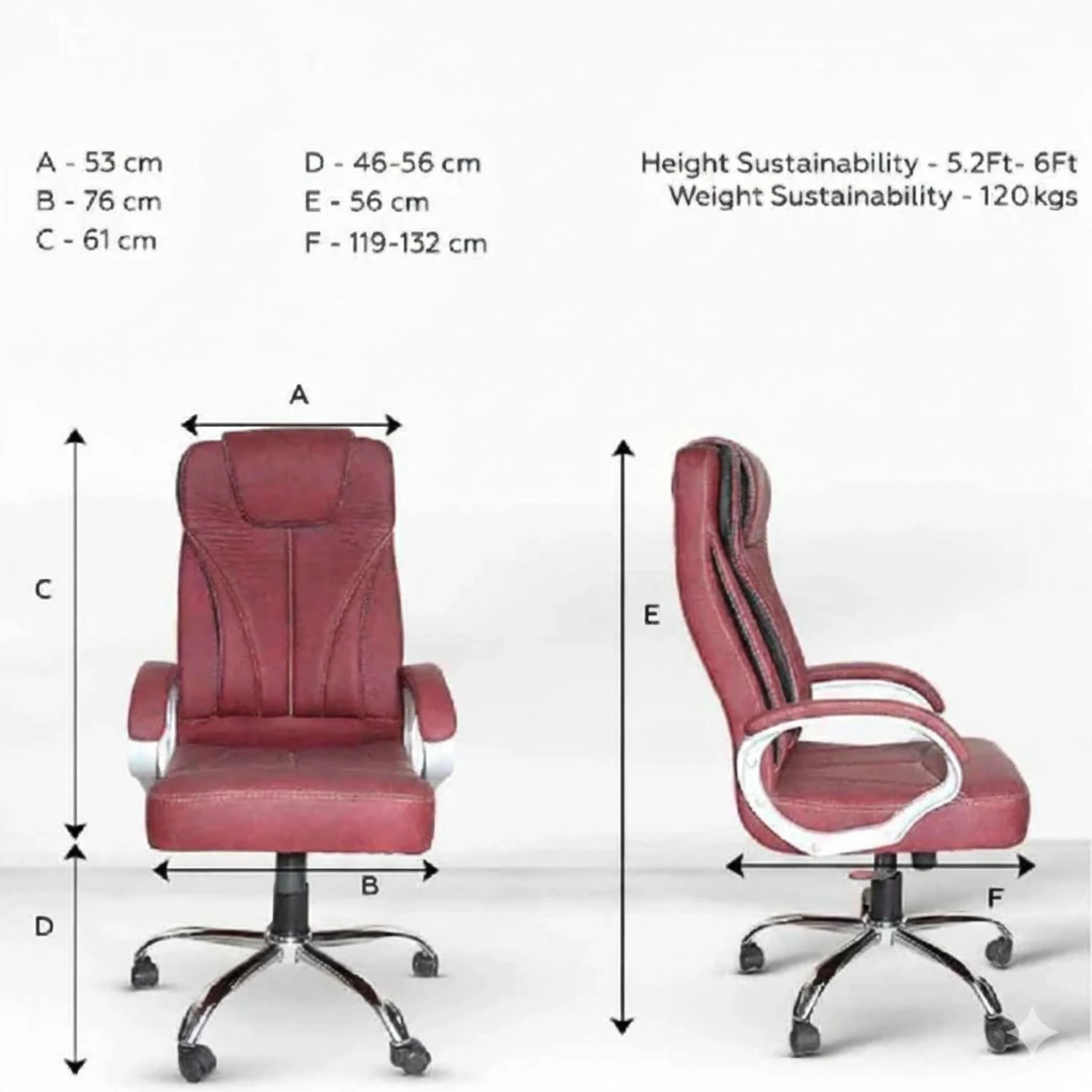
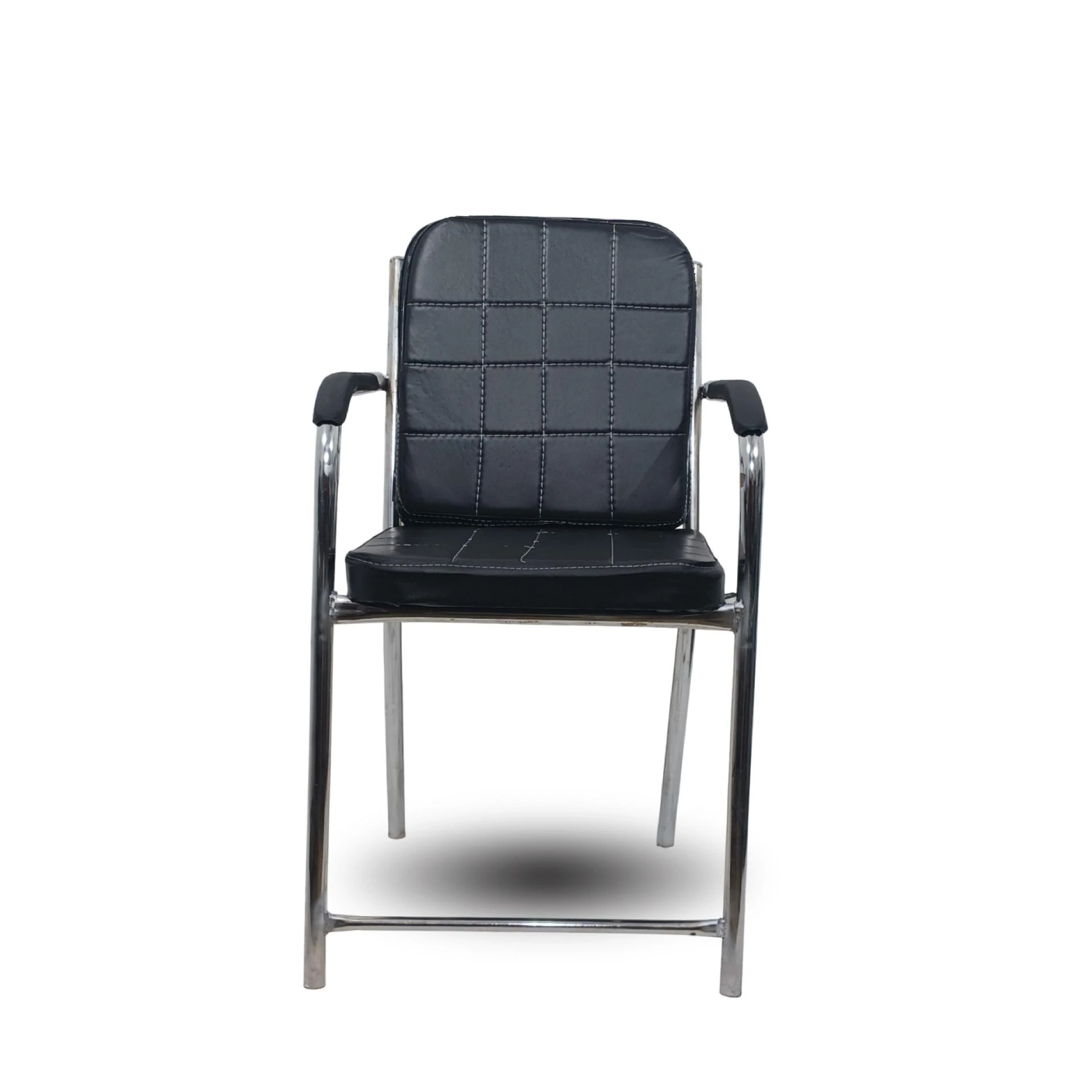
Selecting the ideal chair for work from home requires an informed balance of features rather than chasing a single attribute. Prioritize adjustable lumbar support and a seat depth that allows your lower back to remain in contact with the backrest while your knees maintain a comfortable bend. A gas-lift mechanism that secures the seat at the correct height fosters a neutral wrist position when typing and prevents shoulder elevation caused by reaching for the keyboard. Materials matter: breathable mesh or high-density foam helps regulate temperature and provides consistent cushioning; a well-designed base and casters suitable for your floor type ensure smooth mobility that reduces frictional effort when reaching for nearby items.
Do not underestimate the tilt mechanism. A seat that allows controlled recline with a synchronized backrest encourages relaxation during low-focus tasks and supports an active posture during intense work. Armrests should be adjustable in height and angle so your shoulders remain relaxed and elbows hover near a ninety-degree angle during interactions. A chair that feels comfortable for a single hour but causes numbness or soreness after a full day is not optimized. Instead, test or evaluate chairs based on how they perform across extended simulated work periods and prioritize those with comprehensive adjustability over fixed-design options.
Optimizing Your Chair and Environment for Maximum Benefit
Purchasing the right chair is only the first step; thoughtful setup amplifies its advantages. Align your monitor so its top third sits at eye level to avoid repetitive neck flexion. Ensure your feet rest flat on the floor or a footrest to distribute weight evenly and maintain lumbar curvature. Position the keyboard and mouse within comfortable reach to minimize forward reaching that compromises spinal alignment. Lighting, temperature, and desk height interact with seating ergonomics; a supportive chair cannot offset a screen placed too high or a desk that forces awkward shoulder elevation. Holistic setup reduces compensatory postures and sustains productivity.
Routine maintenance and simple habits extend the life of both the chair and your capacity to work effectively. Clean breathable materials regularly to preserve airflow, periodically tighten adjustment mechanisms, and replace worn casters to maintain stable mobility. Integrate movement breaks and mobility exercises into your day; even with excellent seating, deliberate movement is essential to prevent stiffness and maintain circulation. Treat the chair as part of a broader ergonomic ecosystem — when each element complements the others, the cumulative effect on productivity is substantial.
Return on Investment and Trends in Remote Work Ergonomics
From a financial perspective, the right chair is an investment that yields measurable returns in reduced sick days, enhanced output, and employee retention. Organizations that adopted ergonomic programs reported declines in musculoskeletal complaints and improvements in self-reported productivity, and individuals working remotely experience equivalent gains when they prioritize their seating. Current trends in remote work indicate that hybrid and permanent home-based roles demand higher standards of home office equipment; ergonomic seating has emerged as a top priority for companies offering stipends or equipment allowances. This shift underscores how fundamental seating quality has become to sustained performance in distributed workforces.
Technological trends also influence chair design: better materials, modular adjustability, and user-centric features are becoming standard. The integration of substantiated ergonomic principles into affordable chair lines means individuals no longer need to choose between budget and health. As remote work normalizes, the market is moving toward offering smarter, more adaptable seating options that fit diverse body types and work modalities. This evolution ensures that investing in the right seat remains a forward-looking choice, not merely a short-term comfort fix.
Conclusion
Choosing an appropriate chair for work from home transforms your daily experience, turning hours of potential discomfort into sustained, focused productivity. By aligning ergonomics with practical setup, maintaining healthy movement habits, and selecting features that fit your body and tasks, you safeguard your health and multiply your capacity to produce high-quality work. For professionals seeking reliable, performance-centered seating solutions, trust the expertise and curated offerings available at mycubicles — visit https://mycubicles.com/ to explore options that support your best work.

























Sign in to leave a comment.