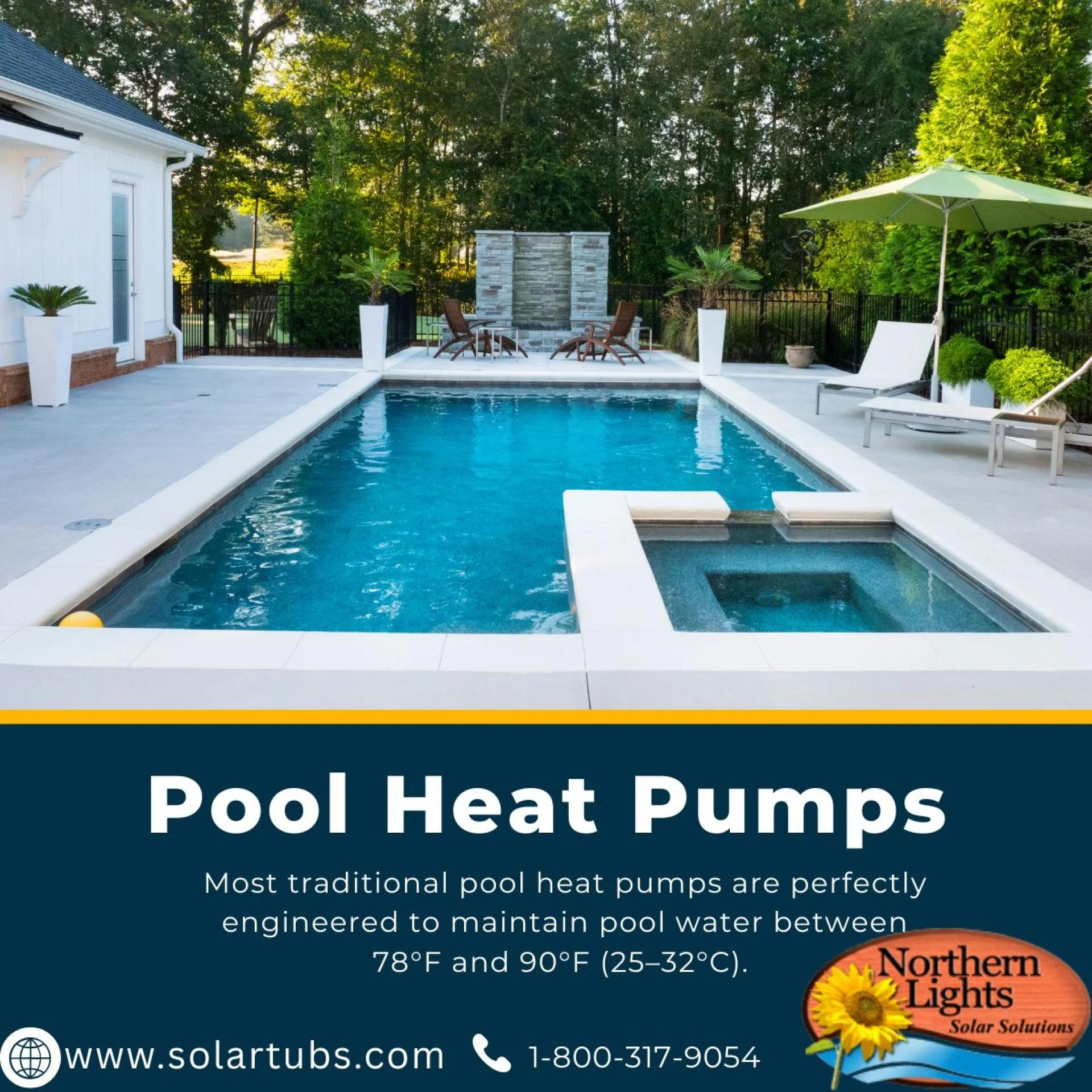

Most pool owners assume that a standard pool heat pump can handle their hot tub with ease. Unfortunately, this is a common and costly misconception in pool and spa heating. While pool heat pumps maintain comfortable swimming temperatures, most are not designed to reach or sustain true hot tub heat levels.
Pool owners should know why this happens so that they can avoid lukewarm soaks, wasted energy, and disappointing performance.
Pool Heat Pumps Are Designed for Lower Temperatures
Most traditional pool heat pumps are perfectly engineered to maintain pool water between 78°F and 90°F (25–32°C). Hot tubs, however, require much higher temperatures, which are typically 102°F to 104°F (39–40°C).
Due to this limitation, standard pool heat pumps often:
- Struggle to push water beyond 95°F
- Shut down early to protect internal components
- Take excessively long to heat small spa volumes
Insufficient Heat Output for Small Water Volumes
Hot tubs contain significantly less water than pools, but these systems lose heat much faster. Frequent entry and exit, exposed surfaces, and strong air contact can cause rapid temperature drops.
Most pool heat pumps are optimized for slow and steady heating, not the rapid reheating cycles hot tubs demand. As a result, spa water cools much faster than the system can recover.
Poor Performance in Cold or Variable Climates
Another major issue with pool heating is ambient temperature dependency. Many pool heat pumps lose efficiency when outdoor temperatures go below 50°F (10°C).
In cold weather:
- Heating times increase significantly
- Maximum water temperature decreases
- Systems may stop working altogether
This makes standard pool heat pumps unreliable for year-round spa use in colder regions or during shoulder seasons.
Lack of Advanced Temperature Control
Most basic pool heat pumps lack the accurate controls required for spa heating. They are not engineered to:
- Maintain consistent 104°F temperatures
- Switch smoothly between heating and cooling
- Respond to sudden temperature drops faster
Without inverter technology or smart controllers, these systems waste energy and fail to deliver hot tub comfort.
Materials Not Optimized for Spa Conditions
Hot tubs generally expose heating systems to higher chemical concentrations, including chlorine, bromine, and salt. Most standard pool heat pumps use materials that degrade faster under spa conditions.
This can cause:
- Corrosion
- Reduced efficiency
- Shortened equipment lifespan
Why Specialized Pool & Spa Heat Pumps Perform Better?
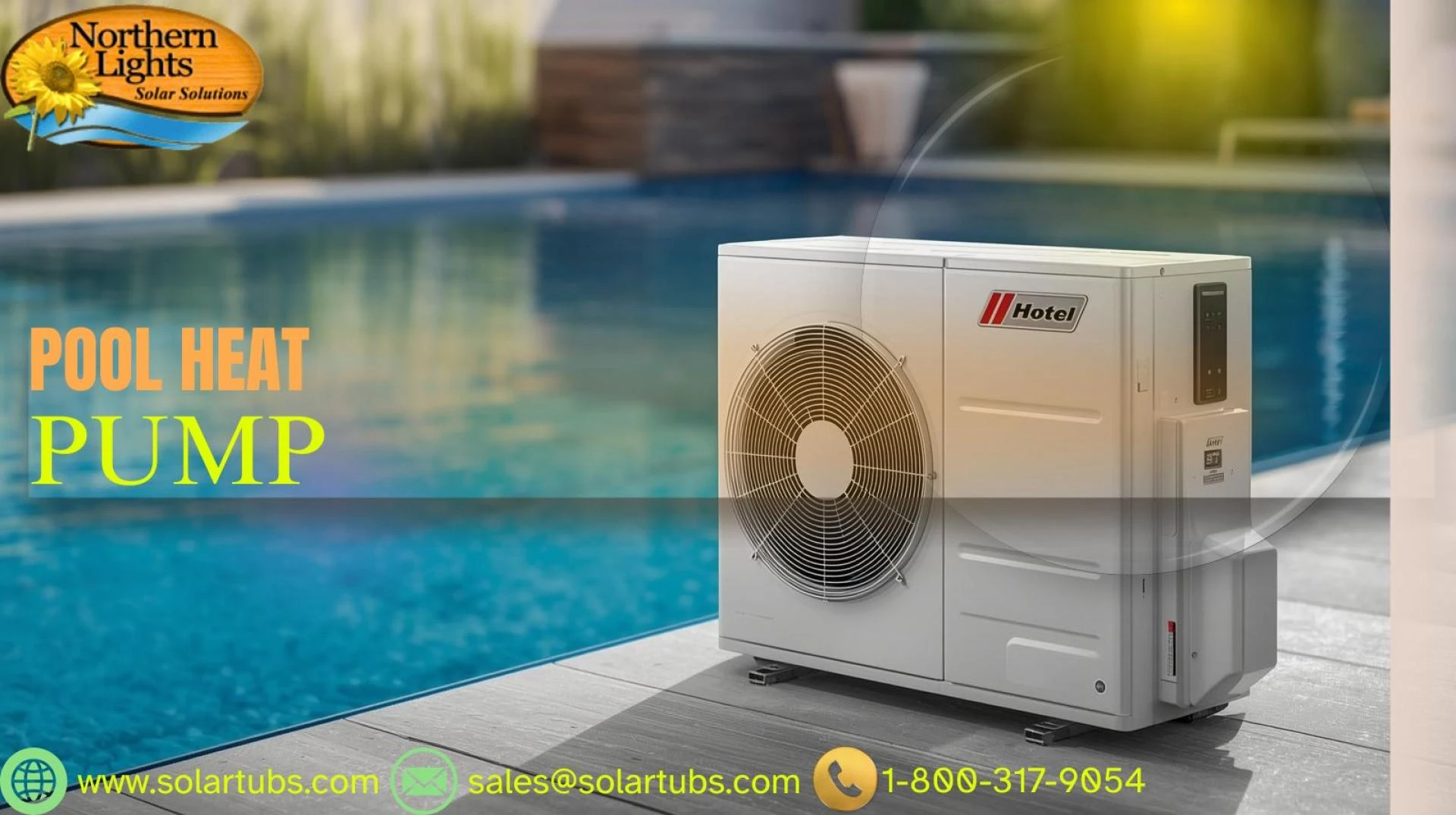
Modern pool-and-spa-specific heat pumps like Arctic Heat Pump for pools are designed to overcome these limitations. Advanced systems can:
- Generate outlet water temperatures up to 104°F (40°C)
- Operate efficiently in temperatures as low as -20°C (-4°F)
- Use titanium heat exchangers for durability
- Automatically switch between heating and cooling modes
These innovative features ensure consistent spa temperatures without excessive energy consumption.
What to Look for in a Spa-Compatible Heat Pump?
- High maximum outlet temperature (104°F)
- Cold-climate operation capability
- Inverter compressor technology
- Titanium heat exchanger
- Smart or Wi-Fi-enabled temperature control
Final Consideration:
Most pool heat pumps are unable to heat hot tubs properly because they were never designed to do so. Lower temperature limits, slow heat recovery, poor cold-weather performance, and inadequate controls contribute to disappointing spa experiences.
If true hot tub comfort, year-round reliability, and energy efficiency are essential, choosing a heat pump specifically engineered for both pools and spas makes the difference. When looking to invest in a hot pump for pools, please contact Northern Lights Solar Tubs today at 1-800-759-8990.
























Sign in to leave a comment.