

Rubber mat and PVC tube systems can work effortlessly during peak summer. With their rounded tube shape and lightweight construction, these systems lose heat faster in windy or cooler conditions. Unfortunately, this is exactly when most pool owners want heating the most, especially during spring and autumn.
Most pool owners assume that a standard pool heat pump can handle their hot tub with ease. Unfortunately, this is a common and costly misconception in pool and spa heating. While pool heat pumps maintain comfortable swimming temperatures, most are not designed to reach or sustain true hot tub heat levels.
Air temperature has a significant role, but it does not work alone. Warm daytime temperatures can reduce heat loss, especially when combined with strong sunlight. However, cooler nights can lower water temperature quickly due to heat escaping into the air.

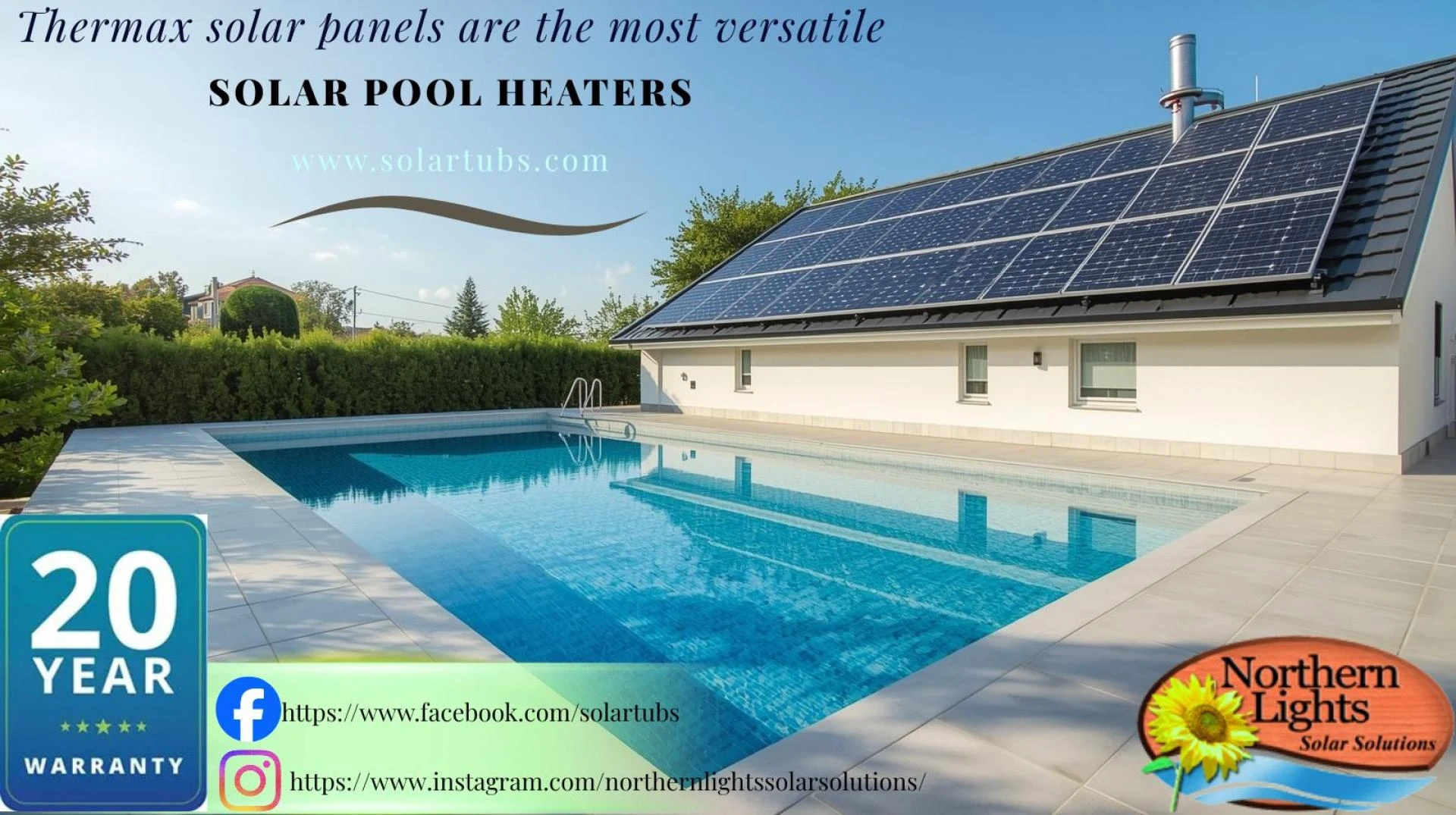
Solar pool heaters use energy from the sun to heat the swimming pool water. A pump circulates water through solar collectors, usually installed on a roof or another area with strong sun exposure. When water passes through the collectors, it absorbs heat before returning to the pool at a higher temperature.
Most pool heat pumps are optimized for slow and steady heating, not the rapid reheating cycles hot tubs demand. As a result, spa water cools much faster than the system can recover.
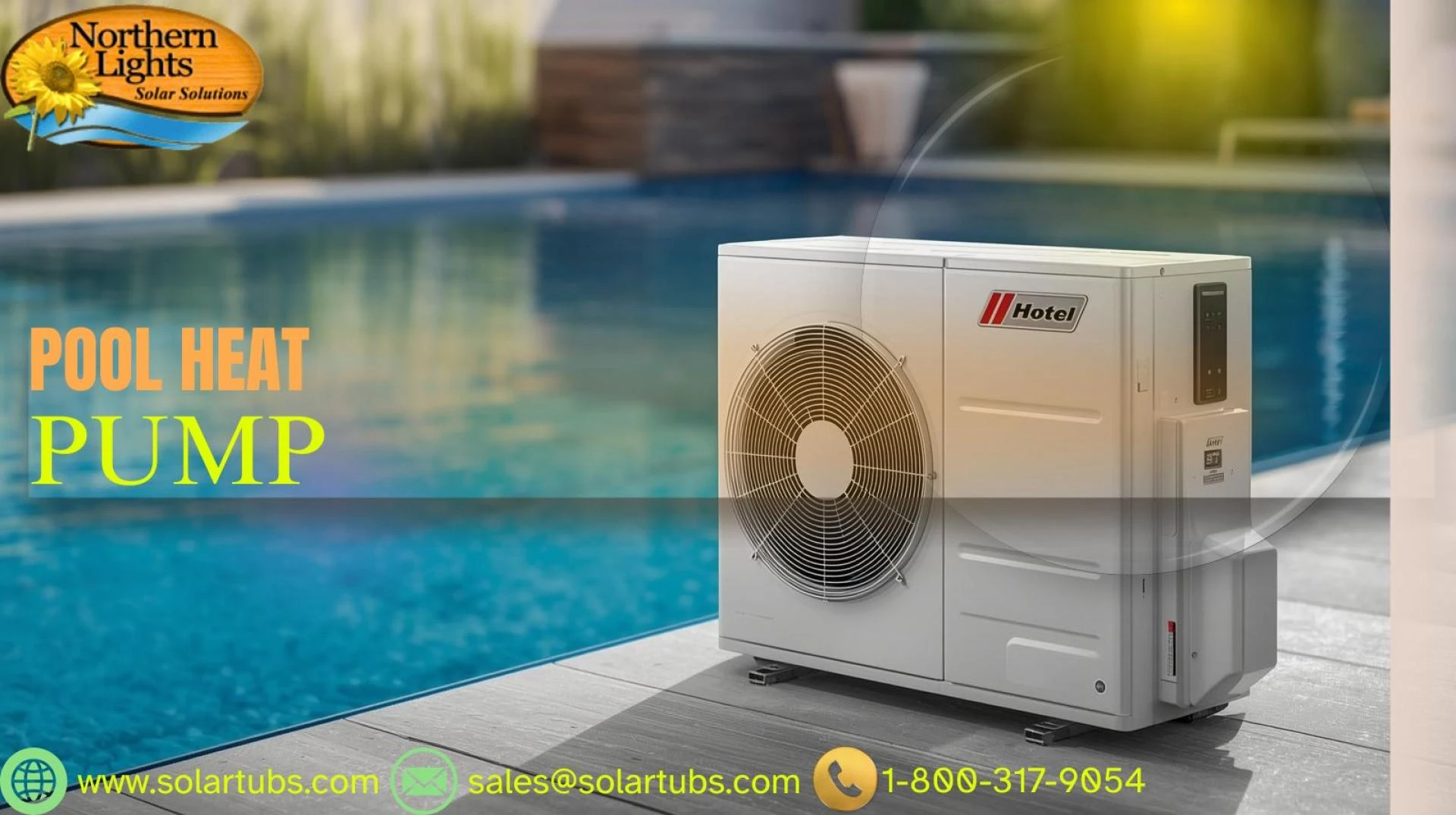
Are you looking to maintain the comfort and enjoyment of your pool or spa? If yes, then one of the most important components in your heat pump system is the heat exchanger. It transfers heat efficiently between the heating element and the water and ensures that your pool stays at the perfect temperature.

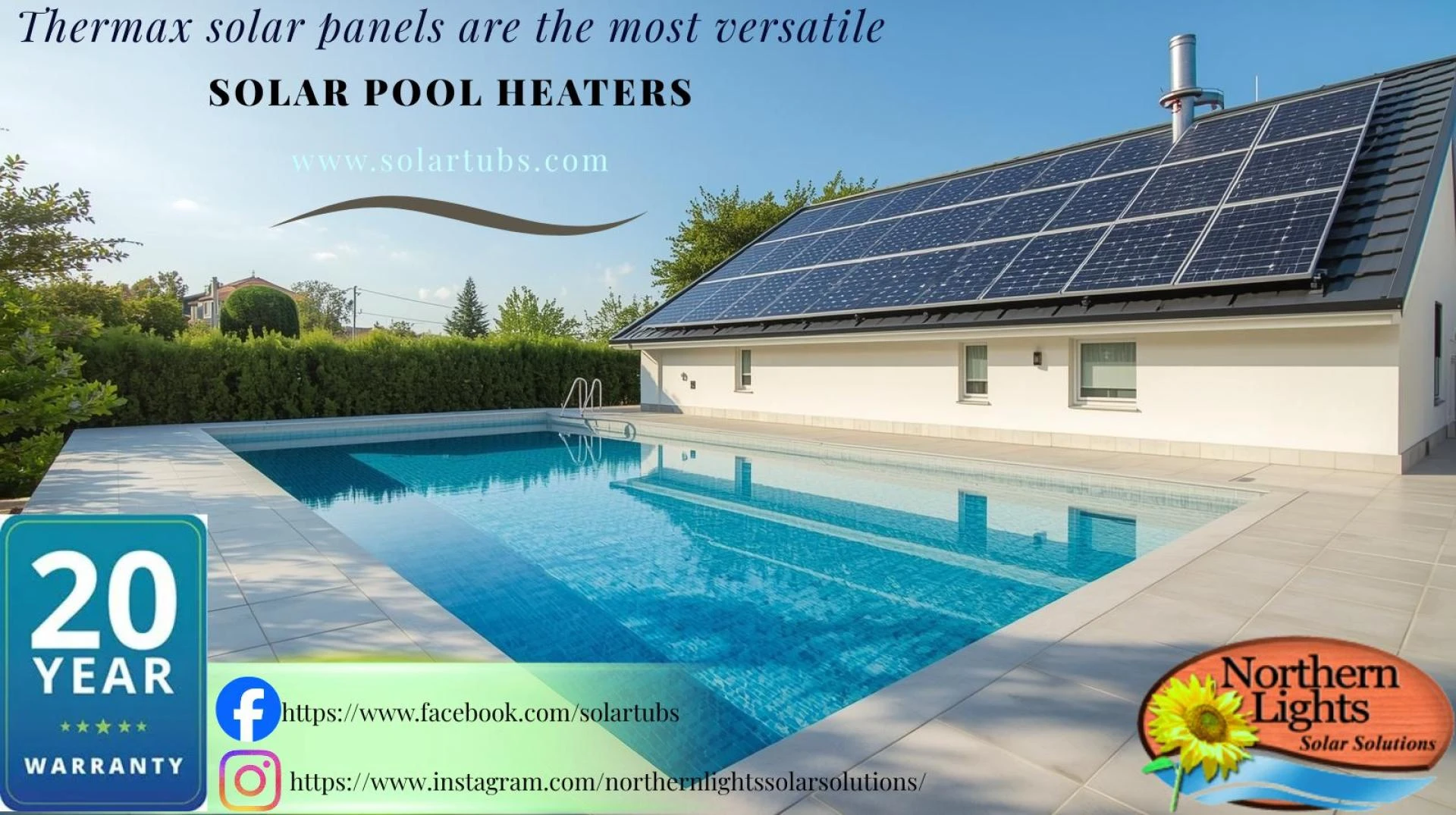
Thermax solar panels are the versatile options available on the market today, offering unprecedented flexibility in installation, durability, and high performance in cooler weather.
Once all plumbing and electrical connections are done, you can activate your pool pump. You should open valves to allow water to flow through the solar panels and check for leaks and even water distribution.
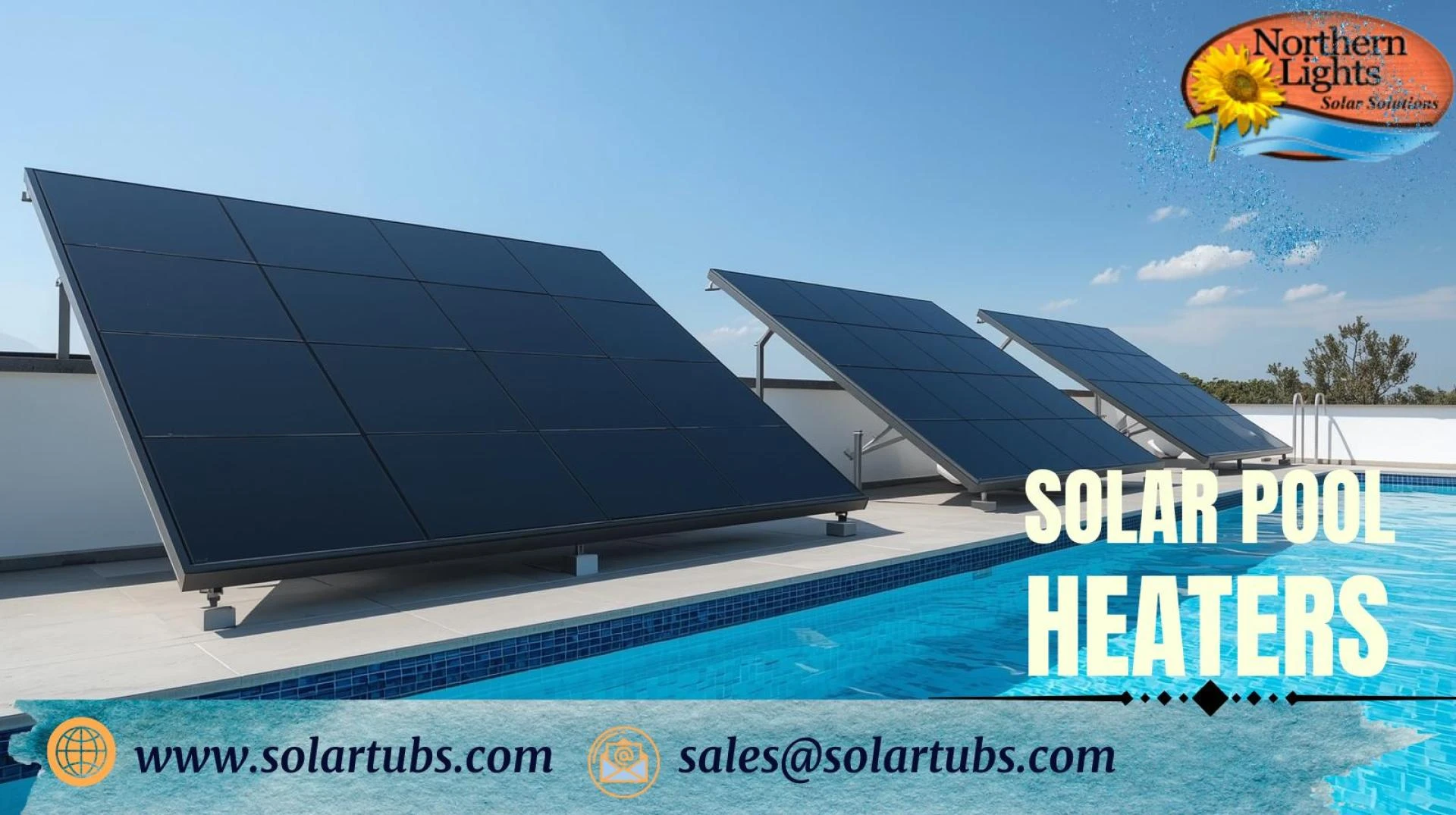
Thermax solar panels are known for their adaptability and strong performance in various climates. Many systems falter in extreme temperatures, and Thermax panels operate efficiently regardless of heat or cold. This makes them an excellent choice for year-round solar pool heating.

A heat exchanger in a pool heat pump helps in transferring heat from the heating element or refrigerant into the pool water. It should be highly efficient in conducting heat and must withstand constant exposure to pool chemicals and water conditions. Metal fatigue, corrosion, and scaling over time can impair efficiency or cause leaks that compromise the system completely.

THERMAX solar swimming pool heaters stand apart for their single extruded HDPE (high-density polyethylene) construction.
Are you deciding whether a solar heater is right for a pool? It involves weighing several important factors like climate, sun exposure, pool size, and