


Will CAD Drafters Be Replaced by AI?
It's one of the most searched questions in the AEC industry right now and for good reason. Artificial intelligence is reshaping nearly every profession, and CAD drafting is no exception. But does that mean CAD drafters are headed for extinction?
The short answer: No. The longer answer reveals a more nuanced shift one where AI changes how drafters work, not whether they're needed at all.
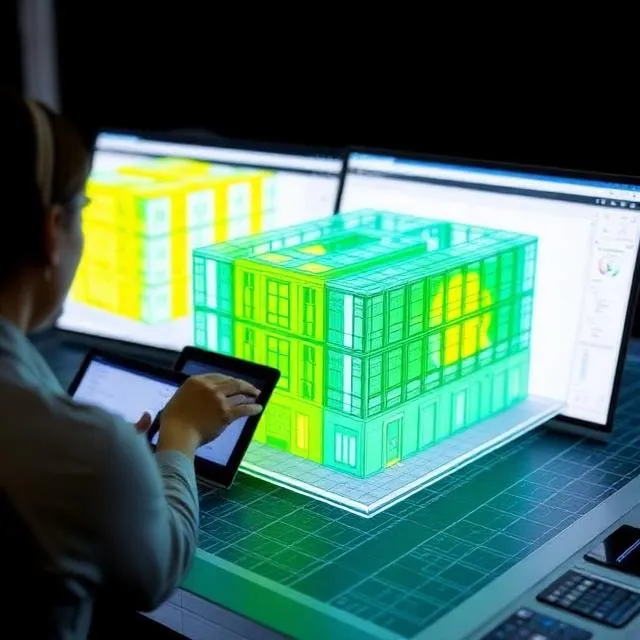
What AI Can Currently Do in CAD and BIM
AI has made genuine, measurable inroads into drafting and design workflows. Here's where it's already making an impact:
1. Generative Design Tools like Autodesk's generative design features can automatically produce dozens of design iterations based on constraints like material, load, and cost. This speeds up early-stage design exploration significantly.
2. Automated Drawing Generation Some platforms can auto-generate basic floor plans, elevation views, or structural grids from input parameters cutting down repetitive drafting tasks.
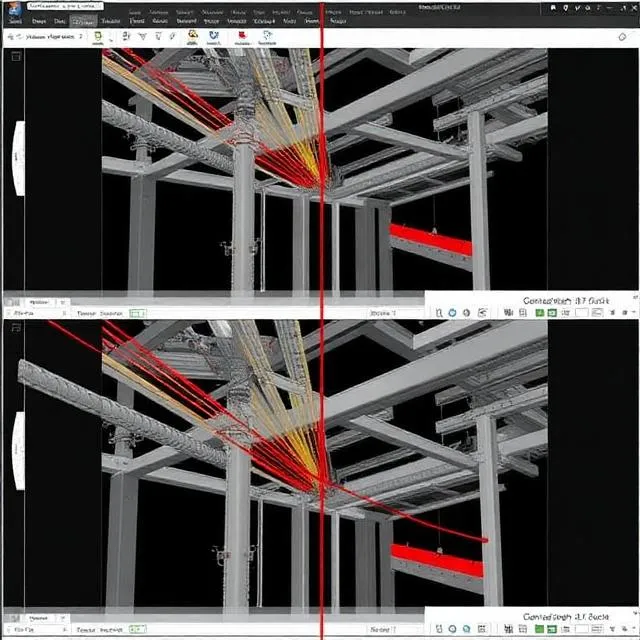
3. Clash Detection and Coordination AI-powered BIM platforms like Revit and Navisworks can flag clashes between MEP, structural, and architectural systems automatically a task that once required hours of manual review.
4. Quantity Takeoffs and Scheduling AI tools can extract material quantities and generate schedules directly from BIM models, reducing manual data entry and human error.
5. Drawing Review and QA Emerging AI tools can scan permit sets for missing annotations, inconsistent dimensions, or code conflicts functioning as an automated QA layer.
These capabilities are real and growing. But they tell only half the story.
What AI Cannot Do (Yet)
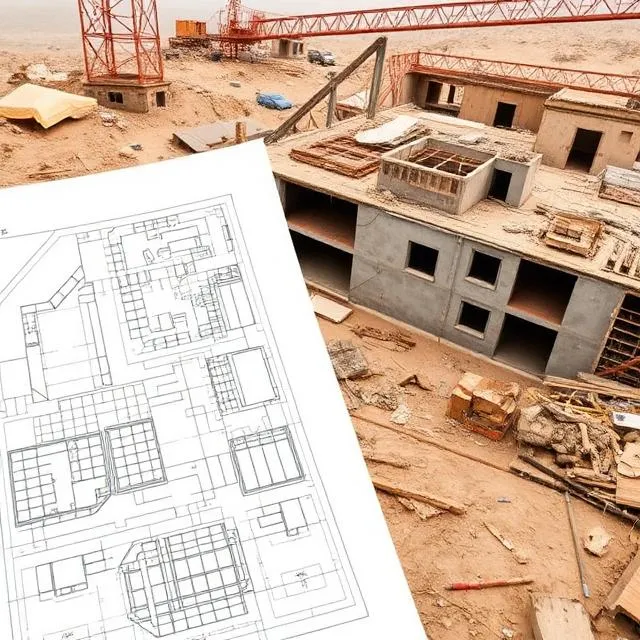
For all its speed, AI in AEC has hard limits and they matter enormously on real projects.
1. Interpreting Site Conditions Every project site has unique constraints soil conditions, existing utilities, grade changes, setbacks, easements. Translating those field realities into accurate drawings requires human judgment that AI cannot replicate from parameters alone.
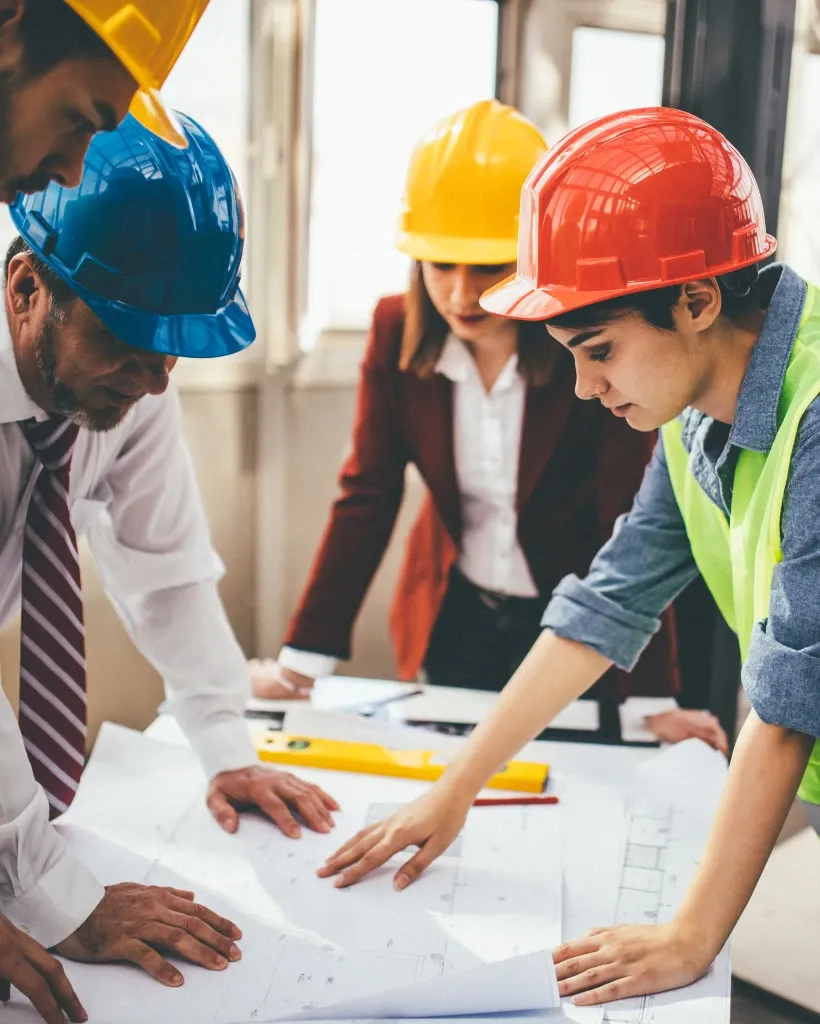
2. Cross-Discipline Coordination MEP coordination involves resolving conflicts between structural, mechanical, electrical, and plumbing systems in tight spaces. This requires spatial reasoning, engineering instinct, and real-world construction knowledge not just pattern recognition.
3. Code Compliance in Specific Jurisdictions Building codes vary by city, county, and state. An experienced drafter knows that what passes plan check in Florida may fail in California. AI tools trained on general data cannot reliably navigate hyper-local code requirements.
4. Client Communication and Revisions Clients change their minds. Architects refine their vision. Contractors flag field issues. Managing those revisions understanding intent, asking the right questions, and updating drawings accordingly requires human communication skills.
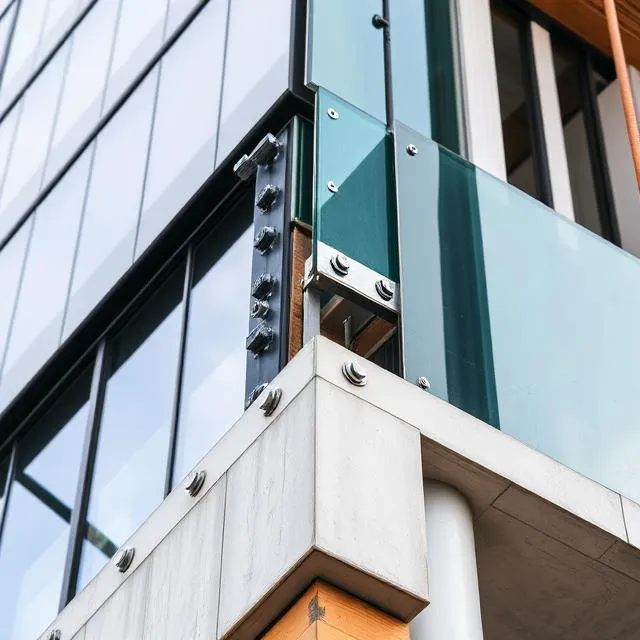
5. Complex Custom Detailing Structural detailing for custom connections, unusual geometries, or non-standard materials still demands experienced technical drafters who understand construction sequences and fabrication logic.
How the Role of CAD Drafters Is Evolving
Rather than disappearing, the CAD drafting role is expanding and upgrading. Here's what that looks like in practice:
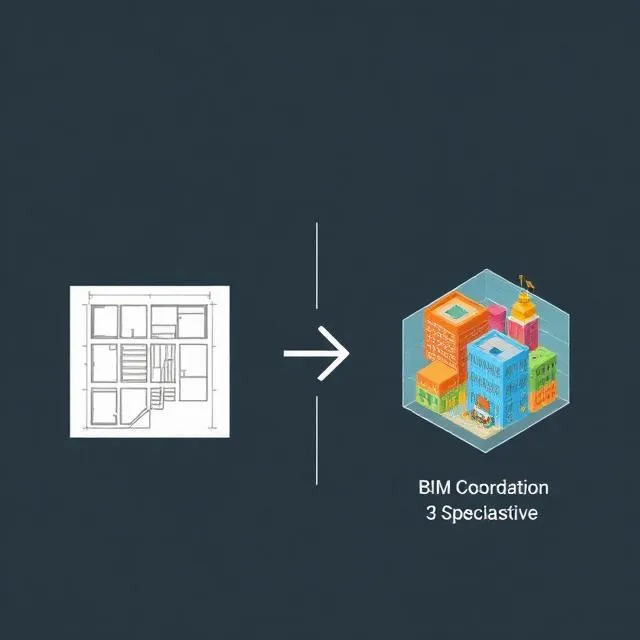
- From 2D to BIM-first workflows - Drafters who once worked exclusively in 2D AutoCAD are now expected to build and coordinate in Revit, ArchiCAD, and other BIM platforms. BIM modeling services require drafters with spatial thinking and model management skills.
- From drafting to coordination -Many experienced drafters now function as BIM coordinators, managing federated models and resolving multi-discipline conflicts rather than just producing drawings.
- From generalist to specialist - Specializations like facade engineering, land survey drafting are growing in demand precisely because they require deep domain knowledge that AI cannot easily commoditize.
The drafters most at risk are those doing purely repetitive, low-complexity 2D work with no upskilling. The ones most resilient are those embracing BIM, coordination, and specialty services.
Which AEC Roles Are Most at Risk vs. Most Resilient?
| Role | Risk Level | Reason |
|---|---|---|
| Basic 2D CAD drafting (repetitive) | Higher | Automation handles simple geometry and layouts |
| BIM Technician / Coordinator | Low | Requires model management, judgment, coordination |
| Structural Detailer | Low | Complex detailing demands construction knowledge |
| MEP Drafter / Coordinator | Low | Multi-system coordination needs human oversight |
| Civil / Survey Drafter | Low | Site-specific data interpretation required |
| Facade Specialist | Very Low | Custom geometry, materials, and code compliance |
What This Means for Firms Hiring Drafting Services
If you're an architectural or engineering firm evaluating your drafting strategy, here's the practical takeaway:
- AI tools are augmenting drafters, not replacing them - The most productive teams are those pairing experienced human drafters with AI-assisted workflows.
- Outsourced drafting remains cost-effective and scalable - Offshore and nearshore drafting partners give firms access to skilled BIM and CAD professionals without the overhead of in-house hiring.
- Quality control still requires human eyes - Every AI-generated output needs expert review before it goes to a client or building department.
Firms that understand this balance are pulling ahead. Those waiting for AI to "handle it all" are setting themselves up for costly errors and missed deadlines.
Final Thoughts
AI is a powerful tool in the AEC drafting space but it is a tool, not a replacement. The future belongs to CAD drafters and BIM professionals who use AI to work faster and smarter, not those who compete against it.
The real question isn't "Will CAD drafters be replaced by AI?" it's "Are your drafters evolving fast enough to stay ahead of it?"



























Sign in to leave a comment.