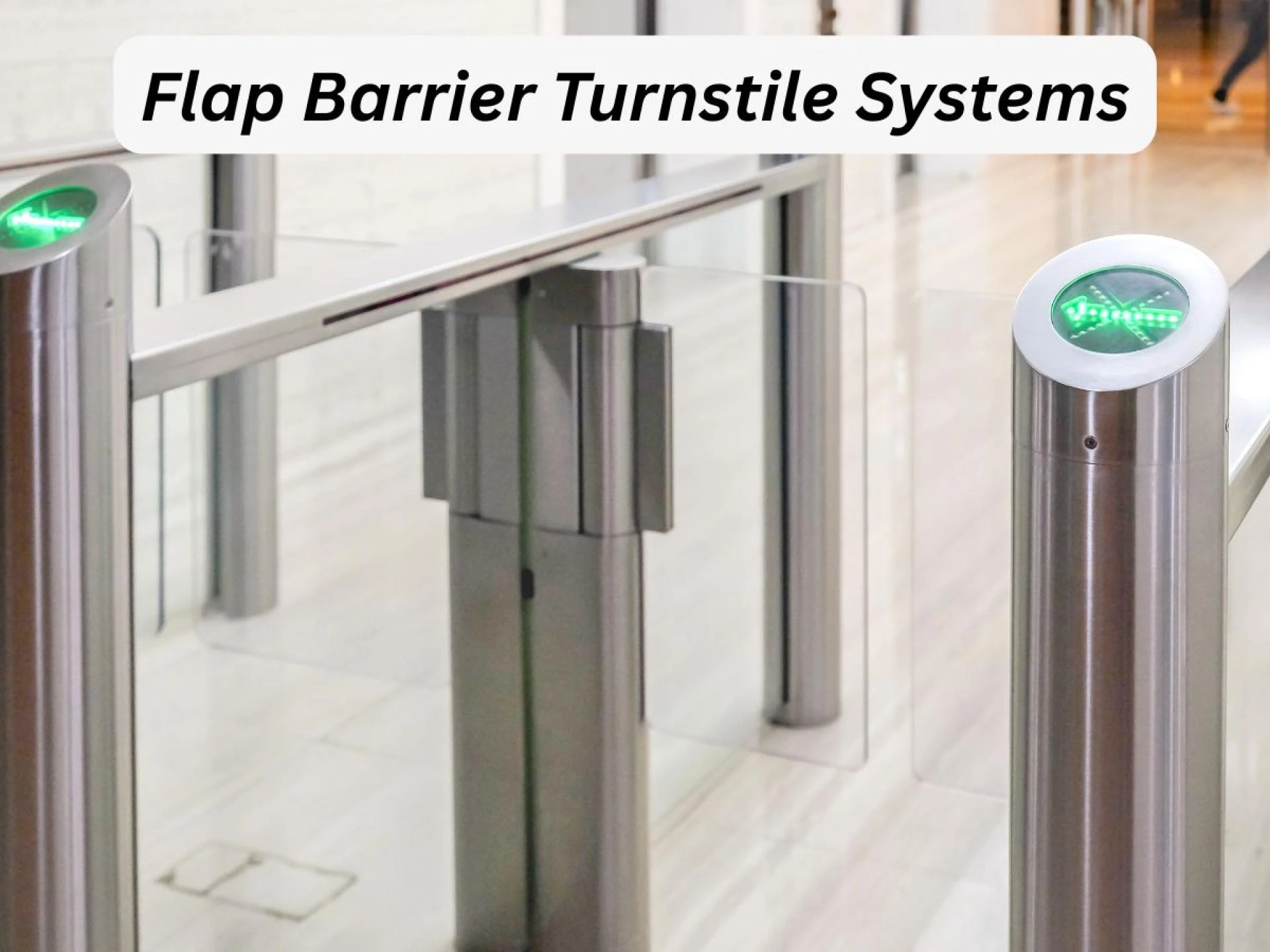

With the rise of automation and intelligent access control systems, many facilities are reevaluating the roles of traditional security personnel. In this evolving landscape, Flap Barrier Turnstiles have emerged as a powerful tool for managing pedestrian access, preventing unauthorized entry, and maintaining smooth foot traffic flow. But as these systems grow more intelligent and capable, one pressing question surfaces: Will flap barrier turnstiles replace security guards?
This article explores the answer from multiple perspectives—technical, operational, economic, and human. We’ll look at how flap barrier turnstiles work, what they can and cannot do, and whether they can function as a complete replacement for manned security.
Understanding the Role of Flap Barrier Turnstiles
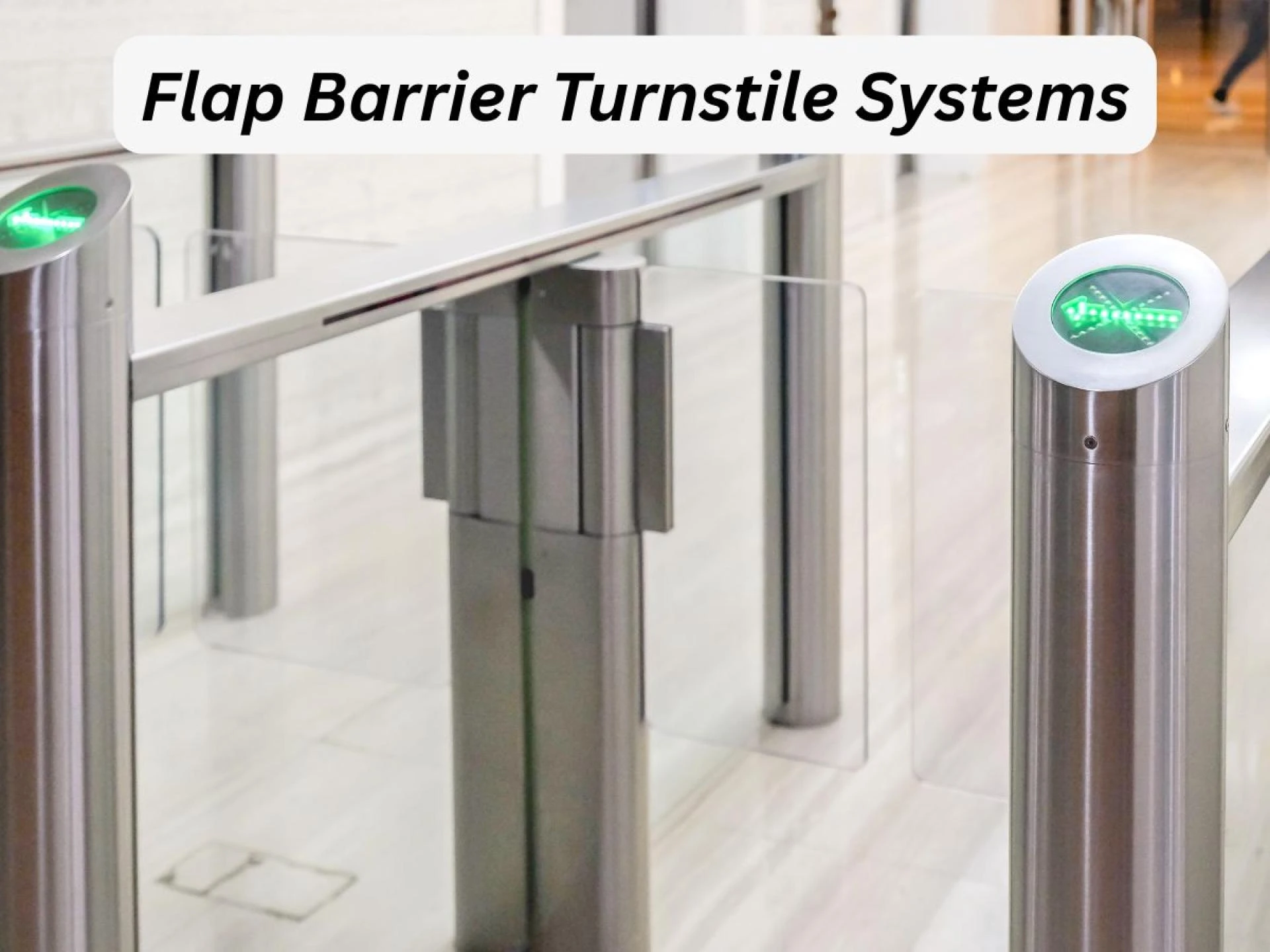
Flap barrier turnstiles are automated pedestrian gates designed to control access into and out of buildings or restricted areas. They rely on mechanisms like RFID cards, QR codes, biometric scans, and facial recognition to validate entry credentials. Once authorized, the flaps retract to allow a single user to pass.
In essence, these systems are designed to:
- Prevent tailgating (unauthorized persons sneaking in)
- Automate entry logging and time-stamping
- Control flow direction (entry or exit)
- Integrate with wider access control systems for centralized monitoring
What Security Guards Do That Turnstiles Can’t (Yet)
To understand the limits of flap barrier turnstiles, we must define the duties of a typical security guard. Human personnel are responsible not just for access control, but also for:
- Visual identification and behavior analysis
- Crisis management (medical emergencies, altercations, fire drills)
- Manual checks and inspections (bags, ID badges, etc.)
- Escorting guests or intruders
- Providing information or assistance
- Making judgment-based decisions in dynamic situations
A turnstile can control access and detect anomalies like tailgating, but it cannot make situational decisions or respond to complex, high-pressure incidents.
Automation in Access Control: Benefits and Limitations
Flap barrier turnstiles offer numerous advantages over manned gates, especially in repetitive or high-volume environments:
1. Consistency and Accuracy
Unlike human guards who may be tired, distracted, or inconsistent, turnstiles follow predefined rules without fail. They reject invalid credentials instantly and maintain entry logs with precision.
2. Cost Savings Over Time
Though the initial investment in a flap barrier system may be significant, the long-term operational cost is lower. There are no salaries, shift rotations, or benefits to consider—just routine maintenance.
3. Data and Analytics
Turnstiles are often linked to access control software that generates detailed reports, including who entered, when, and how frequently. This kind of real-time data is invaluable for security audits and occupancy tracking.
4. Integration With Smart Systems
Flap barrier turnstiles integrate easily with facial recognition, visitor management platforms, and surveillance systems—something traditional guards can’t do without equipment.
5. Pandemic-Responsive Solutions
Contactless access via mobile, facial, or QR-based validation makes flap barriers safer in a post-COVID world, compared to hand-to-hand interactions with guards.
However, these systems have clear limitations:
- They cannot physically restrain a hostile individual
- They do not recognize suspicious behavior or body language
- They cannot adapt their responses based on context
Can Turnstiles Replace Guards in All Scenarios?
Let’s consider different environments to assess whether flap barrier turnstiles can truly replace security guards.
1. Corporate Office Buildings
Here, employees and registered visitors can use digital credentials to enter. In this case, flap barrier turnstiles significantly reduce the need for guards at entrances.
Still, guards may be needed for VIP handling, package inspection, or emergency evacuation support.
Verdict: Partial replacement is possible.
2. Metro Stations and Airports
In high-traffic transportation hubs, turnstiles handle massive pedestrian volumes efficiently. But armed security, crowd control, and threat management still require a human presence.
Verdict: Flap barriers manage flow, but cannot replace law enforcement roles.
3. Educational Institutions
Universities and schools benefit from automated access for students and staff. Flap barrier turnstiles enhance security while allowing smooth passage.
However, guards are essential during emergencies or for handling parents, visitors, or disruptive students.
Verdict: Flap barriers reduce dependency on guards but cannot fully replace them.
4. Hospitals
Hospitals require both security and patient care consideration. While flap turnstiles can prevent unauthorized access to restricted areas, they may block rapid emergency movement if not configured properly.
Security guards assist in escorting patients, calming agitated visitors, and directing foot traffic—roles automation cannot handle.
Verdict: Turnstiles complement but do not replace human guards.
5. Government and Military Buildings
High-security installations rely on multi-layered protection, which includes physical barriers, access control, armed guards, and biometric systems.
Flap barrier turnstiles are one part of this framework, used to streamline access logging and speed.
Verdict: Cannot replace security guards in sensitive zones.
The Rise of Hybrid Security Models
Rather than fully replacing security guards, flap barrier turnstiles are driving the growth of hybrid security models. In this setup, human guards and automated systems work together:
- Turnstiles handle routine access control and traffic management
- Guards focus on exceptions, threats, and customer service
In this model, the human workforce shifts from gatekeeping to oversight and response roles. This results in higher efficiency, fewer bottlenecks, and improved allocation of security personnel.
Enhancing Security Guard Efficiency
Interestingly, the presence of flap barrier turnstiles often enhances the performance of on-site security staff. With the mundane task of credential checking automated, guards can concentrate on more valuable tasks such as surveillance, response, and reporting.
Some modern systems also allow security guards to control turnstiles remotely, override entries, or monitor live activity from control centers—amplifying their reach.
Economic Considerations: Initial Cost vs. Operational Value
Let’s consider the financial side of replacing security guards with flap barrier turnstiles.
While a single high-quality flap barrier lane may cost $3,000 to $7,000 (including installation), a full-time guard’s salary can easily exceed $20,000 to $40,000 annually depending on location.
Over 5–10 years, the ROI of automated systems becomes apparent. Especially in locations with high turnover or round-the-clock staffing requirements, automated gates deliver substantial savings.
However, these calculations ignore the human flexibility that only security guards can provide during dynamic situations.
Public Perception and User Experience
Another aspect to consider is how people interact with machines vs. humans. While modern employees are generally comfortable with smart gates and biometric authentication, visitors and elderly individuals may still require assistance.
Security guards help bridge the gap for individuals unfamiliar with the system, further reinforcing the need for a human element in user experience management.
The Future of Flap Barrier Turnstiles in Security
Technologies like AI-powered surveillance, behavioral analytics, and emotion recognition are pushing the capabilities of flap barrier systems further.
In the near future, we may see turnstiles equipped with:
- Real-time facial emotion analysis
- Blacklist integration and instant alerts
- Voice interaction for visitor guidance
- Integration with drones or autonomous patrol robots
Even with these advancements, the ethical and situational awareness of a trained human cannot be fully replicated by machines.
Conclusion:
The idea that flap barrier turnstiles will replace security guards entirely is a myth rooted in an oversimplification of both technologies and human roles. These systems are undeniably powerful—they automate mundane tasks, reduce costs, and improve accuracy. But they lack the judgment, empathy, and adaptability of human security staff.
The best approach is not replacement, but augmentation. When used as part of a layered security strategy, flap barrier turnstiles free up security personnel for more critical duties and strengthen the overall defense architecture of a facility.
So, will flap barrier turnstiles replace security guards?
No—but they will change what guards do, how many are needed, and how effective they are. And that’s progress.
Read more articles on WriteUpCafe

























Sign in to leave a comment.