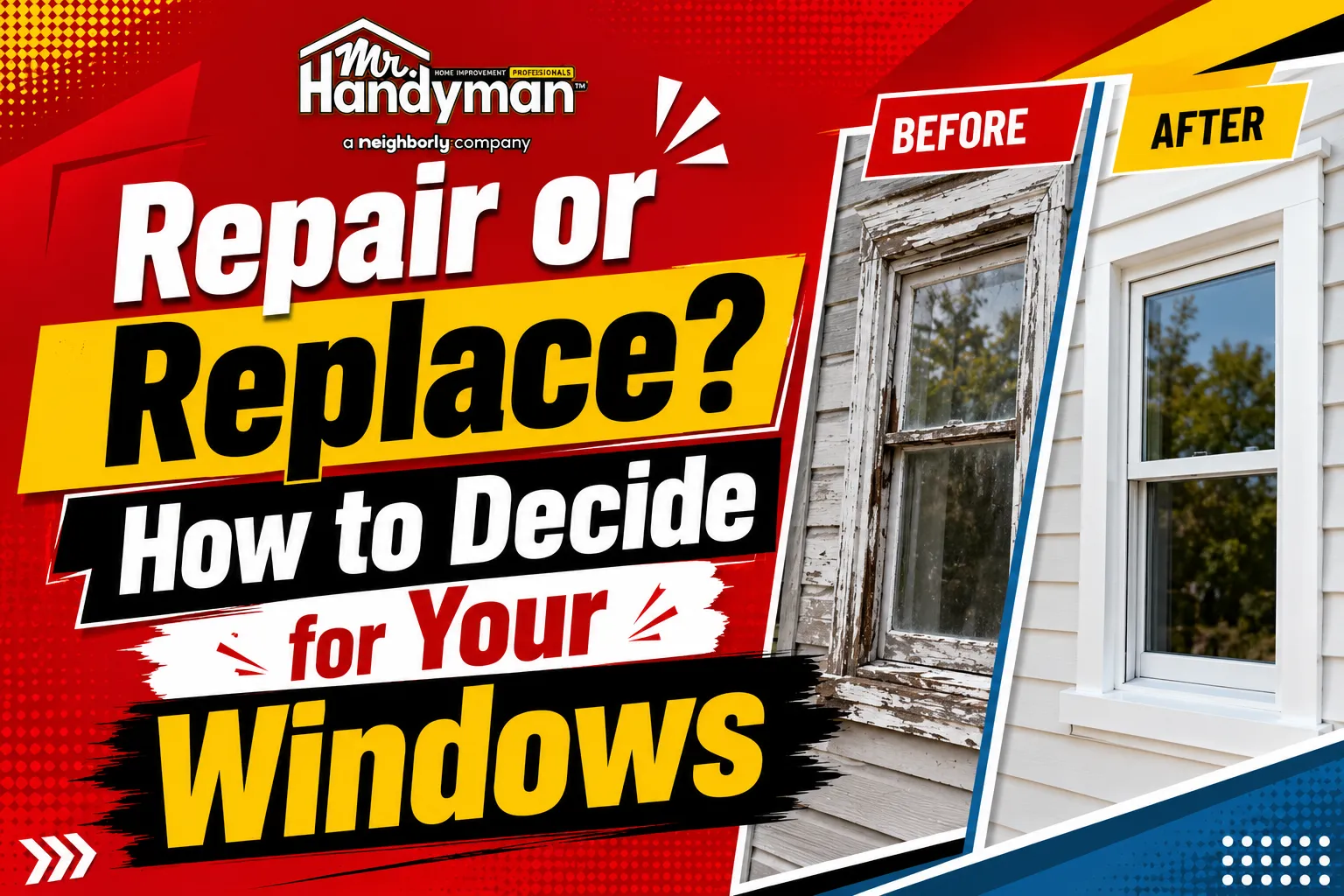

Windows play a major role in your home's comfort, appearance, energy efficiency, and protection from the elements. However, like any part of a home, windows experience wear and tear over time. When problems arise, many homeowners wonder whether they should repair the issue or invest in a complete replacement.
If you're facing damaged or aging windows, understanding the difference between a repairable problem and one that requires replacement can save both time and money. Many homeowners consult a handyman in Dallas to assess window issues and determine the most cost-effective solution.
Let's explore how to decide whether your windows need repair or replacement.
Why Your Windows Matter
Windows do much more than provide natural light and outdoor views. They help regulate indoor temperatures, improve ventilation, enhance curb appeal, and contribute to overall home efficiency.
When windows stop functioning properly, you may notice:
- Drafts and air leaks
- Difficulty opening or closing windows
- Higher energy bills
- Moisture buildup
- Reduced home comfort
Identifying the root cause of the problem is the first step toward making the right decision.
Signs Your Windows May Only Need Repair
Not every window issue requires a full replacement. In many cases, simple repairs can restore performance and extend the life of existing windows.
1. Minor Drafts
If air is entering around the edges of a window, worn weatherstripping or deteriorated caulking may be the culprit.
Common repair solutions include:
- Replacing weatherstripping
- Re-caulking gaps
- Sealing small leaks
These repairs are often affordable and highly effective.
2. Broken Hardware
Window locks, handles, latches, and cranks can wear out over time.
Fortunately, replacing damaged hardware is usually much less expensive than replacing the entire window.
3. Small Frame Damage
Minor cracks, chipped paint, or localized wood damage can often be repaired without affecting the window's overall functionality.
Addressing these issues early can prevent more extensive deterioration.
4. Windows That Stick
Windows that are difficult to open or close may simply need adjustment, lubrication, or minor repairs to restore smooth operation.
Signs It May Be Time to Replace Your Windows
While repairs can solve many problems, some situations make replacement the better long-term investment.
1. Extensive Frame Damage
Severe wood rot, warping, or structural deterioration can compromise the integrity of the entire window.
When the frame itself becomes unstable, replacement is often the safest option.
2. Persistent Condensation Between Glass Panes
Double-pane windows contain insulating gas between the panes. If the seal fails, moisture can become trapped inside.
Signs include:
- Foggy glass
- Condensation between panes
- Reduced energy efficiency
In many cases, replacing the window unit is the most practical solution.
3. Significant Energy Loss
Older windows may lack modern energy-efficient features.
If your home experiences:
- Frequent drafts
- Uneven indoor temperatures
- Rising utility bills
newer windows may offer better insulation and long-term savings.
4. Repeated Repairs
When repair costs continue adding up, replacement can become more economical than constantly fixing recurring issues.
Factors to Consider Before Deciding
Every situation is different. Before making a decision, consider the following:
Age of the Window
Older windows may be approaching the end of their useful lifespan, making replacement a smarter investment.
Cost Comparison
Compare repair costs with replacement costs. If repairs approach a significant percentage of replacement expenses, upgrading may provide greater value.
Home Improvement Goals
If you're planning a renovation or preparing to sell your home, newer windows may improve both appearance and marketability.
Energy Efficiency
Modern windows often provide better insulation, helping reduce heating and cooling expenses.
The Importance of Ongoing Window Maintenance
Many window problems begin as small issues that gradually worsen over time. Regular window repair and maintenance help protect your property from moisture and weather damage. Routine inspections can identify worn seals, damaged frames, and hardware problems before they lead to costly repairs.
Simple maintenance tasks such as cleaning tracks, inspecting caulking, and addressing minor damage can significantly extend the lifespan of your windows.
Benefits of Timely Repairs and Replacements
Whether you choose repair or replacement, addressing window issues promptly offers several benefits:
- Improved energy efficiency
- Better indoor comfort
- Enhanced curb appeal
- Increased home value
- Reduced moisture intrusion
- Lower long-term maintenance costs
The key is choosing the option that best fits the condition of your windows and your long-term goals.
Conclusion
Deciding whether to repair or replace your windows depends on the severity of the damage, the age of the windows, and your overall home improvement plans. Minor issues such as drafts, hardware problems, and small frame damage can often be repaired successfully. However, extensive rot, failed seals, and ongoing energy loss may indicate that replacement is the better choice.
By evaluating your windows carefully and addressing problems early, you can improve your home's comfort, efficiency, and value while avoiding unnecessary expenses.
FAQs
How do I know if my windows need repair or replacement?
Minor issues like drafts, broken hardware, or small frame damage can often be repaired, while extensive rot or failed glass seals may require replacement.
Can repairing windows improve energy efficiency?
Yes. Sealing leaks, replacing weatherstripping, and repairing damaged components can help reduce energy loss.
What causes window seals to fail?
Age, temperature fluctuations, moisture exposure, and normal wear can cause seals to deteriorate over time.
Is replacing windows worth the investment?
For severely damaged or outdated windows, replacement can improve efficiency, comfort, and home value.
How often should windows be inspected?
Homeowners should inspect windows at least once or twice a year to identify maintenance needs before major problems develop.





















Sign in to leave a comment.