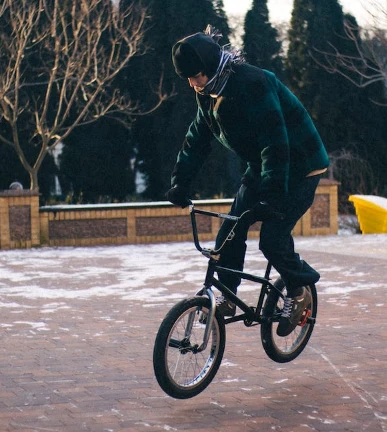

Winter adds an extra layer of challenge and excitement for BMX riders eager to hit the icy terrain. Navigating frosty conditions demands a unique set of skills and techniques to ensure safety and an enjoyable riding experience.
Whether you're a seasoned BMX enthusiast or gearing up for your first icy adventure, here are essential tips and techniques for mastering winter BMX riding.
1. Choose the Right Tires
The foundation of successful winter BMX riding starts with the right tires. Opt for BMX tires with aggressive tread patterns and studded designs. The added traction from specialized winter tires enhances grip on icy surfaces, providing stability during maneuvers and preventing slipping.
Reducing tire pressure slightly can increase the surface area of the tire in contact with the ground, improving traction on icy surfaces. Experiment with tire pressure adjustments to find the optimal balance between stability and responsiveness for your winter BMX rides.
2. Master the Art of Controlled Slides
Icy conditions call for a shift in riding style. Embrace the controlled slide, a technique where you intentionally allow the bike to drift or slide through turns. Practice this skill in an open and safe area to build confidence and control over your BMX in slippery conditions.
Know these - 10 Best BMX Tricks for Beginners
3. Use Your Body Weight
Your body weight plays a crucial role in maintaining balance on icy surfaces. Shift your weight toward the rear of the BMX when navigating downhill or executing turns. This weight distribution helps prevent the front wheel from sliding out, enhancing stability.
4. Brake Strategically
Braking on ice requires a gentle touch. Avoid sudden or aggressive braking, as it can lead to skidding and loss of control. Apply the brakes gradually and use both the front and rear brakes simultaneously to maintain stability. Practice controlled braking in a controlled environment to refine your technique.
5. Master the Bunny Hop
The bunny hop is a fundamental BMX skill, and mastering it becomes even more crucial in winter conditions. Use the bunny hop to navigate over icy patches, small obstacles, or uneven terrain. The ability to lift both wheels off the ground simultaneously aids in overcoming slippery surfaces.
6. Learn to Pump
Pumping is a technique where you use your body's movements to generate momentum and control the bike. In icy conditions, efficient pumping can help you maintain speed without relying solely on pedaling. Practice pumping on flat terrain and gradually progress to more challenging icy surfaces.
7. Select Appropriate Clothing
Stay warm and comfortable by choosing the right clothing for winter BMX riding. Layer up with moisture-wicking thermal base layers to retain heat, and invest in windproof and water-resistant outer layers to shield against the cold wind and occasional snowfall. Don't forget insulated gloves to keep your hands warm.
Also read - Best Winter Cycling Gear Guide
8. Inspect Your BMX Regularly
Winter riding can take a toll on your BMX, especially in icy conditions. Regularly inspect your bike for signs of wear and tear. Check the condition of your tires, ensure the brakes are functioning correctly, and lubricate moving parts to prevent stiffness in freezing temperatures.
9. Choose Your Routes Wisely
Not all BMX trails are created equal, especially in winter. Choose routes that are well-maintained, less prone to icy patches, and free from hazards. Familiarize yourself with the terrain and plan your rides in areas with less traffic to minimize the risk of collisions.
Know - Top Destinations For Freestyle BMX Bike Riding
10. Practice on Controlled Surfaces
Before tackling challenging trails, practice your winter BMX techniques on controlled surfaces. An empty parking lot or open space provides a controlled environment where you can experiment with controlled slides, braking techniques, and maneuvering on icy terrain without the risks of a more complex trail.
Article written by




























Sign in to leave a comment.