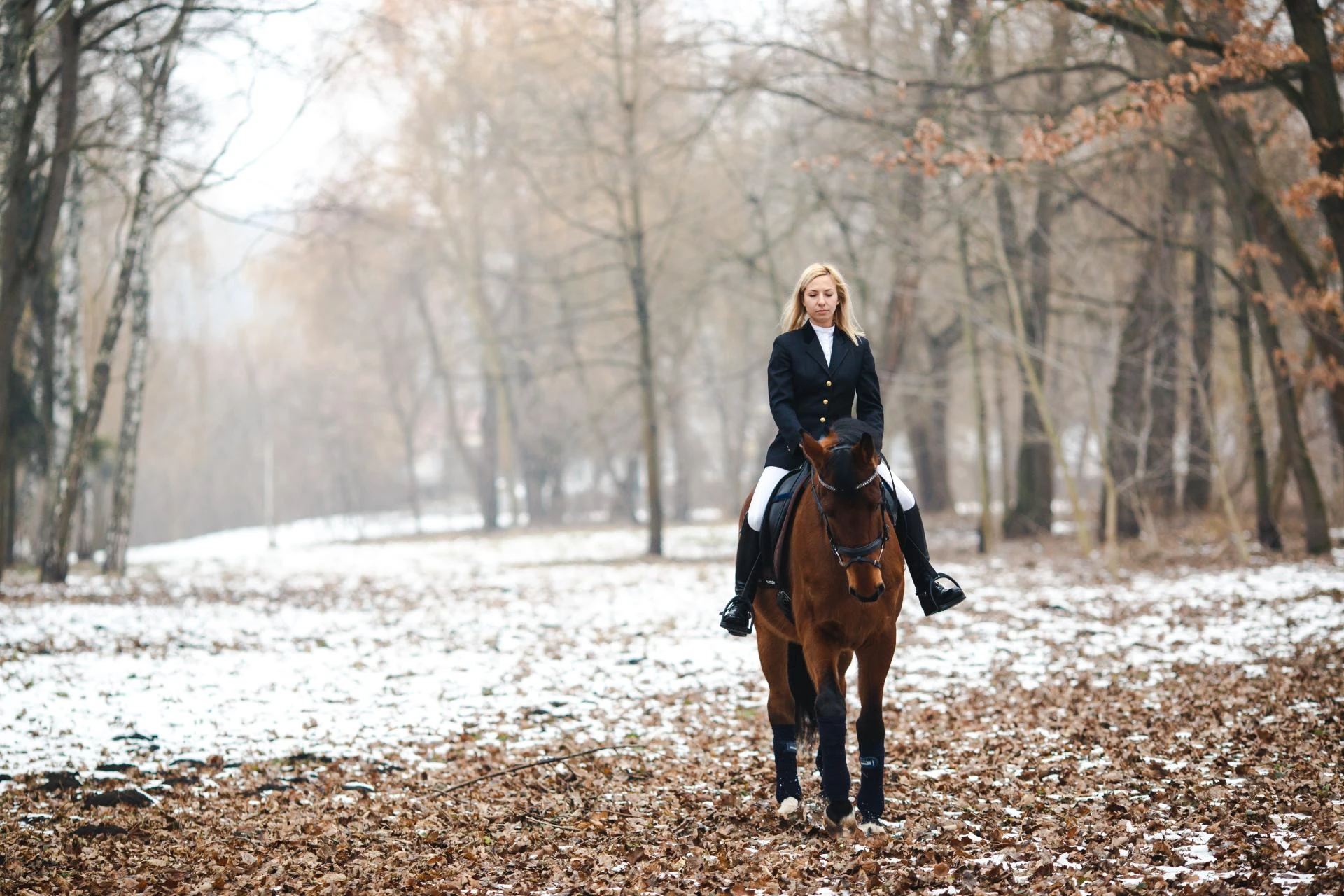

When the Pacific Northwest switches to its long, wet winter many riders are tempted to forego saddles in favor of blankets. However winter need not be a stop gap to your riding objectives. With the right preparation and mindset, Seattle horseback riding in cold, rainy months can be just as rewarding as summer trail rides. Winter turns into the time of surviving the season and turns into the time of new rhythm with your horse.
Layering Like a Pro
Riding in cold weather can be initiated by how well you dress. The secret is not to wear heavy jackets but to layer smartly so as not to lose flexibility.
The first layer of your outfit should be moisture-wicking, such as synthetic or merino wool clothing that draws sweat away. Cotton is rather moist and riders feel chilly after even slight activity.
Then, insert an insulating layer of fleece or light down. This keeps you warm without limiting the mobility of your arms and shoulders that are always in motion as you hold the reins and find your balance.
And lastly place a windproof waterproof shell. It is also necessary since winter in Seattle is accompanied by unpredictable rain, mist, and gusts of wind. And remember insulated gloves with grip, wool-blend socks and a helmet cover to stay dry all over the head.
When you have the right layers in your attire you can ride in comfort rather than struggle against the elements.
Preparing the Rider’s Body
Cold muscles will even with proper clothing make riding stiff and awkward. Warm up your own body before you get in the stirrups for ten minutes.
Easy exercises such as arm circles, body twists, and walking lunges release stiff joints. It can also get blood moving by taking a short jog around the barnyard or a brisk walk as you lead your horse.
It is like training like an athlete. Riders tend to concentrate too much on horses that they forget that their bodies also need to be activated. Not only does this pre-ride routine help avoid strains, but it also facilitates mounting and helps keep you relaxed and balanced in a seat once you are moving.
Keeping Horses Loose in Cold Conditions
Horses are not less susceptible to winter than riders. Cold weather causes muscles to tighten, and rushing may cause an injury. Allow your horse time to get used to it.
Start by walking five to ten minutes, in-hand or under the saddle. Allow your horse to stretch its neck, move around and warm up joints slowly. Then, add transitions--walk to trot, trot to halt, trot to canter, and build up intensity gradually.
Another good method to stimulate rhythm and interest is pole work on the ground. Even such elementary patterns as walking over raised poles warms the back and promotes flexibility.
The trick is to be patient. During winter, warm-ups have less to do with speed, and more with the gradual development of looseness and energy.
Arena Routines That Beat Winter Boredom
It is not uncommon to get bored when riding indoors during the colder months, however, with a bit of imagination, riding in an arena can be fun and productive.
- Circle work: Suppleness is enhanced with large and small circles and it tests rider balance.
- Serpentines: Excellent at bending and creating more polished transitions.
- Cavaletti exercises: Adjustable poles provide variation, which motivates the horses to elevate their legs and be very mindful of where they position them.
- Gridwork patterns: Short pole sequences can focus and coordinate even without jumping.
Where the weather is favourable, short outdoor rides will relieve monotony and refresh the horse and rider, e.g. a brisk trot along a safe path. The difference between arena riding and trail rides makes the training stay balanced even during the middle of winter.
Mindset Matters
Winter riding is not all about freezing fingers and soggy stockings, it is about keeping your spirit interested. Days are shorter, it rains a lot, mornings are icy and it can be quite a dent to motivation. But a regular season of riding does reward.
By having small, realistic, measurable goals, such as becoming more fluent in sitting trot, more relaxed in transition to canter, or riding thrice a week, progress is concrete. Other riders keep a record of their sessions as well in journals, what drills were effective, how their horse reacted to them, and areas they need to repeat.
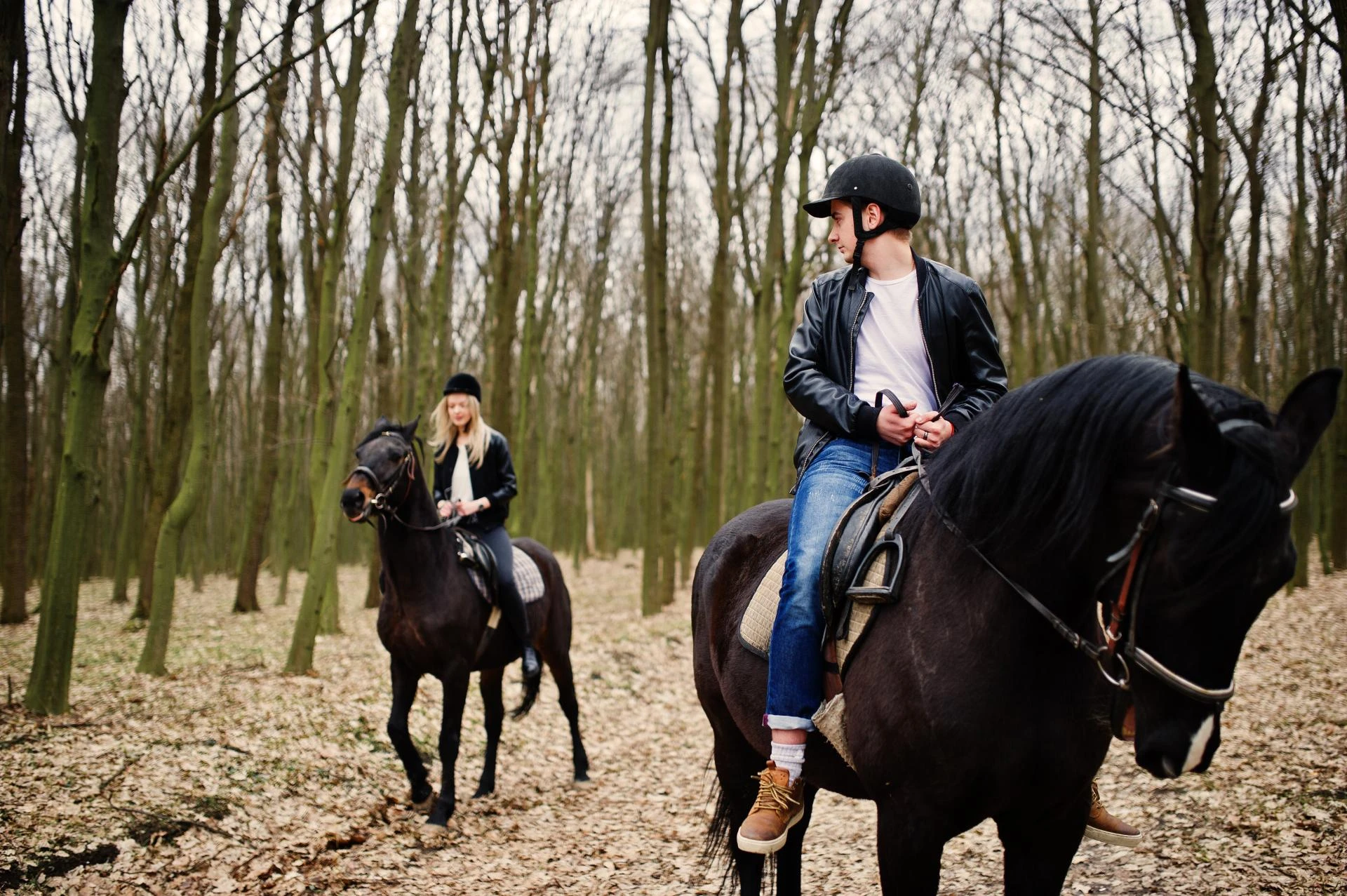
Seattle horseback riding with friends or a group of the lesson gives an accountability and makes the grey season a common adventure. Do not think of winter as a setback but as a chance to practice skills in the absence of summer performances or lengthy trail rides.
The Takeaway: Building Year-Round Riding Resilience
Winter riding does not have to be sunny trail riding, but it builds strength in the horse and rider. When you dress smart, get your body ready, take time to warm your horse up and make arena time interesting, you transform the cold weather problems into growth steps.
Seattle horseback riding in winter teaches more than just how to stay warm—it teaches adaptability, patience, and persistence. Those are the qualities which make riders well-rounded equestrians.






























Sign in to leave a comment.