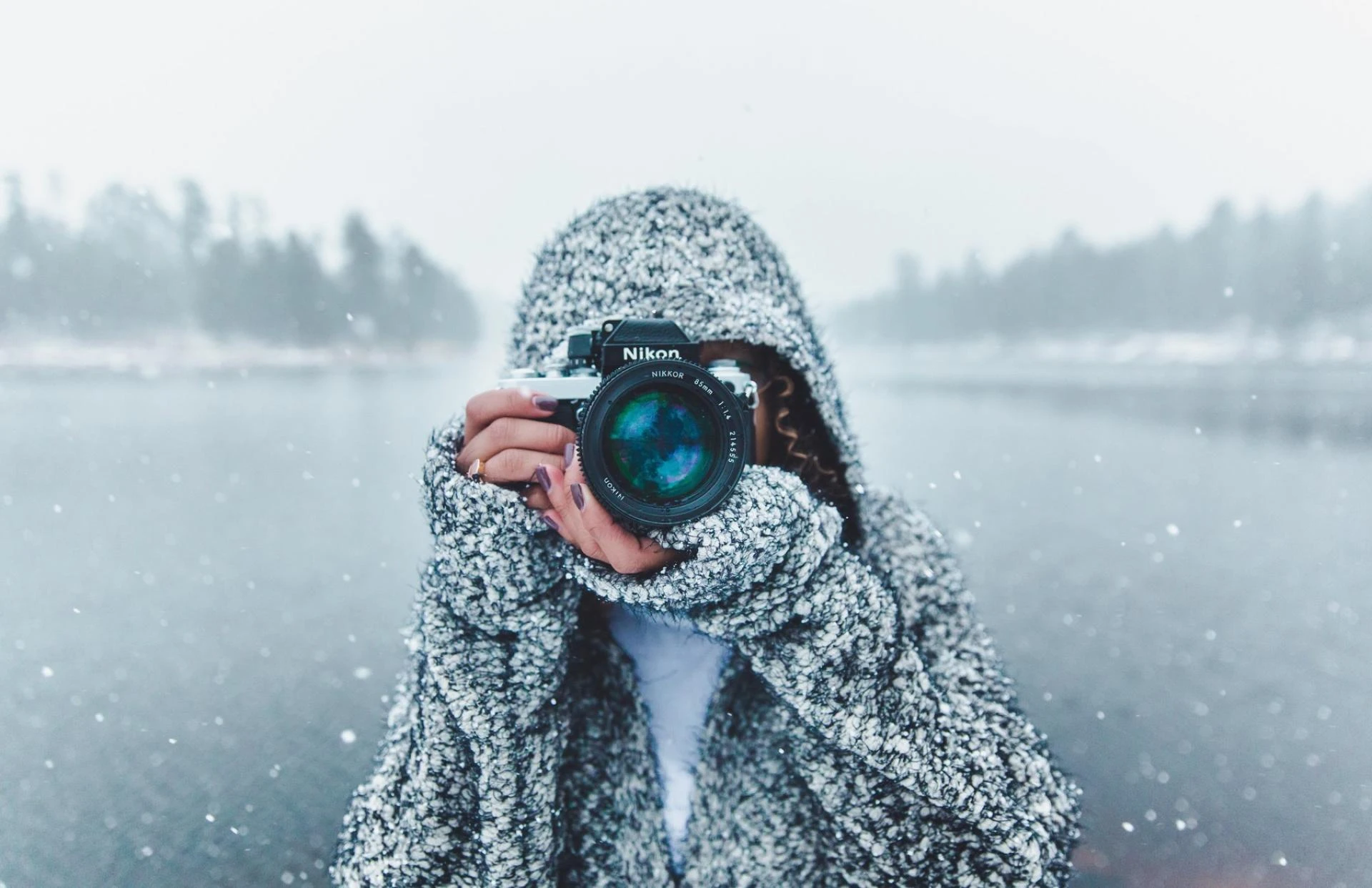

Winter transforms the world into a mesmerizing wonderland, with snow-covered landscapes, frosty trees, and sparkling icicles creating a picturesque backdrop for photography enthusiasts. Whether you\'re a seasoned photographer or a novice eager to capture the beauty of winter, mastering the art of winter photography requires creativity, patience, and attention to detail. Here are expert techniques and tips for capturing stunning photos of snowy landscapes and winter scenes.
1. Embrace Natural Light
Winter light has a unique quality, casting a soft, diffused glow over snow-covered landscapes. Take advantage of the soft, directional light during the golden hours of sunrise and sunset to capture warm hues and long shadows. Experiment with backlighting to illuminate falling snowflakes or frost-covered branches, adding depth and drama to your photos.
2. Adjust White Balance
Snow can sometimes appear blue or gray in photographs due to the camera\'s auto white balance settings. To ensure accurate color reproduction, manually adjust the white balance to compensate for the cool tones of snow. Use the "Daylight" or "Shade" white balance presets to enhance the warmth and vibrancy of winter scenes.
3. Use a Polarizing Filter
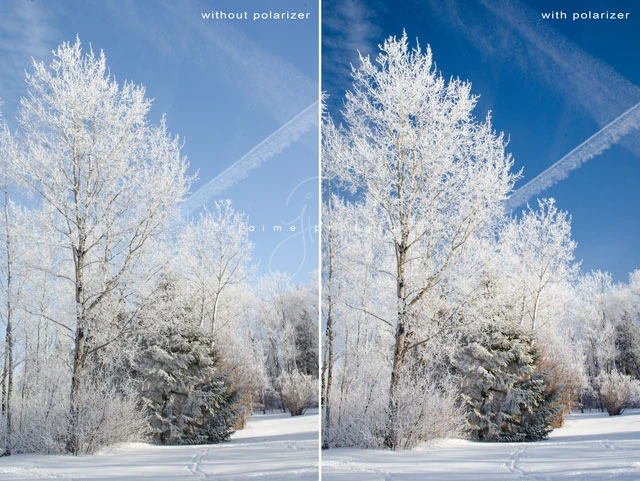
A polarizing filter helps reduce glare and reflections from snow and ice, resulting in richer colors and increased contrast in your photos. Rotate the filter until you achieve the desired effect, minimizing glare on water surfaces or intensifying the blue hues of the sky. Be mindful of over-polarization, which can lead to unnatural-looking images.
4. Capture Motion
Incorporate movement into your winter photos to add visual interest and dynamism. Experiment with slow shutter speeds to capture the graceful motion of falling snowflakes or the blur of skiers racing down snowy slopes. Use a tripod to keep your camera steady and achieve sharp focus on stationary elements against a blurred background.
5. Focus on Details
Explore the intricate details of winter landscapes, from delicate frost patterns on windows to intricate ice formations along frozen streams. Get up close and use a macro lens or macro mode to capture the intricate textures and patterns of snowflakes, frost crystals, or frost-covered foliage. Pay attention to composition and framing to highlight the beauty of these small-scale wonders.
6. Experiment with Composition
Composition plays a crucial role in creating compelling winter photos. Experiment with different compositions, such as leading lines, diagonals, and framing elements, to draw the viewer\'s eye into the scene. Incorporate foreground interest, such as snow-covered branches or textured footprints in the snow, to add depth and dimension to your images.
7. Include People or Wildlife
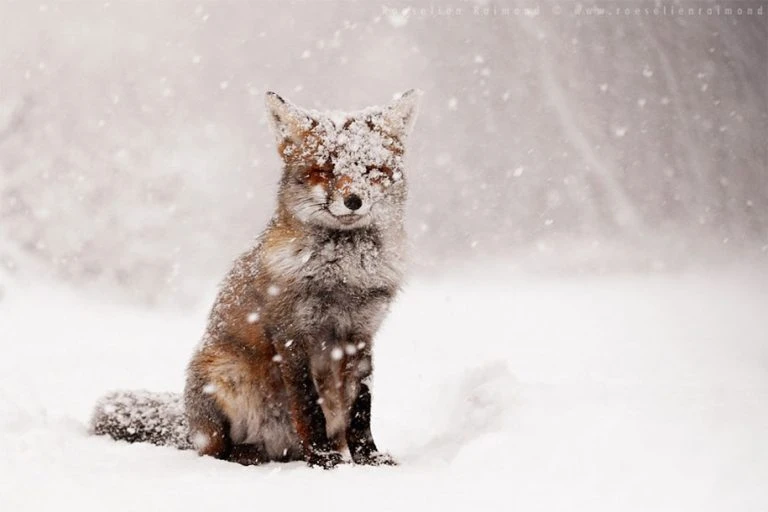
Add a sense of scale and narrative to your winter photos by including people or wildlife in the frame. Capture candid moments of joy and wonder as individuals interact with the winter landscape, whether it\'s building snowmen, ice skating on frozen ponds, or enjoying a cozy sleigh ride. Wildlife such as birds, deer, or foxes can also enhance the storytelling aspect of your photos, adding a touch of wilderness to your winter scenes.
8. Protect Your Gear
Winter weather can be harsh on camera equipment, so take precautions to protect your gear from the elements. Use a weather-sealed camera body and lenses to withstand snow, moisture, and cold temperatures. Keep spare batteries warm in an inner pocket to maintain their performance in cold conditions. Use lens hoods and lens cloths to prevent snowflakes or moisture from affecting image quality.
9. Experiment with Black and White
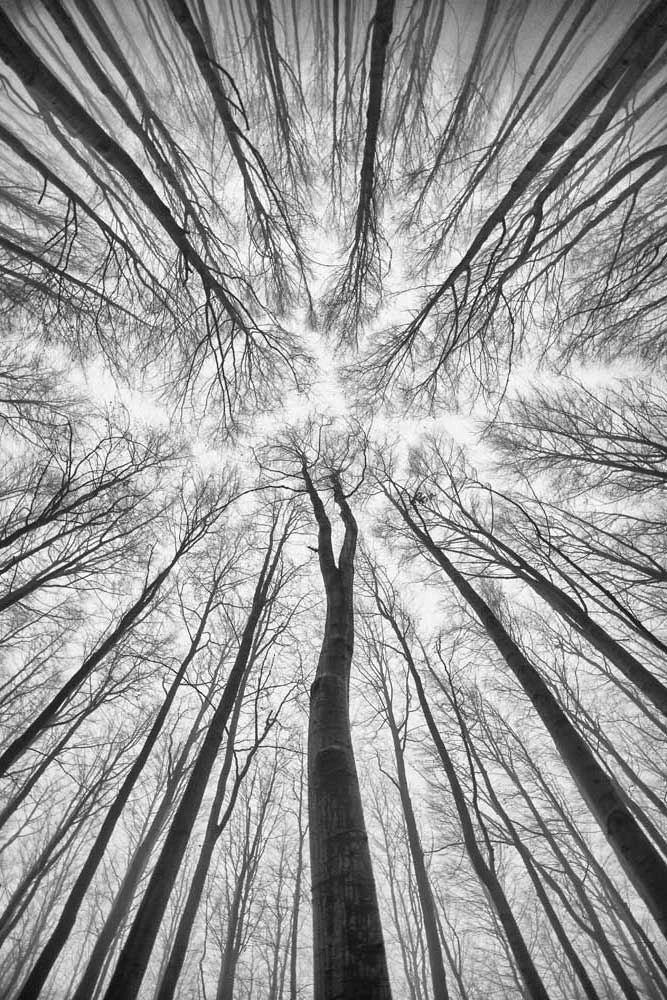
Winter landscapes lend themselves beautifully to black and white photography, highlighting contrast, texture, and tonal range. Experiment with monochrome compositions to evoke a sense of timeless beauty and simplicity in your winter photos. Pay attention to light and shadow, emphasizing the interplay of highlights and shadows on snow-covered surfaces.
10. Stay Safe and Respectful
When venturing into winter landscapes for photography, prioritize safety and environmental stewardship. Dress warmly, wear appropriate footwear, and carry essential safety gear such as a map, compass, and emergency supplies. Respect wildlife and fragile ecosystems, avoiding trampling vegetation or disturbing wildlife habitats. Leave no trace of your presence and take only photographs, leaving the landscape pristine for others to enjoy.
11. Post-Processing Techniques
Enhance the beauty of your winter photos through post-processing techniques that bring out the best in your images:
- Adjust Exposure and Contrast: Fine-tune exposure and contrast levels to achieve the desired brightness and tonal range in your photos. Use adjustment sliders for highlights, shadows, and midtones to balance exposure and enhance details.
- Enhance Colors: Bring out the natural colors of winter scenes by adjusting vibrancy, saturation, and color temperature. Fine-tune individual color channels to emphasize the cool tones of snow and ice or enhance the warmth of golden sunlight.
- Sharpen Details: Apply selective sharpening to enhance the clarity and sharpness of key elements in your photos, such as snow-covered trees or intricate frost patterns. Use masking techniques to apply sharpening selectively and avoid introducing noise or artifacts.
- Remove Distractions: Use cloning or healing tools to remove distracting elements from your photos, such as footprints in the snow or unwanted objects in the background. Maintain a natural-looking appearance by blending edits seamlessly with the surrounding areas.
- Add Creative Effects: Experiment with creative effects such as vignetting, split toning, or texture overlays to add depth and atmosphere to your winter photos. Use subtle adjustments to enhance mood and storytelling without overpowering the image.
- Crop and Straighten: Use cropping and straightening tools to improve composition and framing in your photos. Eliminate unnecessary distractions and emphasize the main subject by cropping to a more pleasing aspect ratio or adjusting the horizon line.
- Save in High Resolution: Save your edited photos in high-resolution formats to preserve image quality and allow for printing or display in larger formats. Use lossless file formats such as TIFF or PNG to retain maximum detail and color accuracy.
By mastering post-processing techniques, you can elevate your winter photos to new heights of visual impact and artistic expression.
Conclusion
Winter photography offers endless opportunities for creativity and exploration, with snow-covered landscapes and winter scenes providing a stunning backdrop for artistic expression. By embracing natural light, adjusting white balance, using polarizing filters, capturing motion, focusing on details, experimenting with composition, including people or wildlife, protecting your gear, and staying safe and respectful, you can capture breathtaking photos that showcase the beauty of winter. Visit snowdaypredictorcalculator.com to plan your next winter photography expedition and stay informed about potential snowfall in your area.
Embrace the magic of winter, unleash your creativity, and capture unforgettable moments in the snowy wonderland!



























Sign in to leave a comment.