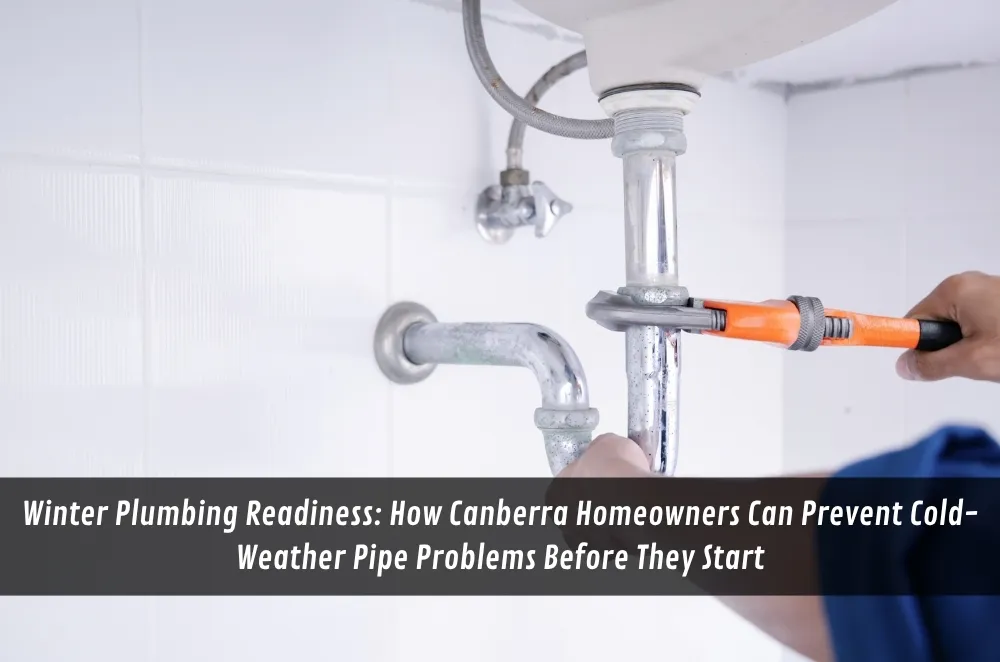

Canberra might be famous for crisp winter mornings and frosty landscapes, but those sub-zero nights can also place hidden pressure on household pipes. A line that freezes, splits or bursts can release hundreds of litres of water in minutes—turning a quiet morning into a frantic clean-up. The good news? Most cold-weather pipe problems are preventable with a mix of early checks, simple insulation and timely professional input. Use the guide below to stay one step ahead of Jack Frost this season.
Why Canberra’s Winters Threaten Household Pipework
Canberra’s overnight temperatures frequently dip below 0 °C between June and August, creating ideal conditions for water inside exposed pipework to freeze and expand. That expansion adds stress to:
- Thin PVC irrigation lines and garden taps
- Uninsulated copper or galvanised pipes in subfloor spaces
- Flexible braided hoses feeding dishwashers and washing machines
Even a light frost can form ice plugs that block flow. As pressure builds behind the plug, joints can loosen or pipes can split—often out of sight until melting water reveals a leak.
Local utility provider Icon Water urges residents to act before the thermometer plunges, outlining practical steps in Icon Water’s winter-ready advice. Their guidance highlights two recurring causes of cold-weather failures: unprotected outdoor fittings and forgotten holiday homes left unheated for weeks.
Know the Early Warning Signs Before a Pipe Fails
Frozen or stressed pipes rarely burst without notice. Keep an ear and eye out for:
- Gurgling sounds when taps first open
- Sluggish water flow compared with usual pressure
- Visible condensation or frost on external pipe surfaces
- Damp patches on walls or ceilings soon after a cold snap
If any of these warning flags appear, act fast. Isolate your main supply, open the affected tap to relieve pressure and warm the pipe gently with towels soaked in hot (not boiling) water. For step-by-step emergency guidance—including what to do if a pipe gives way in the middle of the night—see these practical steps to take during a burst-pipe emergency.
DIY Prevention Checklist for a Trouble-Free Winter
Tick through the list below before the ACT’s first frost. Each task takes minutes now but can save hours of damage control later.
- Insulate exposed pipe runs
- Foam sleeves or wrap-around tape keep cold air off copper, steel and PVC.
- Pay special attention to pipes in garages, under decks and along south-facing walls.
- Protect outdoor taps and irrigation lines
- Fit tap covers or old blankets secured with cable ties.
- Drain and shut off garden irrigation zones not needed until spring.
- Detach and store garden hoses
- Water trapped in a hose can freeze and back-feed pressure into the bib tap.
- Check your hot-water system’s relief valve
- Lift and return the valve lever to ensure it isn’t seized. Stagnant valves can fail under extra winter pressure.
- Locate and label the main shut-off valve
- Make sure every family member knows where it is and that it turns freely.
- If you’ll be away, leave heating on low or drain lines
- An unheated house cools faster than you think.
- Alternatively, turn the water off at the meter and open a high tap to drain remaining water.
- Inspect flexi-hoses on indoor fixtures
- Replace any corroded or frayed braided hoses feeding sinks, toilets or appliances—these can snap under cold-induced expansion.
Quick Glance: Common Winter Pipe Problems and Solutions
Below is a snapshot of the most frequent cold-weather plumbing headaches faced by Canberra households and how to handle them.
| Situation | Likely Cause | Simple Prevention | First Response |
| Frost on outdoor tap | Exposed metal in freezing air | Fit tap cover & insulate nearby pipe | Turn tap off, gently warm with cloths |
| Slow flow from kitchen sink on frosty morning | Partial ice plug in external wall pipe | Add foam sleeve & keep cabinet doors ajar overnight | Open tap, warm pipe slowly, monitor for leaks |
| Empty holiday home returns to burst line | Water left standing in unheated pipes | Shut off & drain system before travel | Isolate meter, call licensed plumber |
| Split flexi-hose under vanity | Ageing braided hose under pressure | Replace hoses older than 5 years | Shut taps below basin, mop up water |
| Garden irrigation line cracking | Thin PVC left full in winter | Drain system & use thicker PVC class | Turn off zone, cap line, schedule repair |
When DIY Winter Prep Isn’t Enough: Calling in a Professional
Some warning signs indicate that professional tools and licensing are essential—not optional:
- Repeated freezing of the same section despite insulation
- Audible water hammer or sudden pressure drops after thawing
- Suspected underground leaks (wet patches in lawn, spinning water meter when taps are off)
- Renovations that expose long pipe runs you’re unsure how to protect
In these cases, engaging a qualified local specialist such as Canberra Plumbing & Gas helps ensure correct pipe sizing, thermal protection and ACT-compliant installations. Professionals can also run pressure tests, thermal imaging or CCTV inspections to confirm whether hairline cracks have formed before they become major headaches.
Final Thoughts
Canberra’s winter chill is a fact of life, but sudden plumbing disasters don’t have to be. By spotting early warning signs, insulating vulnerable pipes and calling in licensed help when DIY measures fall short, homeowners can keep water flowing smoothly until spring returns. A short checklist now is far easier than mopping flooded floors in the dark. Stay prepared, stay informed, and enjoy those frosty mornings knowing your pipes are winter-ready.
























Sign in to leave a comment.