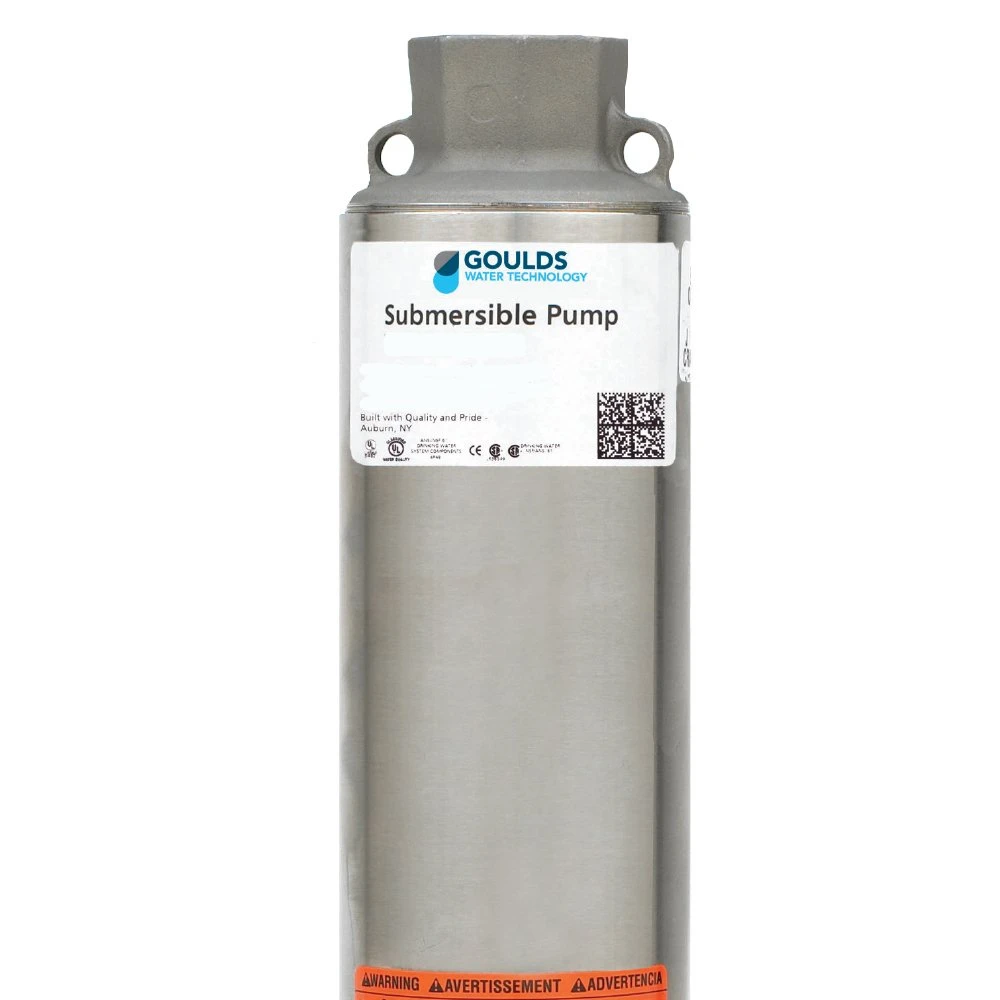

Many homeowners and property managers believe that once your submersible well pumps is installed deep underground, freezing temperatures pose no risk. This common misconception often leads to serious issues when winter arrives. The truth is that freezing conditions can impact not only your underground pump but also the entire above-ground well system, causing frozen well lines, pressure switch failures, and pump breakdowns that interrupt your water supply at the worst time.
Why Does Cold Weather Threaten Your Well System?
Freezing weather isn’t just a nuisance—it directly affects the functionality and longevity of your well system components. Above-ground parts such as the well casing, pressure switches, and the submersible well pump wire are vulnerable to freezing. Cold air penetrating poorly insulated casings can freeze water lines, leading to cracks or blockages that disrupt water flow. Without proper winter protection, you could face unexpected failures. So, how can you be sure your system will survive the freeze?
How Can You Shield Your Submersible Pump From the Cold?
Winter protection starts with targeted preventative maintenance. Here are two critical focus areas for safeguarding your system:
● Well Casing Insulation: The well casing acts as a protective shell around your pump’s entry point. Wrapping it with premium-grade, weather-resistant insulation designed for water systems helps maintain stable temperatures and keeps frost from penetrating deep enough to freeze the lines. Using generic insulation materials is a common mistake and can lead to insufficient protection during severe cold spells.
● Heat Tape Installation: Applying UL-approved heat tape around exposed pipes and sensitive components is a proven way to keep water flowing despite subzero temperatures. Heat tape must be properly installed with a reliable power source to prevent freezing during extreme cold snaps. But did you know improper heat tape use can actually increase energy costs without protecting your system adequately?
Beyond insulation and heat tape, sealing the well cap tightly is often overlooked. A poorly sealed cap allows cold air and moisture to enter the well, accelerating freeze damage and increasing the risk of corrosion inside the casing. This small but vital step significantly reduces your freeze risks.
Are You Overlooking Seasonal Flow Testing?
One of the most effective winter-prep measures is performing seasonal flow testing before the first hard freeze. Why is this so important?
● It confirms the submersible well pump is delivering water at expected flow rates under cold conditions.
● It tests the pressure switch’s responsiveness and ensures the system can handle winter demand fluctuations.
● It identifies early signs of ice blockages or leaks in well lines and casings before they escalate into costly repairs.
Skipping flow testing leaves you vulnerable to unexpected system failure—and no one wants to discover a frozen well line in the dead of winter. Are you prepared to risk that disruption?
What Makes Frozen Well Lines So Dangerous?
Frozen well lines don’t just stop water—they can cause extensive damage. Water expands as it freezes, exerting tremendous pressure on pipes, joints, and fittings. This expansion often results in cracks or bursts, causing leaks and system failures that are expensive and time-consuming to repair.
Pressure switches, which regulate your water system’s operation, are also sensitive to freezing. Ice can jam or misalign them, causing erratic water pressure or complete pump shutdowns.
And here’s a hidden risk: the submersible well pump wire is susceptible to cold-induced brittleness. When insulation becomes brittle, wires can crack or short-circuit, cutting power to your pump and leaving you without water.
How Do You Winter-Proof Your Well System Like a Pro?
Your winter-proofing strategy should cover these essential steps:
● Inspect and replace damaged or insufficient insulation around well casings and exposed pipes.
● Properly install and verify the operation of UL-approved heat tape on vulnerable sections.
● Ensure the well cap is sealed tightly to prevent cold air and moisture ingress.
● Conduct seasonal flow tests to monitor pump performance and detect early problems.
● Examine electrical components, including the submersible well pump wire, for any wear, cracks, or exposed wiring.
Why Invest in Expert-Engineered Winter Protection?
Basic DIY winterization often falls short because every well system is unique. Your system’s depth, climate exposure, and water usage all dictate customized solutions. That’s why professional-grade products combined with expert water system design and hands-on technical support are indispensable.
What Happens if You Don’t Winterize Your Well System?
Imagine waking up one freezing morning to no water because your well line froze or your pump wire failed. The inconvenience is just the start—repairs for burst pipes, damaged casings, or burned-out pumps can quickly escalate into thousands of dollars. Many property owners don’t realize how fragile their well components are until it's too late.
Don't wait for a costly emergency. Winterizing your well system proactively is the smartest, most cost-effective choice you can make. Can your current setup confidently handle the next freeze, or is it a ticking time bomb waiting to burst?
Last Thoughts
Winter-proofing your submersible well pump is more than seasonal advice—it’s a critical maintenance requirement for anyone relying on well or municipal water systems in freezing climates. Protect your investment, avoid emergency breakdowns, and secure reliable water flow throughout the cold season with professional-grade solutions and expert guidance.

























Sign in to leave a comment.