
When Andrew woke up one December morning in Mississauga he noticed that the entire street looked different. A thick layer of snow covered the driveways and the sidewalks were almost empty. The temperature had dropped overnight and everyone seemed to be staying inside.
Andrew had lived in the same house for almost eight years and usually enjoyed Canadian winters. He liked watching the snow fall from the living room window and spending quiet evenings with his family. Security was something he rarely thought about because the neighborhood had always felt safe.
That morning however he noticed something unusual near the side entrance of his house. There were fresh footprints in the snow that seemed to lead toward the backyard. They did not belong to anyone in his family and they stopped near a window before disappearing toward the alley.
Andrew immediately checked the doors and windows. Everything appeared to be locked and nothing seemed damaged. Still the footprints made him realize that winter could create security concerns that he had never considered during warmer months.
Understanding Winter Security Risks
Later that day Andrew started thinking about how much his property changed during winter. Snow covered parts of the yard and reduced visibility around certain areas. The fence that was easy to see during summer was partly hidden behind snow.
The shorter days also changed his routine. Andrew left for work while it was still dark and often returned after sunset. This meant the house could remain empty during the darkest hours of the day when visibility around the property was already limited.
His wife mentioned another concern. Their driveway sometimes became covered with snow when they were away for several hours. From the street it could become difficult to tell whether anyone had recently arrived home or whether the property had been empty all day.
Andrew realized that winter security required more than simply locking the front door. The weather could affect visibility and daily routines could make the home look empty for longer periods.
Checking Doors and Windows
That weekend Andrew inspected every entrance around the house. He started with the front door because it was the main entrance used by the family. He checked the lock and looked for any gaps that could allow cold air or moisture to enter.
He then moved toward the back entrance. This door received less attention because the family rarely used it during winter. Snow often piled up near the steps and the area became slippery after freezing rain.
The basement windows were another concern. During summer they were easy to see from the yard but winter snow could build up around them. Andrew cleared the area and made sure the windows could still be properly secured.
He also checked the garage door. The family sometimes left it open for a few minutes while unloading groceries. Andrew decided that winter was a good reminder to close it immediately after entering or leaving the property.
Keeping Outdoor Areas Visible
Andrew began paying more attention to outdoor lighting. During winter darkness arrived early and several parts of his property became difficult to see from inside the house.
He installed better lighting near the side entrance and driveway. He wanted the lights to provide enough visibility without creating unnecessary glare. The change made the property feel noticeably different after sunset.
The backyard also received attention. Snow reflected some light but the far corners remained dark. Andrew trimmed a few branches that had grown close to the house and blocked the view from the windows.
He discovered that simple changes could make the property easier to observe. Good visibility helped the family feel more comfortable when moving around outside after dark.
Paying Attention to Snow and Ice
Snow itself became another part of Andrew's security planning. He realized that heavy snowfall could hide objects and create unexpected blind areas around the property.
He began clearing pathways regularly and keeping the area near doors free from excessive snow. This made it easier for the family to reach the entrances while also keeping important areas visible from inside.
Ice created a separate problem. Slippery steps could become dangerous for family members and visitors. Andrew made sure that the entrances were treated properly after freezing temperatures.
He also understood that snow could provide useful information. Fresh footprints around normally unused areas could show that someone had approached the property. For that reason he tried to keep the area around important entrances clear enough to notice unusual activity.
Protecting the Home During Long Winter Nights
One evening Andrew sat with his family and talked about their winter routine. He realized that everyone had different habits when it came to locking doors and checking windows.
They agreed to create a simple routine before bedtime. The front door was checked and the garage was closed. Windows were inspected and outdoor areas were quickly observed from inside the house.
Andrew did not want the routine to become complicated. He wanted something everyone could remember without thinking about it too much. Within a few weeks it became a normal part of their evening.
The family also discussed what they would do when leaving for several hours. They wanted the house to appear occupied even when nobody was home.

Using Technology During Winter
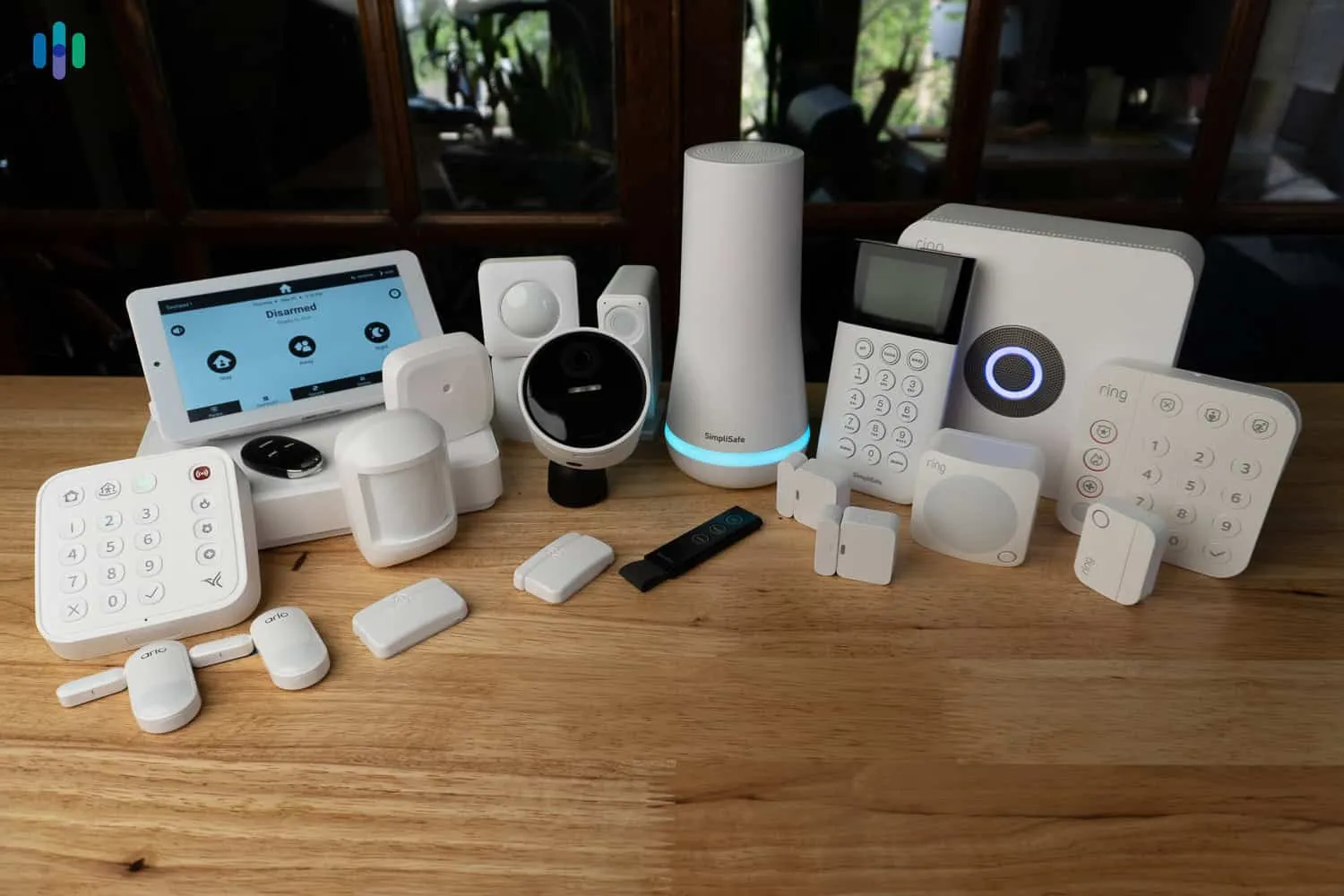
Andrew started researching modern home security systems after realizing that physical locks and lighting were only part of the solution. He wanted a way to receive information about the property when he was away from home.
He was particularly interested in cameras that could provide visibility around entrances and driveways. Winter weather made this especially useful because darkness and snow could make it difficult to see what was happening outside.
He also looked at sensors for doors and windows. Knowing when an entrance was opened gave him another layer of awareness when the family was away.
Andrew understood that technology needed to work with the home rather than replace basic security habits. A camera could provide useful information but it could not replace a locked door or a properly maintained entrance.
Preparing Before Leaving Home
A few weeks later Andrew's family planned a short winter trip. They would be away for four days and knew that the house could look empty during that time.
Before leaving they checked every entrance carefully. They made sure the garage was closed and that no packages or other items were left outside.
They also asked a trusted neighbor to keep an eye on the property. The neighbor agreed to collect mail and let them know if anything unusual happened.
Andrew also made sure the driveway did not remain completely untouched. A neighbor was able to move a vehicle occasionally which helped the property maintain a normal appearance.
Protecting the Home During Winter Travel
Andrew had once believed that leaving a house empty during winter was mostly a matter of turning down the heat and locking the front door. Now he understood that an empty property could require more planning.
He avoided sharing detailed travel information publicly before leaving. He also kept important valuables away from windows where they could easily be seen from outside.
The family checked their security devices before starting the trip. Andrew wanted to know that everything was working properly before they drove away.
During the trip he occasionally checked the property remotely. Being able to confirm that everything appeared normal gave him peace of mind without requiring constant attention.
Learning From the Experience
When the family returned home the neighborhood was covered in fresh snow. Andrew immediately noticed that everything looked normal. The driveway was clear and the house appeared exactly as they had left it.
The trip made him realize how much his approach to security had changed. Before that winter he had rarely considered how weather could affect the protection of his home.
He now understood that winter could create new blind spots and change daily routines. Snow could block windows while early darkness could make outdoor areas difficult to observe.
He also learned that winter security was not about becoming overly cautious. It was about preparing for realistic conditions and making small improvements before they became necessary.
Building a Strong Winter Security Routine
Andrew continued reviewing his property throughout the season. After major snowfalls he checked the entrances and outdoor cameras. He also watched for branches that could block views as winter storms moved through the area.
His family continued their evening routine as well. Checking doors and windows became as ordinary as turning off the lights before going to bed.
They also became more aware of their surroundings. When they noticed unfamiliar activity near the property they paid attention instead of immediately dismissing it.
The experience gave Andrew a new perspective on home ownership. Security was not something that could be completed once and forgotten. It needed occasional attention as the seasons changed.

A Safer Home Throughout the Canadian Winter
Working with Empire Security helped Andrew understand that winter protection required a combination of good habits proper planning and suitable technology. The goal was not to make his family constantly worry about security. It was to make the home easier to monitor during difficult winter conditions.
His experience also showed that homeowners should review their security before the coldest months arrive. Checking doors lighting cameras windows and outdoor areas can reveal problems that may otherwise remain unnoticed.
Canadian winters can bring heavy snow early darkness freezing temperatures and long periods when families spend more time indoors. These conditions can change how a property looks and how people move around it.
For Andrew the footprints in the snow became an unexpected reminder that security problems do not always announce themselves clearly. Sometimes a small detail is enough to show that a property needs another look.
Making Winter Security Part of Everyday Life
By the end of the season Andrew no longer viewed winter as a security problem. Instead he saw it as another part of responsible home ownership. Every season brought different conditions and each one required a slightly different approach.
He understood that simple actions could make a meaningful difference. Keeping entrances visible maintaining outdoor lighting checking locks and paying attention to unusual activity all became normal parts of his routine.
Most importantly he stopped assuming that a quiet neighborhood meant there was nothing to prepare for. Feeling safe and being prepared were two different things.
That winter taught Andrew that good security begins with awareness. When homeowners understand how weather affects their property they can make better decisions and create a safer environment for their families throughout the Canadian winter.






















Sign in to leave a comment.