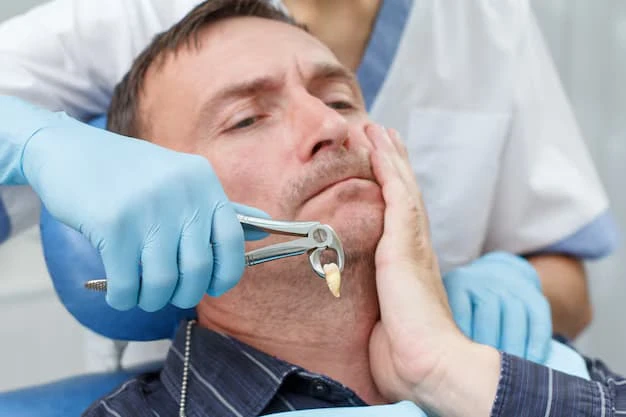

The journey of wisdom teeth removal is often a rite of passage, particularly for young adults. This dental procedure is not merely about extracting extra molars; it’s about ensuring long-term oral health and comfort. In Brookline, many individuals seek expert care for this procedure, aiming for a seamless experience from consultation through recovery. Understanding the intricacies of wisdom teeth removal can significantly ease the post-operative journey, making it less daunting and more manageable.
Understanding Wisdom Teeth and Their Impact
Wisdom teeth, or third molars, typically emerge in late adolescence or early adulthood. For some, these teeth can grow without issues, providing additional chewing power. However, for many, they become a source of discomfort and dental complications. The jaw often lacks the space to accommodate these extra molars, leading to impaction, where the teeth remain trapped beneath the gum line or only partially emerge. This can result in pain, swelling, and a host of other oral health problems.
In Brookline, the advice from dental professionals often emphasizes early intervention. Regular dental check-ups can help monitor the development of wisdom teeth and determine the right time for removal. Dental X-rays allow for a clear view of the positioning of these teeth, enabling practitioners to recommend the most appropriate course of action. When wisdom teeth become problematic, timely removal can prevent more serious issues, such as infections, overcrowding, and misalignment of other teeth.
Preparing for Wisdom Teeth Removal
Preparation is a crucial aspect of ensuring a smooth experience during and after wisdom teeth removal. Patients should engage in open discussions with their dental care providers about the procedure. This includes understanding the type of anesthesia that will be used, whether local or general, and what to expect during recovery. A well-informed patient will feel more at ease on the day of the procedure.
Before the surgery, it is advisable to arrange transportation as patients are often unable to drive themselves home post-operation. Additionally, stocking up on soft foods can make the recovery period more comfortable. Items such as yogurt, applesauce, and smoothies should be on hand, as they are easy to consume and gentle on the healing gums. Hydration is equally important; however, patients should avoid using straws, as the suction can dislodge blood clots and lead to complications such as dry socket.
On the day of the procedure, arriving early allows time to fill out any necessary paperwork and discuss any last-minute concerns with the dental team. This preparation can help alleviate anxiety and set a positive tone for the procedure ahead.
The Procedure: What to Expect
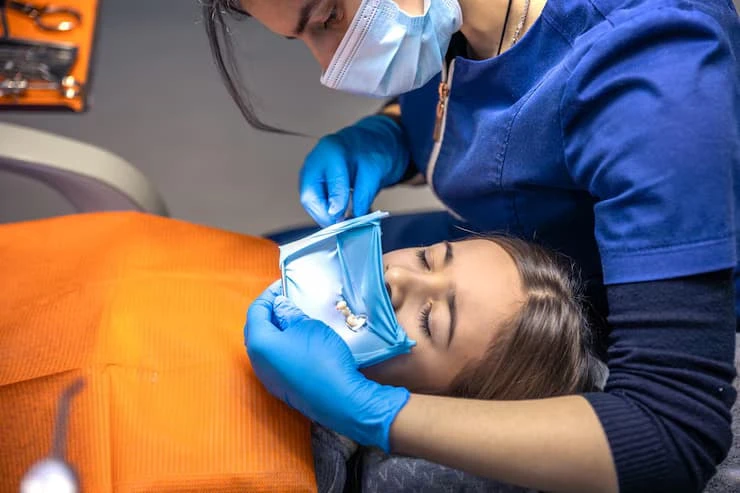
The actual process of wisdom teeth removal is relatively straightforward but varies depending on the complexity of the case. For some individuals, the teeth may be easily accessible, while others may require surgical intervention to extract impacted teeth. A local anesthetic is typically administered to numb the area, or in more complex cases, general anesthesia is used to ensure the patient remains completely comfortable.
During the procedure, the dental team will carefully extract the wisdom teeth, ensuring minimal trauma to the surrounding tissues. Patients may feel pressure during the extraction, but pain should be well-managed with anesthesia. The procedure usually lasts about 45 minutes to an hour, depending on the complexity of the extraction. Post-operative care instructions will be provided, which are crucial for a smooth recovery.
Post-Operative Care for a Smooth Recovery
Recovery after wisdom teeth removal is a vital phase that requires attention to detail. While the procedure itself may be over in a short time, the healing process can take several days. Following the dentist’s post-operative instructions is essential to promote healing and reduce the risk of complications.
In the initial hours following surgery, patients should prioritize rest. Elevating the head while resting can help reduce swelling and discomfort. Ice packs applied to the cheeks can also minimize inflammation in the first 24 hours. It is advisable to avoid rigorous physical activity during the initial recovery phase, as this can exacerbate swelling and bleeding.
As the days progress, patients will need to gradually reintroduce soft foods into their diets. It is essential to maintain good hydration, but as previously mentioned, drinking through straws should be avoided. Proper oral hygiene is crucial, but care must be taken to avoid the surgical site. Gentle rinsing with warm salt water can help keep the mouth clean without disturbing the healing tissues.
Pain management is another critical aspect of recovery. Over-the-counter pain relievers may be recommended, but patients should consult their dentist about which medications are most appropriate for their situation. It's important to be aware of any unusual symptoms such as prolonged bleeding, severe pain, or signs of infection, as these may require prompt medical attention.
Recognizing Potential Complications
While wisdom teeth removal is a common procedure, understanding potential complications can help patients remain vigilant during their recovery. One common issue is dry socket, which occurs when the blood clot at the extraction site becomes dislodged. This can lead to intense pain and delay the healing process. Patients should be educated on the signs of dry socket, which include sharp pain that arises a few days post-surgery and a foul odor from the mouth.
Infections can also occur, particularly if post-operative care instructions are not followed. Symptoms of infection may include fever, excessive swelling, and pus discharge from the extraction site. If any of these symptoms arise, it’s important to contact a dental professional immediately for evaluation and treatment.
Another complication that can arise is damage to surrounding teeth or nerves during extraction. While this is rare, it can lead to numbness or altered sensation in the jaw or lips. Patients should discuss these risks with their dental provider before the procedure to understand the potential implications.
The Importance of Follow-Up Care
Following wisdom teeth removal, follow-up appointments are crucial to ensure proper healing and address any concerns that may arise. These appointments allow the dentist to monitor the recovery process, check for signs of complications, and remove any dissolvable stitches if necessary. Regular communication with the dental care team reinforces the importance of patient engagement in the healing process.
For residents in Brookline, establishing a relationship with a dental practice that prioritizes patient care can significantly enhance the recovery journey. A proactive approach to follow-up care can help alleviate any lingering concerns and promote a swift return to normal activities.
Conclusion
Wisdom teeth removal in Brookline is a procedure that requires careful consideration and preparation. By understanding the process, preparing adequately, and following post-operative care instructions, patients can navigate this experience with confidence and ease. The journey doesn’t end with the extraction; rather, it is a pivotal moment in maintaining oral health for years to come. For expert care and support throughout this process, patients can rely on CITIDENTAL Brookline to guide them toward a smooth recovery.























Sign in to leave a comment.