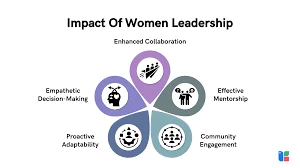

In our world today, leadership is not just about authority; it is about impact. Women leaders, throughout the world, are providing their own definition of leadership—where they value strength and empathy with genuine social change. Be it in politics, or in advocacy in communities; their leadership style places emphasis on not just growth, but on inclusion, justice, and sustainability.
This is the story of how women leaders are contributing to a more equitable world—and why their empowerment is necessary for true social change.
The Growth of Women Leaders
Over the last few decades, a powerful shift in who is represented as leaders has taken place. Women have smashed glass ceilings across industries, governments, and communities. With the release of this year's Global Gender Gap Report, which can be found here, the World Economic Forum documents women increased representation in leadership positions. Furthermore, it shows that this rise reflects a growing acknowledgment throughout the world of the need for diverse leadership, and how diverse representation creates better results.
A McKinsey study also found that companies with more women in executive leadership positions are 25% more likely to have higher rates of financial performance than their peers. However, beyond many projected and data points, women's leadership style showcases a different style of leadership that is inherently collaborative, empathetic, and community driven.
These qualities have become essential to solving global challenges of equity, climate change, sustainability, etc.
Female Leaders Bringing About Meaningful Social Impact
1. In Politics: Leading with Compassion and Openness
Jacinda Ardern is a powerful example of a kind leader in authority. Although her term as Prime Minister in New Zealand was brief, she led the country during the COVID-19 pandemic while practicing leader transparency, compassion, and timeliness, resulting in worldwide recognition for saving lives and increasing public acceptance of the demands placed on the population.
Another example of a woman tackling the issues, that male politicians might refuse to discuss, is Sanna Marin, former Prime Minister of Finland and the youngest leader in the world (34), as of her time in office. During her time as the Prime Minister, Finland continued to implement progressive reforms such as education, parental leave, and climate change issues. Both Ardern and Marin established that being compassionate and an effective leader can coexist - and in fact, being able to work with your emotional intelligence makes you stronger, not weaker, as a leader.
2. In Business: Building Purposeful Companies
We, as women leaders, are turning to be the agents of change in big businesses that can socially and environmentally responsibly be profitable. As such, one of our references is Indra Nooyi, the ex-CEO of PepsiCo, who was the first to bring up the idea of "Performance with Purpose," thus broadening the company's strategies concerning sustainability, health-conscious products, and women's programs.
Another changemaker, Reshma Saujani, is the founder of Girls Who Code, aimed at closing the gender gap in the tech industry. From the very beginning as a minor idea, it has turned into a worldwide movement that has empowered millions of girls to take up coding and technology, thus changing the future of STEM industries.
Their examples are the evidence that women, if empowered, will not only seek profit, but they will also be the drivers of progress.
3. In Activism: Transforming Pain into Purpose
One of the most significant changes in society has been the rise of women who have converted their personal hardships into the fight for rights.
Malala Yousafzai, who was shot by extremists for asking for education for girls, became the youngest Nobel Prize winner in history and an international voice for the rights of children.
Wangari Maathai, the first female Nobel Peace Prize winner of Kenya, started the Green Belt Movement, which helped the empowerment of the women in the countryside through the protection of nature.
In India, Laxmi Agarwal, a victim of an acid attack, turned her agony into a vow by leading the way for stricter laws and the promotion of acid attack-related violence. Her bravery affected a great number of people and was even made into a Bollywood movie (“Chhapaak”) that helped her reach further.
Such leaders demonstrate that the time for change is not usually in the executive suites—it is most often a matter of the heart.
Why Women’s Leadership Models Create Lasting Social Change
There is an ever-growing body of research that shows, as a generalization, when there are women leaders in organizations, they will focus more on the long-term societal good instead of short-term political or economic benefit. They will prioritize issues that cultivate the building blocks of a sustainable society—education, health, women’s representation, economic equality, environment, etc.
Research by the Harvard Kennedy School indicates that in political leadership roles, women are more willing to sponsor laws promoting social welfare and transparency, and to invest money into programs that lift the most marginalized groups in society.
Women leaders tend to employ a mix of reason and empathy in their leadership style that produces long-lasting change.
“When women lead, change is not just experienced in the community. Change is heard, felt, and experienced by families, friends, and future generations.”
Obstacles Still Preventing Women from Advancing
Despite incredible advancements made by all women, the journey to equity is still far from over. According to the World Bank (2024) women still occupy less than 30% of the world’s leadership positions. Impediments such as discrimination in the workplace, pay imbalance, under-representation, and societal stereotypes persist and continue to provide inequality for women.
For many women, there is also the “double burden” - women often balancing the desire to get ahead in the workplace with family responsibilities in societies demanding woman “do it all."
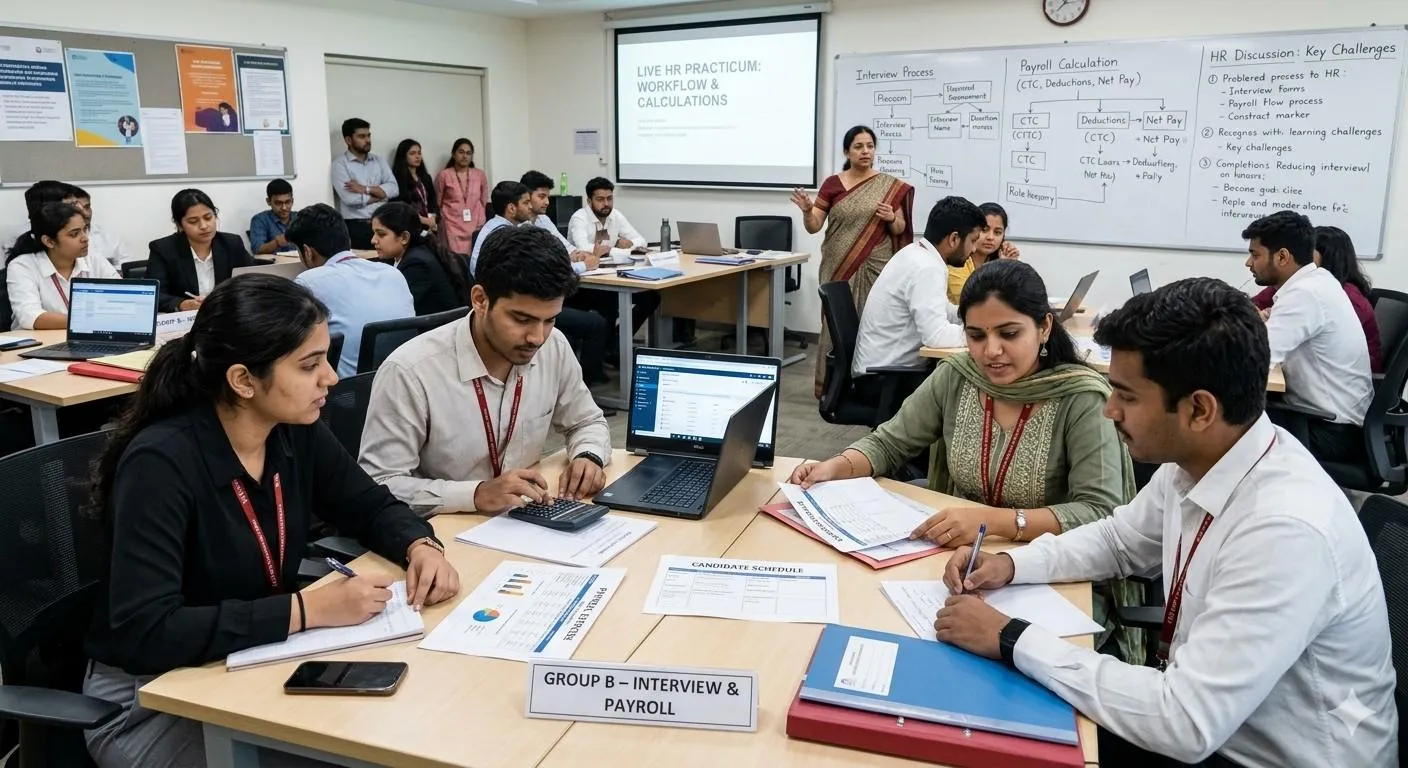
To counter this, organizations and governments must invest in mentorship and development opportunities, programs equal pay, and programs to develop women’s leadership capacity at all levels.
Inspiring Women Leaders for the Future
The stories of women such as Ardern, Nooyi, Malala and countless others are not individual stories; they represent sparks igniting something much larger. There are now opportunities in education, non-profits, and corporations that require institutions to join in the collective responsibility of turning those sparks into flames.
Mentoring and skill-building to develop young women leaders will yield future generations of reformers, innovators and change makers.

























Sign in to leave a comment.