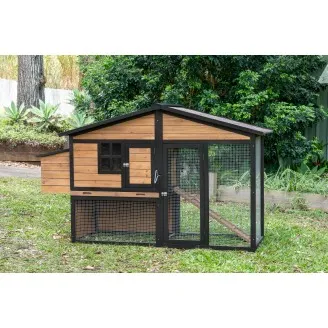
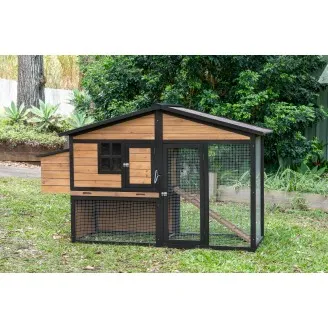
More Australian families than ever are bringing chickens into their backyards, and it's easy to see why. Fresh eggs, natural pest control, and a bit of daily joy watching your hens potter around the yard — it's a rewarding hobby. But before you bring home your first flock, the single most important decision you'll make is choosing the right coop. For most backyard keepers, wooden chicken coops remain the gold standard, and this guide explains exactly why.
Why Timber Still Wins Over Metal or Plastic
Wood has been used to house chickens for centuries, and there's good reason it hasn't been replaced. Timber naturally regulates temperature, keeping your flock cooler during hot Australian summers and warmer through cold snaps, without you needing to add insulation or cooling systems. Metal coops, on the other hand, can become uncomfortably hot in direct sun, while plastic options often lack the strength to withstand determined predators.
Wooden chicken coops also age gracefully. A well-maintained timber coop can last well over a decade, and unlike metal, it's simple to repair a worn panel or extend the structure as your flock grows.
What Makes a Quality Chook House
Not all coops are built the same, and it's worth knowing what separates a good chook house from a flimsy one before you buy:
- Timber grade – Look for treated, weather-resistant timber that resists warping and rot.
- Ventilation – Vents positioned near the roofline allow airflow without creating draughts at roosting height.
- Predator-proofing – Secure latches and galvanised mesh with no gaps larger than a few centimetres keep foxes, snakes, and birds of prey out.
- Easy-clean features – Slide-out droppings trays and external egg collection doors save significant time on maintenance.
- Sensible sizing – Aim for around 0.3–0.4 square metres of coop floor space per bird, plus 1–2 square metres of run space.
These details matter whether you're shopping locally or searching more broadly for chicken coops SEQ options across South East Queensland — climate and predator pressure can vary a fair bit between coastal, suburban, and rural properties, so it pays to match the coop to your specific conditions.
Chicken Coops vs. Rabbit Hutches: Know the Difference
If you're new to backyard animal keeping, it's worth clarifying one common point of confusion. Chicken coops are purpose-built for hens, with roosting bars, nesting boxes, and ventilation suited to poultry. Rabbit hutches, by contrast, are designed differently — typically with solid flooring, no roosting bars, and different security needs for burrowing predators. If you're after hutches for sale as well as a coop, make sure each structure is genuinely fit for the animal it's housing, rather than trying to make one enclosure serve both purposes.
Placement and Setup Tips
Once you've chosen your wooden coop, where you place it matters just as much as the build quality. A few practical tips:
- Choose slightly elevated, well-drained ground to avoid water pooling underneath in wet weather.
- Offer partial shade, either from established trees or a shade cloth over part of the run, to prevent overheating.
- Check latches, hinges, and mesh weekly, since even small gaps can be exploited by predators over time.
- Refresh bedding regularly to reduce ammonia buildup and keep your flock healthy.
Buying Tips: What to Avoid
Cheap flat-pack chook houses can be tempting on price, but thin, untreated timber and lightweight mesh rarely hold up to a full Australian summer, let alone a persistent predator. When comparing chicken coops, it's worth checking timber thickness, mesh gauge, and whether the roof is genuinely weatherproofed rather than just water-resistant on paper.
Where to Find Reliable Wooden Chicken Coops
If you're ready to set your flock up properly, Coops and Hutches Direct offers a solid range of wooden chicken coops designed specifically for Australian backyards — with durable timber construction, strong ventilation, and predator-resistant runs built in as standard. You can browse the full range of chicken coops here and compare sizes to suit backyards of any scale, from a couple of hens to a growing family flock.
Final Thoughts
Choosing between wooden chicken coops and other materials comes down to long-term comfort, durability, and ease of maintenance — and timber consistently delivers on all three. Whether you're setting up your very first chook house or upgrading an ageing coop, taking the time to check ventilation, predator-proofing, and build quality will save you headaches down the track and keep your flock happy and healthy for years to come.


























Sign in to leave a comment.