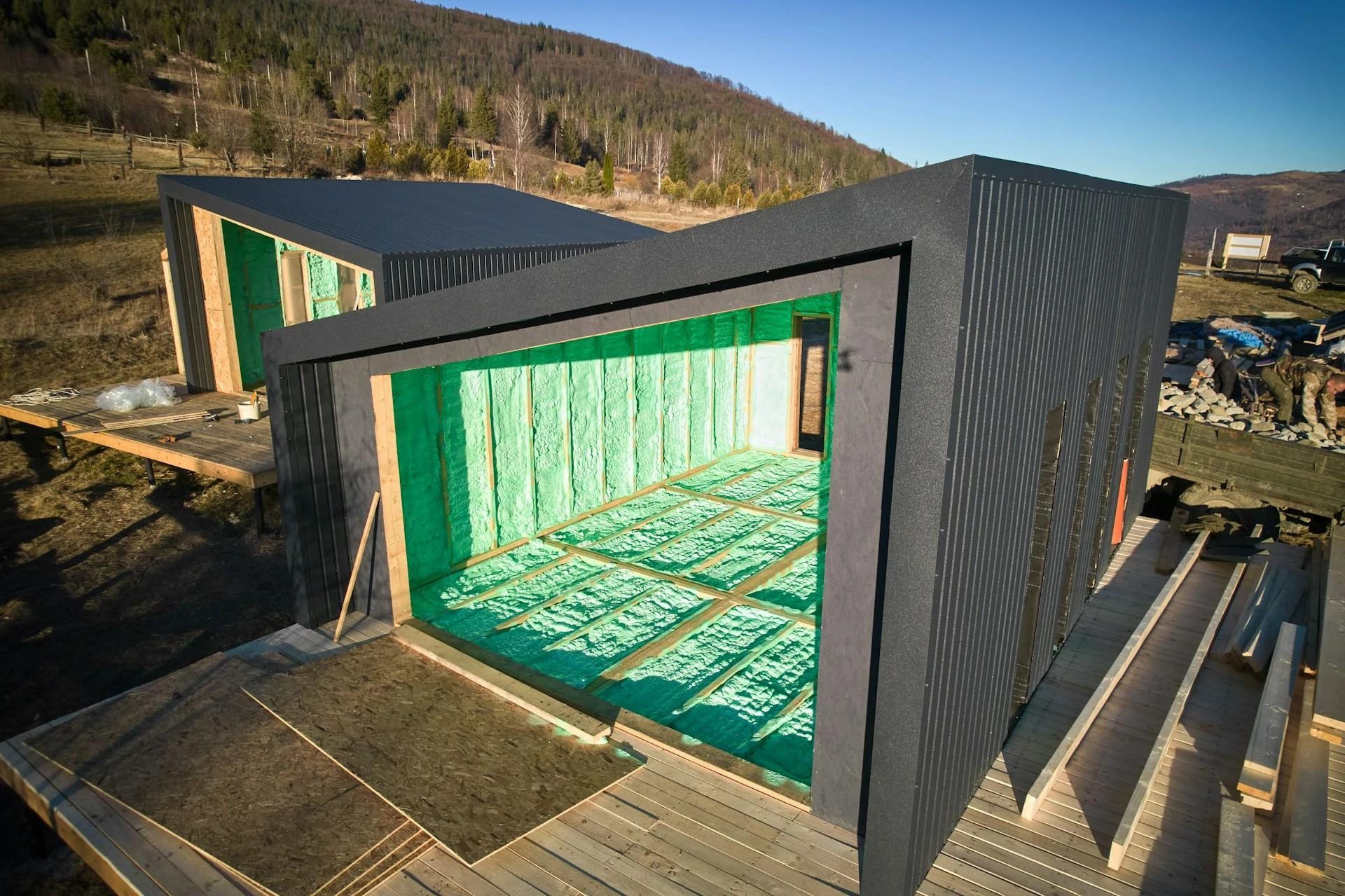

Homes often rely on advanced systems to manage comfort and energy use. Smart thermostats, powered ventilation, and automated controls promise efficiency through technology. Many homeowners overlook a simpler path that works quietly every day. Insulation plays a central role in how a house performs in hot and cold conditions. Wool insulation stands out because it delivers energy efficiency through natural behavior rather than devices. This topic matters for people seeking comfort without complexity.
Wool has been used in buildings for generations. Long before modern heating systems, natural fibers helped control indoor temperatures. Today, the same material supports energy goals in a more demanding world. Wool insulation reduces heat loss, controls moisture, and stabilizes indoor conditions. It works continuously without software, wiring, or updates. Understanding how this material performs helps homeowners make informed choices.
Energy Efficiency starts inside the Walls
Energy efficiency often brings to mind appliances or heating units. Real performance begins deeper within the structure of a home. Heat moves naturally from warm areas to cooler ones. Insulation slows this movement and keeps indoor temperatures stable. When insulation performs well, energy systems work less often. This reduces power use and lowers monthly costs.
Poor insulation allows heat to escape in winter and enter in summer. Rooms feel uncomfortable even when systems run longer. Wool insulation addresses this issue by creating a consistent thermal barrier. Its fibers trap air pockets that resist heat flow. This process happens naturally without mechanical assistance. The result is a calmer and more balanced indoor climate.
Natural fibers doing quiet work
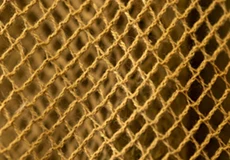
Wool insulation works through the structure of its fibers. Each strand has a crimped shape that captures air. Air acts as a strong insulator when held still. This design allows wool to regulate temperature throughout the year. Homes stay warmer in cold seasons and cooler during hot months.
Many homeowners choose Diy wool insulation for small upgrades and renovations. The material is flexible and easy to handle. It fits around framing, wiring, and irregular spaces without heavy tools. Once installed, it starts working immediately. No calibration or adjustments are required over time.
Wool also manages moisture naturally. Fibers absorb and release water vapor without losing insulation value. This helps prevent condensation inside walls. Stable moisture levels support long term building health. Comfort improves while energy use remains controlled.
Comfort without controls or devices
Modern homes often rely on technology to manage comfort. Sensors, apps, and programmed systems adjust temperatures throughout the day. These systems help, yet they depend on power and maintenance. Wool insulation offers a different approach. It passively supports comfort without input or monitoring.
Indoor temperatures feel more stable when insulation performs consistently. Wool reduces sudden temperature changes caused by outside weather shifts. Rooms warm up faster and cool down more evenly. Heating and cooling systems cycle less often. This reduces wear and energy demand.
This natural performance supports daily living. Occupants feel comfortable without adjusting controls frequently. Quiet efficiency becomes part of the home rather than a feature that needs attention.
Moisture balance and indoor air support
Energy efficiency connects closely with moisture control. Damp air feels colder in winter and heavier in summer. Wool insulation handles moisture in a way that supports comfort. It absorbs excess humidity when air becomes moist. When conditions dry out, it releases that moisture back into the air.
This natural moisture behavior supports homes in several ways:
- Helps maintain steady indoor humidity levels
- Reduces condensation risk inside walls and ceilings
- Supports healthier indoor air conditions
- Lowers strain on heating and cooling systems
- Helps limit mold and mildew development
Wool fibers can also absorb pollutants and odors from indoor air. Over time, these substances break down naturally. This adds another layer of comfort without filters or machines. Homes feel fresher while energy use remains efficient.
Long term performance without upgrades
Technology based solutions often require updates or replacement. Software changes, components wear out, and systems become outdated. Wool insulation avoids these challenges. Once installed, it continues performing for decades. Its fibers retain structure and insulation value over time.
Durability supports energy efficiency across the lifespan of a home. Consistent insulation means consistent performance year after year. Homeowners avoid repeated investments in new systems. Maintenance remains minimal compared to mechanical solutions. This long term reliability suits both new builds and renovations. Wool adapts to different structures without losing effectiveness. Energy savings accumulate quietly without ongoing effort.
Environmental value linked to efficiency
Energy efficiency also connects to environmental impact. Wool insulation comes from a renewable source. Sheep produce new wool each year, making the supply sustainable. Processing requires less energy compared to many synthetic materials.
Homes insulated with wool often rely less on powered systems. Reduced energy demand lowers overall emissions. This supports broader environmental goals without lifestyle changes. Choosing materials that work naturally aligns comfort with responsibility.
Wool insulation also remains safe at the end of its life cycle. It can biodegrade or be reused. This reduces waste and supports circular building practices. Energy efficiency extends beyond the home into the wider environment.
Simple material meeting modern needs
Wool insulation proves that advanced technology is not always required for high performance homes. Its structure, moisture handling, and durability deliver real efficiency. Homes stay comfortable with fewer energy demands. Systems work less while results improve. This material fits modern expectations for sustainability and simplicity. Builders and homeowners gain a solution that works quietly every day. Energy efficiency becomes part of the building itself. Wool insulation supports comfort without relying on tech driven solutions.

























Sign in to leave a comment.