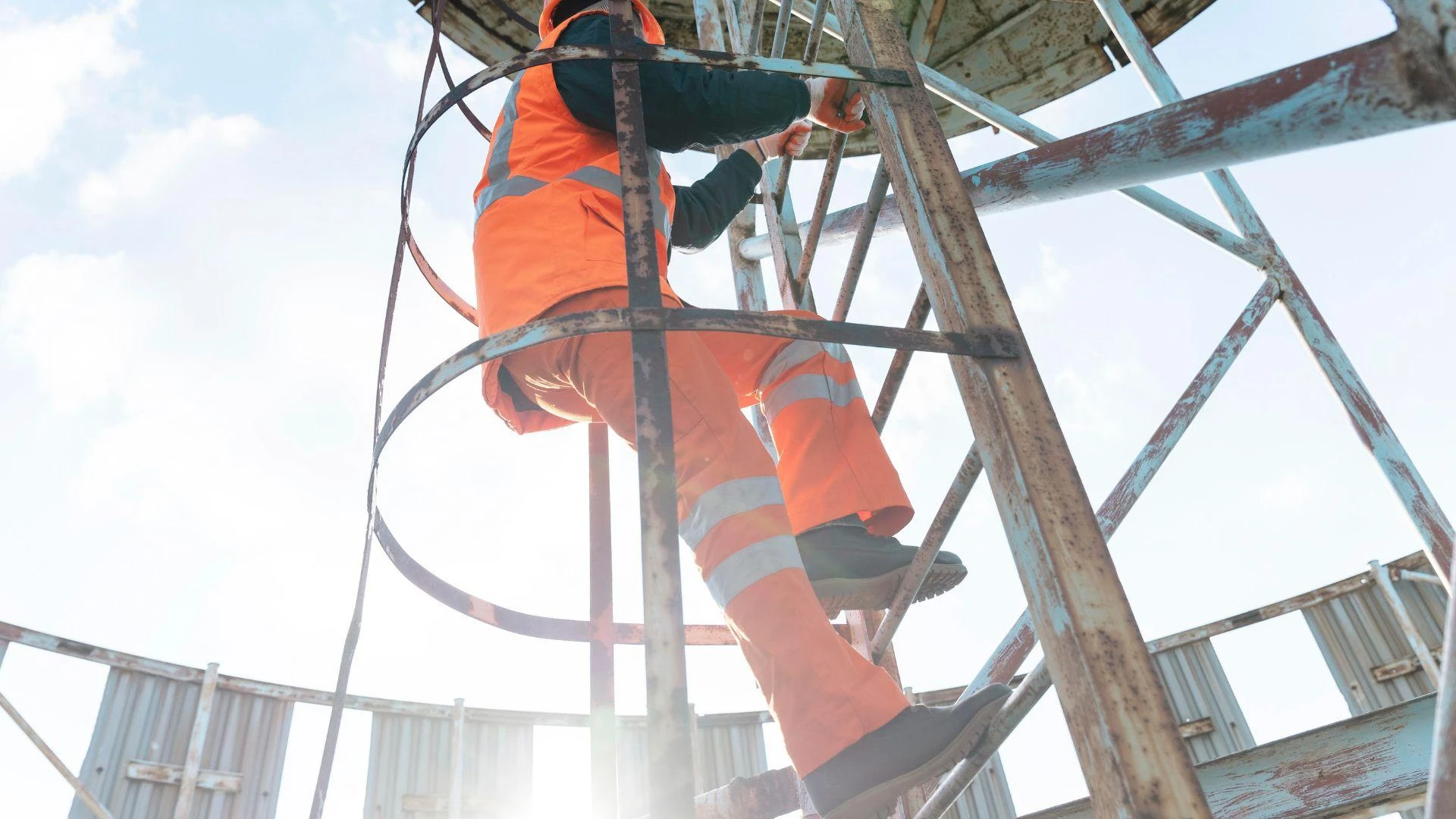
Work completed above ground level poses a significant safety risk. Falls remain a leading cause of severe injury. Industrial and maintenance sectors face this hazard daily. Proper preparation is not optional; it is a legal requirement. Specialized education ensures every worker understands fall hazards. Working at heights training in Sydney provides essential knowledge. This critical instruction protects employees. It safeguards company compliance records. Adherence to safety protocol prevents workplace tragedies.
Identifying High-Risk Work Environments
Many Sydney industrial sites require work at elevation. The risk assessment process identifies these areas. Knowing about the dangers is the initial step to follow:
- Scaffolding and Platforms — Operating on scaffolds includes the risk of falling.Training covers safe access and platform stability checks. Workers learn correct harness attachment points.
- Roof Access and Maintenance — Roof work often lacks secure perimeter protection. Courses detail anchor point selection and lifeline use. Understanding roof integrity is crucial before stepping onto the surface.
- Elevated Work Platforms (EWP) — Operating machinery like boom lifts requires separate certification. Training ensures safe setup and proper restraint use within the platform. Rules govern stability and proximity to power lines.
Core Components of the Training Program
A comprehensive course delivers practical skills, not just theory. Education focuses on immediate hazard control. The stable competency is built with constant practice.
- Hazard Recognition — Trainees will know how to find potential fall hazards instantly. Unprotected edges or brittle surfaces are easily overlooked. Awareness becomes an ingrained skill.
- Risk Control Measures — Hierarchy of controls dictates prevention methods. Elimination of the risk is always the primary goal. Barriers, guards, and administrative controls are thoroughly covered.
- Selection of Fall Protection — Choosing the correct harness and lanyard is vital. Equipment choice depends on the work environment. Workers must understand system limitations.
- Anchor Point Criteria — Identifying suitable anchor points is essential for personal safety. Training covers inspection for structural integrity. The anchor point should manage the person’s weight during the fall.
Fundamental Equipment and Inspection Guidelines
Reliance on equipment demands absolute certainty in its function. A defect in a harness can have fatal consequences. Regular inspection is a mandatory requirement.
- Harness Donning and Fit — Correctly wearing a safety harness ensures even force distribution. Trainees learn proper fitting techniques for maximum comfort and security. A poorly worn harness offers inadequate protection.
- Pre-Use Checks — Daily equipment checks are a non-negotiable procedure. Workers learn to inspect webbing for cuts or fraying. Buckles and stitching require close examination before every use.
- Fall Arrest Systems — Understanding lanyards, shock absorbers, and lifelines is crucial. Different systems suit different vertical distances. Equipment should not void the legal norms of Australia.
Legal and Compliance Mandates in NSW
Work Health and Safety (WHS) laws enforce strict rules regarding height work. Certification is a legal necessity for all workers in Sydney performing these tasks. Employer responsibility extends to proper training documentation.
- WHS Act Requirements — Certification proves a worker has met the minimum safety competency standards. Lack of certification exposes the company to legal action. Compliance is necessary for operational legitimacy.
- Site Induction Necessity — Construction and industrial sites demand proof of certification upon entry. Workers without current certification are denied access. Timely renewal of training is therefore essential.
Working at heights training Sydney program provides industry-recognized certification. This qualification is accepted across all local Sydney worksites. It validates a worker’s commitment to safety protocol.
Advanced Rescue and Emergency Protocols
The training program covers planning for the worst-case situations. A rescue plan must be immediately available on site. Workers need familiarity with emergency procedures.
- Suspension Trauma Risk — A person suspended after a fall faces immediate health risks. Training details how to manage this danger. Prompt rescue reduces the chance of serious injury.
- Developing a Rescue Plan — A site-specific plan dictates rescue procedures. Workers learn to assess a scene quickly and effectively. The plan must address all foreseeable complications.
- Clear Communication — Emergency communication relies on specific language and signals. Training drills ensure clarity under duress. Effective communication minimizes rescue time.
Secure Your Team’s Safety with Expert Training
Protecting workers from catastrophic falls is paramount. Compliance with WHS law is non-negotiable for Sydney businesses. Investing in accredited working at heights training in Sydney is the smart choice. Give your maintenance and industrial teams the confidence they need. Secure their safety. Secure your operations.
Train with Training Aid Australia. Book your certified course today!





























Sign in to leave a comment.