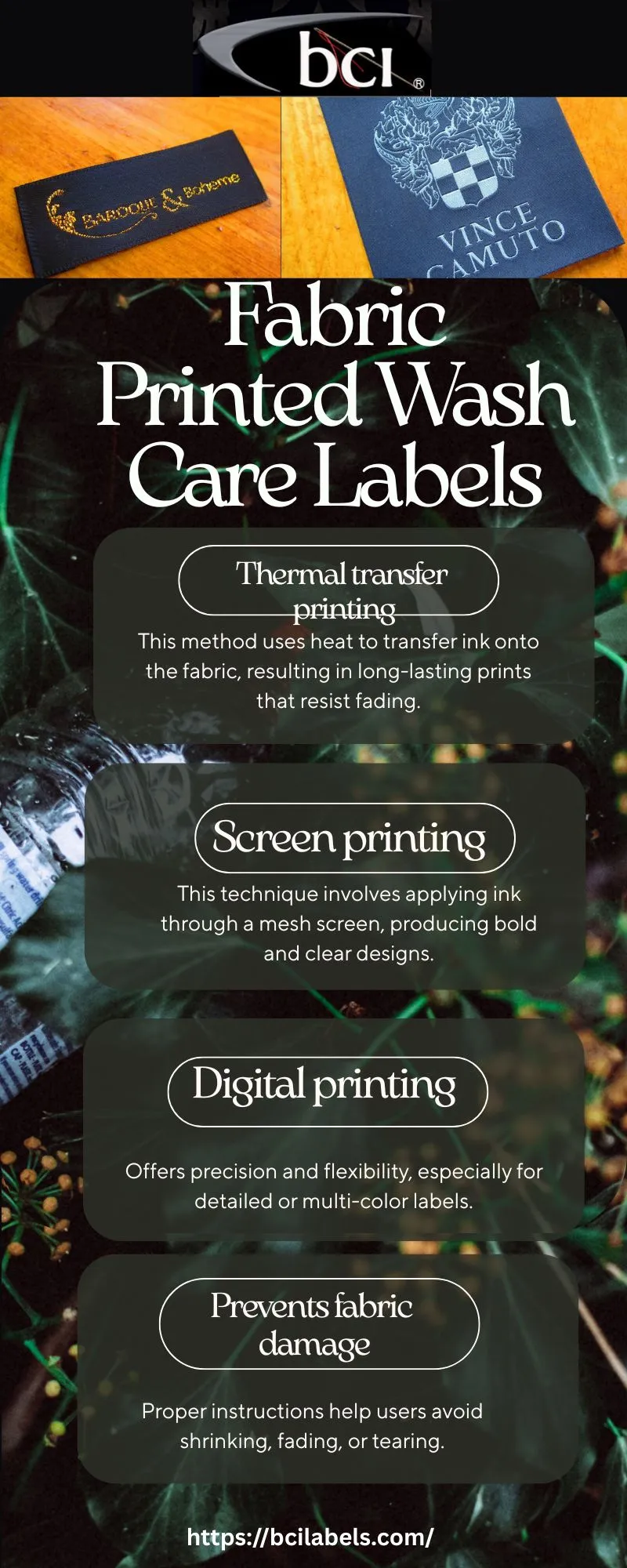

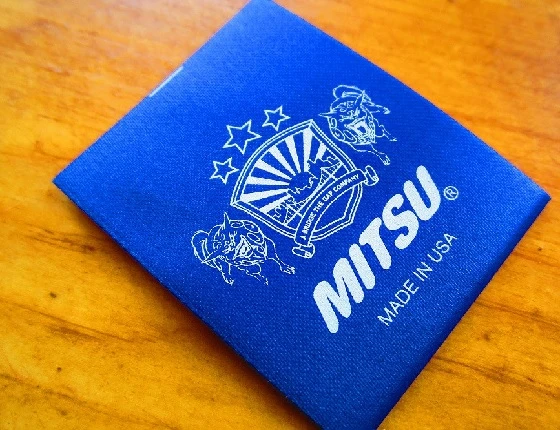
In the modern apparel industry, details often define the difference between ordinary and premium garments. Among these details, labels play a crucial role in communicating quality, craftsmanship, and brand identity. Woven High End Clothing Labels have become an essential component in luxury and designer clothing, offering durability and a refined aesthetic that printed alternatives often cannot match.
These labels are not merely functional elements displaying brand names or care instructions. Instead, they serve as an extension of the garment itself, reinforcing the overall perception of quality and attention to detail. For consumers, especially those who value premium products, a well-crafted label contributes to the overall experience of owning and wearing high-end apparel.
Understanding Woven Labels
Woven labels are created by interlacing threads to form text, logos, and designs directly into the fabric. Unlike printed labels, where ink is applied to a surface, woven labels integrate the design into the material itself. This method results in a more durable and long-lasting label that can withstand repeated washing and wear.
The weaving process allows for intricate detailing, making it possible to represent logos and typography with precision. This level of craftsmanship is particularly important in high-end fashion, where brand presentation must align with the garment’s overall quality.
Materials Used in Premium Labels
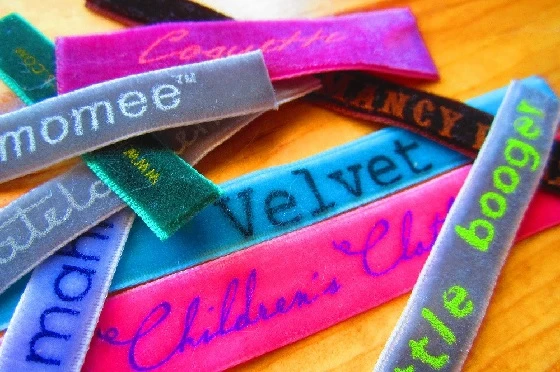
The quality of a woven label largely depends on the materials used. High-end labels are typically made from threads such as polyester, satin, cotton, or damask. Each material offers distinct characteristics that influence the look and feel of the label.
Polyester is widely used for its durability and resistance to fading. Satin provides a smooth and glossy finish, often associated with luxury garments. Cotton labels, on the other hand, offer a natural and soft texture that aligns with eco-conscious branding. Damask is considered one of the most premium options due to its fine weave and ability to display intricate designs with clarity.
The choice of material should align with the garment’s purpose and the brand’s identity. A luxury evening dress may benefit from a satin label, while a premium casual wear line might opt for cotton or damask.
Importance of Design and Aesthetics
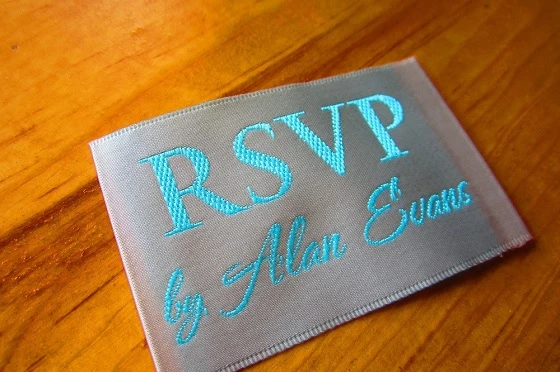
Design plays a central role in the effectiveness of a woven label. From typography to color selection, every element must be carefully considered. High-end labels often feature minimalistic yet elegant designs that reflect sophistication.
Color contrast is essential to ensure readability, while maintaining harmony with the garment. Subtle tones and refined finishes are commonly used to create a sense of exclusivity. Additionally, the size and placement of the label should complement the garment without overpowering it.
A well-designed label not only enhances the visual appeal but also strengthens brand recognition. When customers associate a particular label style with quality, it contributes to long-term brand loyalty.
Durability and Longevity
One of the key advantages of woven labels is their durability. Since the design is woven into the fabric rather than printed on top, it does not fade or peel over time. This makes them ideal for garments that are frequently washed or worn.
High-end clothing is often expected to maintain its quality over an extended period. A durable label ensures that branding and essential information remain intact throughout the garment’s lifecycle. This reliability is especially important for maintaining a consistent brand image.
Comfort and Wearability
Comfort is another important consideration when it comes to clothing labels. Poorly made labels can cause irritation, especially when placed in sensitive areas such as the neckline. Premium woven labels are designed with comfort in mind, using soft materials and smooth finishes.
Techniques such as folded edges or heat-sealed borders help prevent fraying and reduce irritation. In high-end garments, labels are often seamlessly integrated to ensure they do not disrupt the wearer’s experience.
Branding and Identity
Labels are a powerful branding tool. They serve as a constant reminder of the brand every time the garment is worn. In luxury fashion, where branding is closely tied to perception, labels must convey a sense of exclusivity and refinement.
A thoughtfully designed woven label can communicate the brand’s story, values, and attention to detail. It becomes a signature element that distinguishes the brand from competitors. For emerging designers, investing in high-quality labels can significantly enhance the perceived value of their products.
Sustainability Considerations
As sustainability becomes a growing concern in the fashion industry, many brands are exploring eco-friendly options for their labels. Woven labels made from organic cotton or recycled materials are gaining popularity.
Sustainable labels not only reduce environmental impact but also align with the values of conscious consumers. By choosing eco-friendly materials and production methods, brands can demonstrate their commitment to responsible practices.
Applications Across Apparel Categories
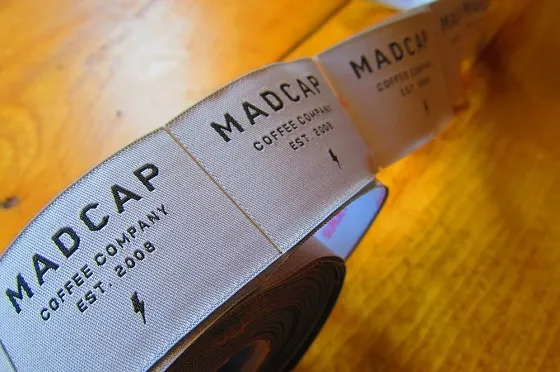
Woven labels are versatile and can be used across various types of clothing. From luxury fashion to premium casual wear, they adapt to different styles and requirements. Common applications include:
- Neck labels for branding and size information
- Side seam labels for subtle branding elements
- Care labels providing washing instructions
- Decorative labels enhancing garment aesthetics
Their adaptability makes them a preferred choice for designers seeking consistency and quality across their product lines.
Production Techniques and Innovation
Advancements in textile technology have improved the quality and efficiency of woven label production. Modern looms allow for higher thread counts, resulting in finer details and smoother finishes.
Innovations such as laser cutting and ultrasonic sealing have further enhanced the durability and appearance of labels. These techniques ensure clean edges and reduce the risk of fraying, contributing to a polished final product.
Digital design tools also enable greater customization, allowing brands to experiment with complex patterns and unique label shapes. This flexibility supports creativity while maintaining high production standards.
Cost vs Value
While woven labels may have a higher initial cost compared to printed alternatives, they offer greater value in the long run. Their durability reduces the need for replacements, and their premium appearance enhances the overall perception of the garment.
For high-end brands, the investment in quality labels is justified by the impact on brand image and customer satisfaction. Consumers are often willing to pay more for products that demonstrate attention to detail and superior craftsmanship.
Future Trends in Labeling
The future of clothing labels is likely to be shaped by innovation and sustainability. Smart labels with embedded technology, such as QR codes or NFC chips, are becoming more common. These features allow brands to provide additional information, such as product origins or care instructions, in a digital format.
At the same time, there is a growing emphasis on minimalism and eco-conscious design. Brands are moving towards labels that are both functional and environmentally friendly, without compromising on quality or aesthetics.
In the world of premium fashion, every detail matters. Woven High End Clothing Labels are a testament to the importance of craftsmanship and thoughtful design. They combine durability, comfort, and visual appeal to enhance the overall quality of a garment.
From material selection to production techniques, each aspect of woven labels contributes to their effectiveness as both functional and branding elements. As the industry continues to evolve, these labels will remain a key component in defining high-end apparel.
















Sign in to leave a comment.